Kraków (sometimes referred to or written as Cracow) is one of the most beautiful cities in Poland. Unlike Warszawa, it wasn’t destroyed during WWII, so it’s preserved much of early Polish culture. You could easily spend a week here and still not discover everything it has hidden in its charming Old Town or surrounding neighborhoods.
It’s such a lively city, filled with young artists, along with old Polish babcias, priests and nuns. You’ll find the familiar (if not than definitely soon-to-be familiar) face of St. John Paul II, Kraków’s most famous son. You might meet a dragon along the way to the castle. You might share a beer with some university students while belting out some karaoke being backed by a live band (I’ve done this before and it’s awesome) or a quiet moment along the Wisła.
If you have limited time in one of my favorite cities, have no fear, your (hopefully) favorite millennial babushka is here. I will be the first to admit, I’ll be a bit biased when it comes to this city, but I honestly think you can’t go wrong in Kraków, especially if you love history, art, and aren’t afraid of a little (or a lot) of beer.
So, enjoy, moi drodzy!
Stare Miasto (Old Town)
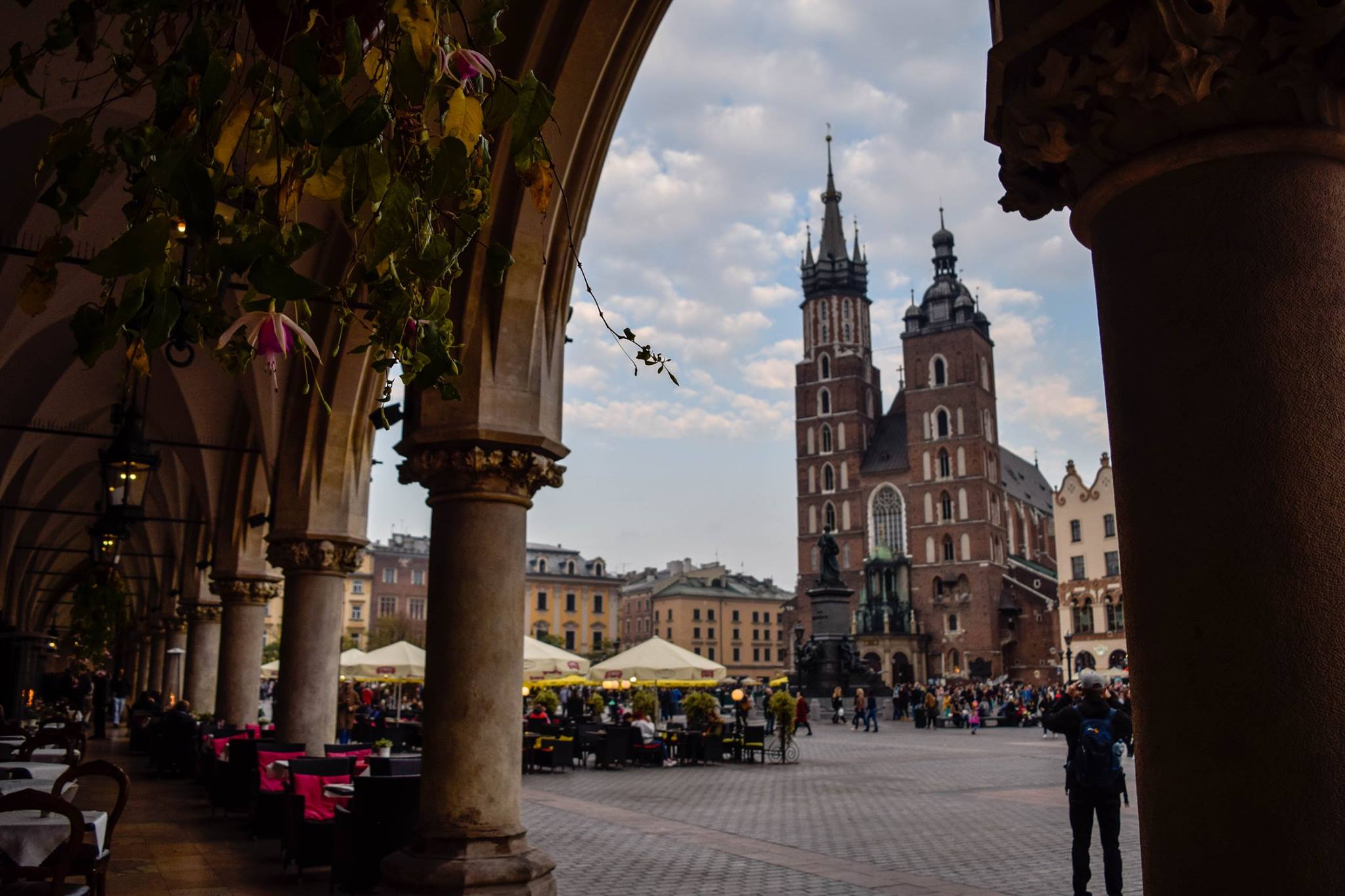
As every charming old European city, the Stare Miasto is a must. Yes, there’s definitely a higher concentration of tourist traps in terms of restaurants and souvenir shops, but that should not deter you from wandering the quaint and colorful streets. One of the best things about Kraków’s Old Town is that it is extremely walkable and has most of the “must-see” cultural sites, meaning you can either have a more relaxing day, stretching your visits of the sites throughout with breaks for some tasty treats or drinks, or hit them up in quick succession pretty efficiently if you’re in a time crunch.
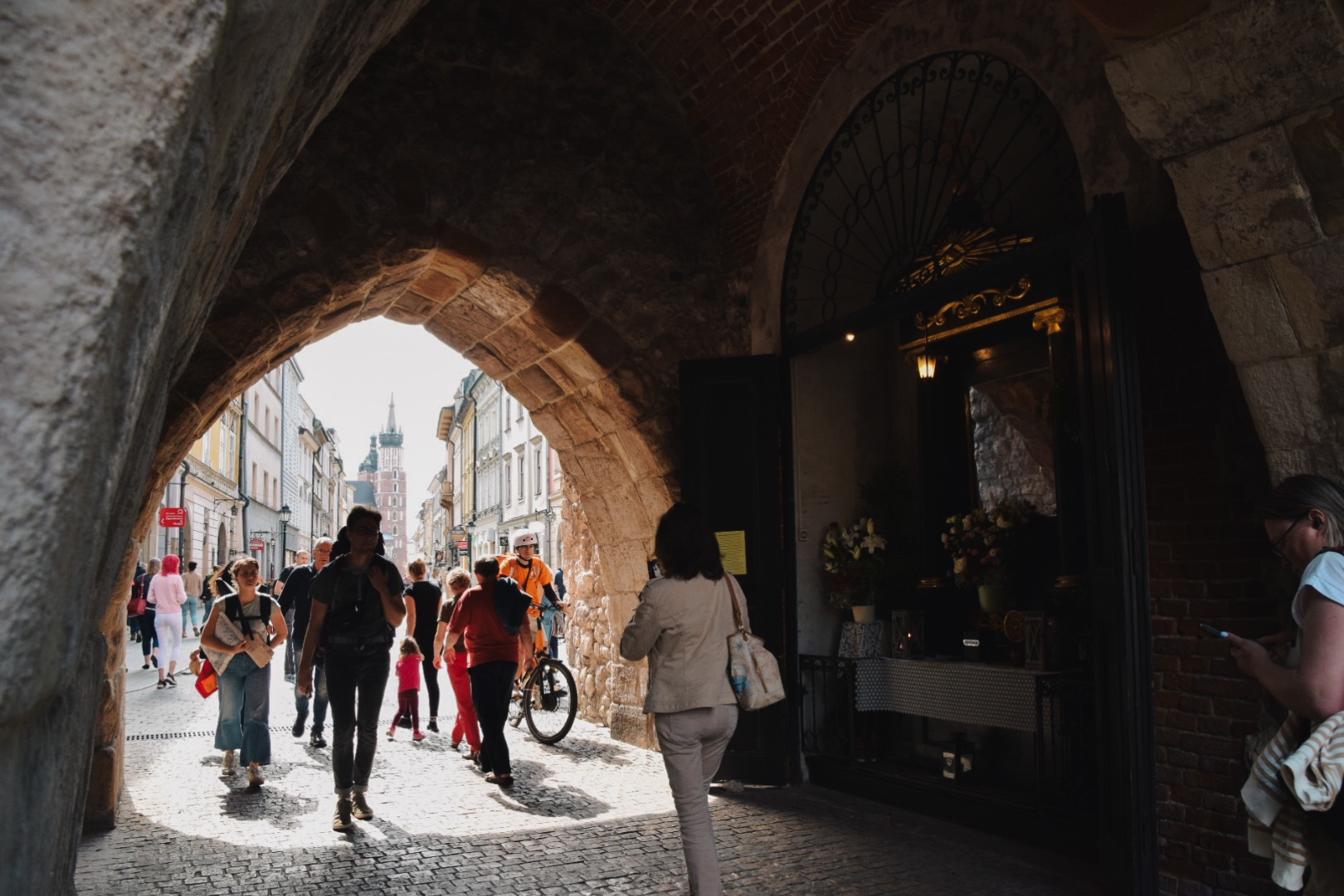
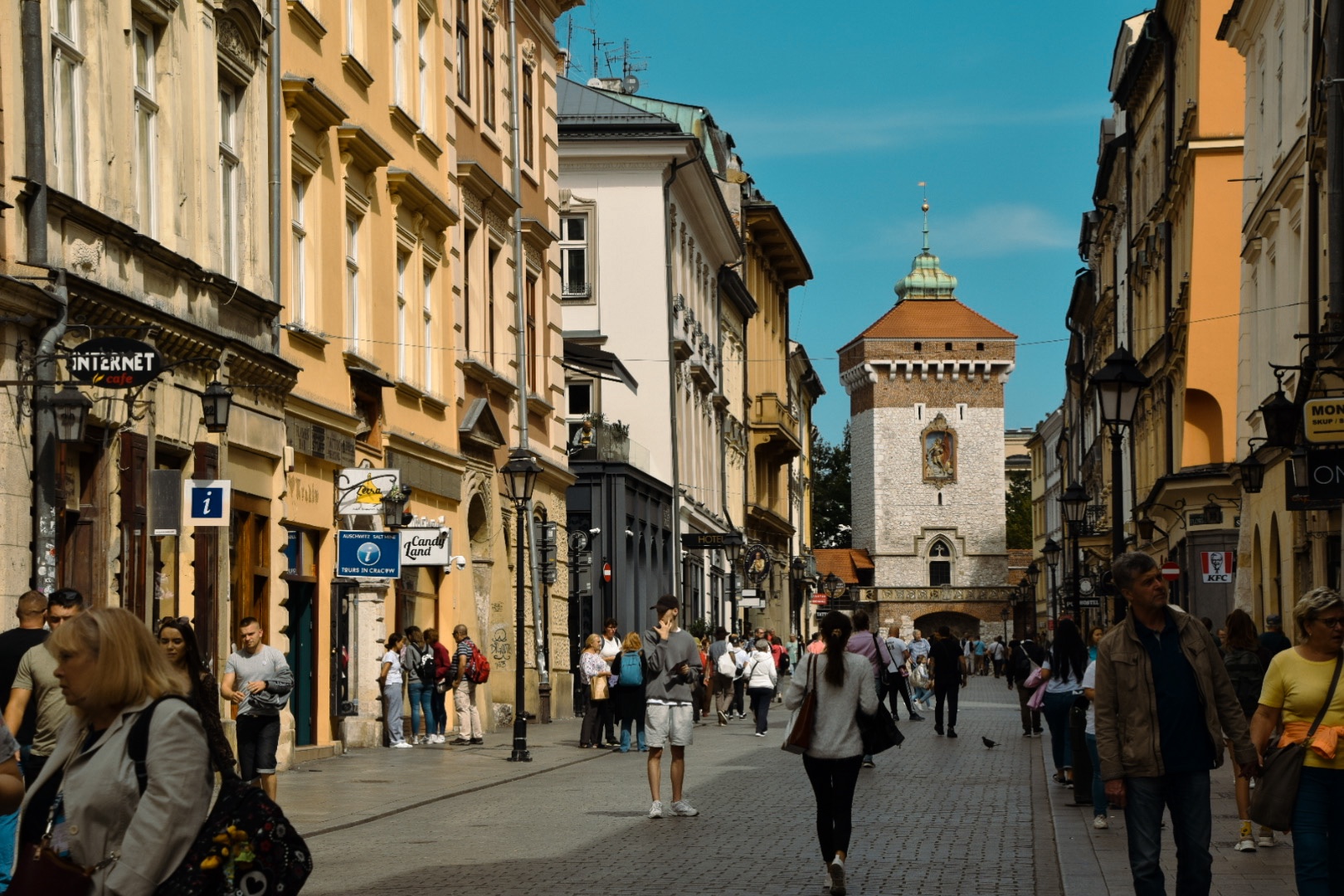
- Szlak Królewski and Brama Florianska (The Royal Route and St. Florian’s Gate): Brama Florianska welcomes tourists and locals alike to the city’s picturesque Old Town. Marking the beginning of the Royal Road to the Wawel, it is the same gate that welcomed kings, queens and princes, foreign envoys and distinguished guests, parades and coronation processions centuries ago.
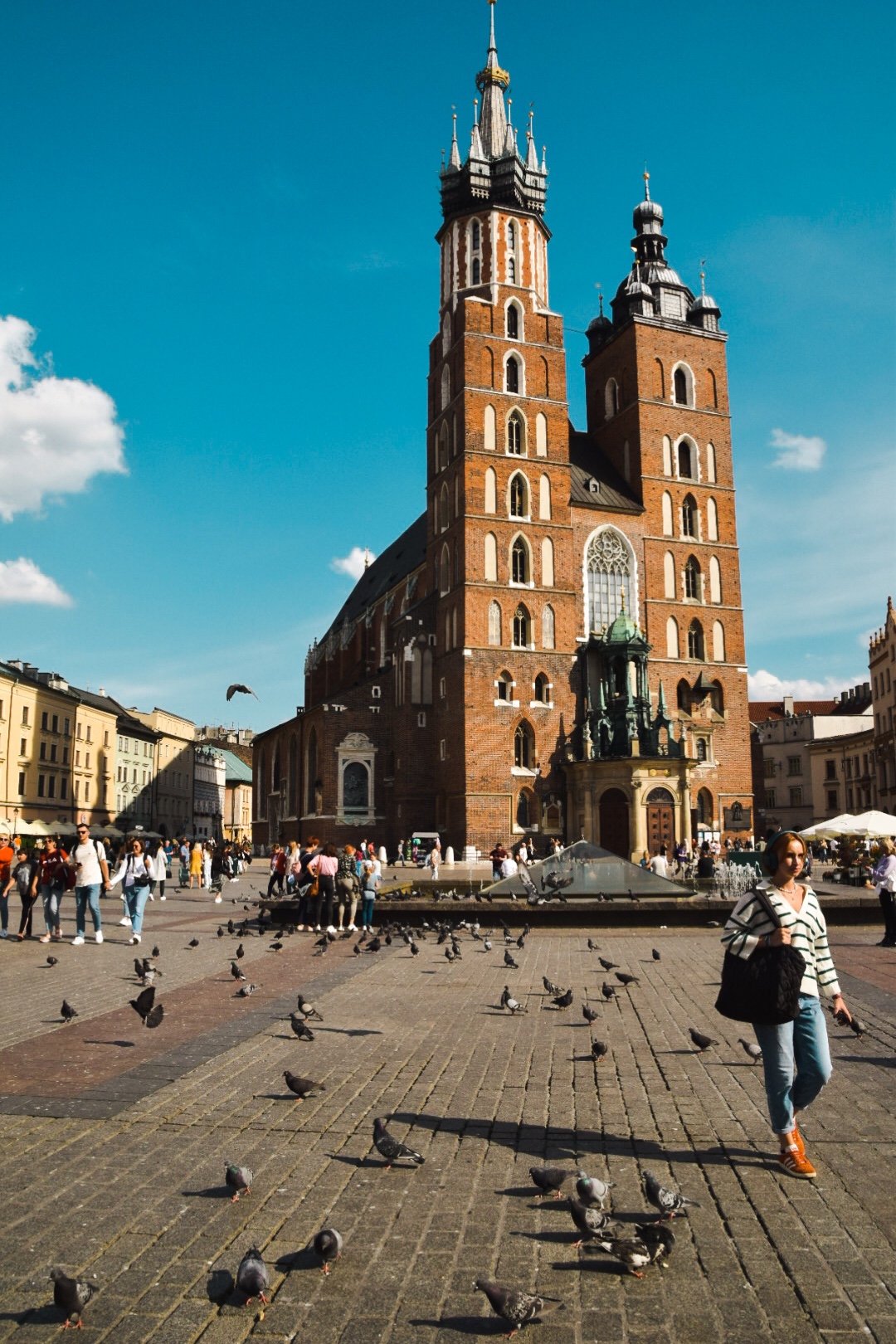
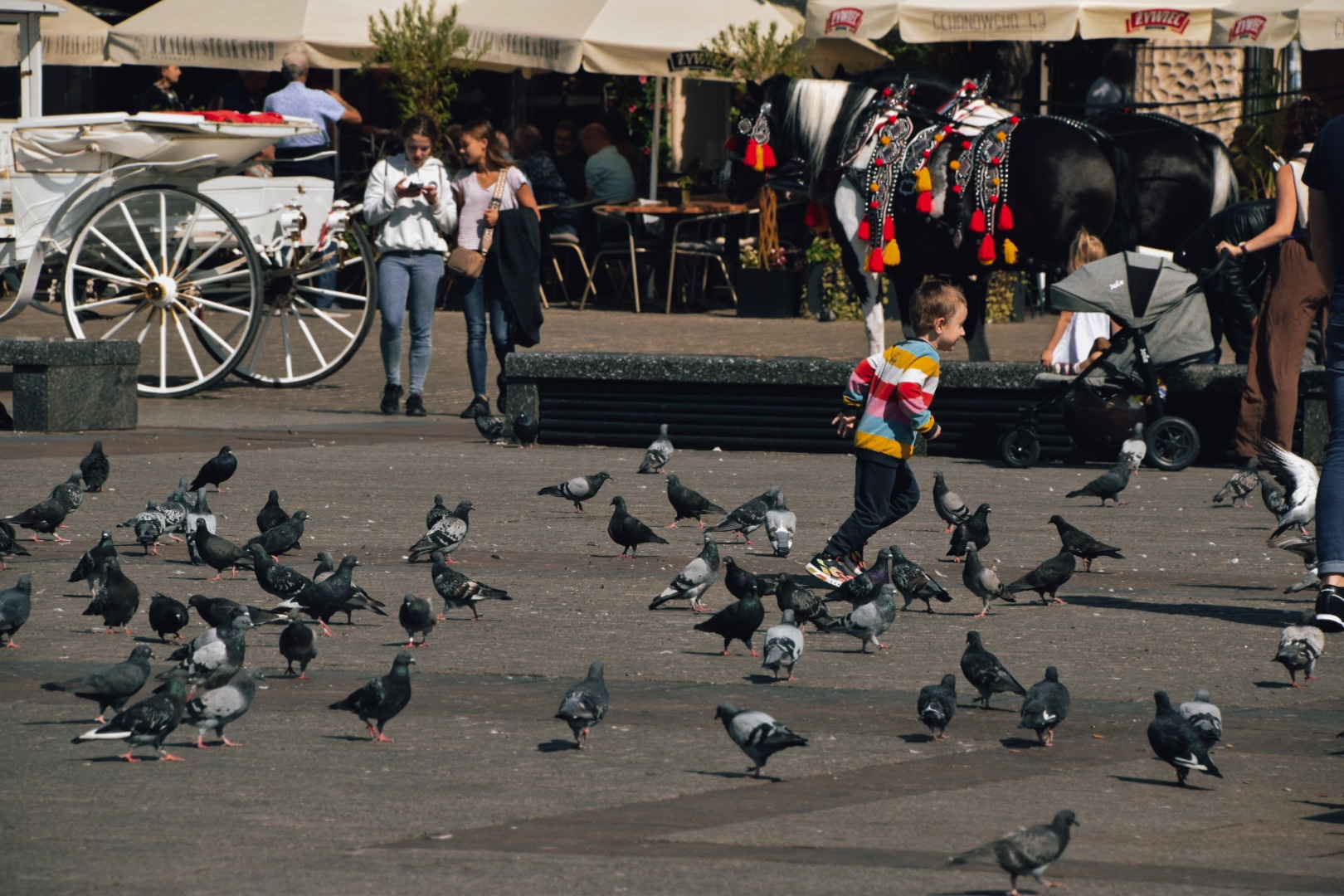
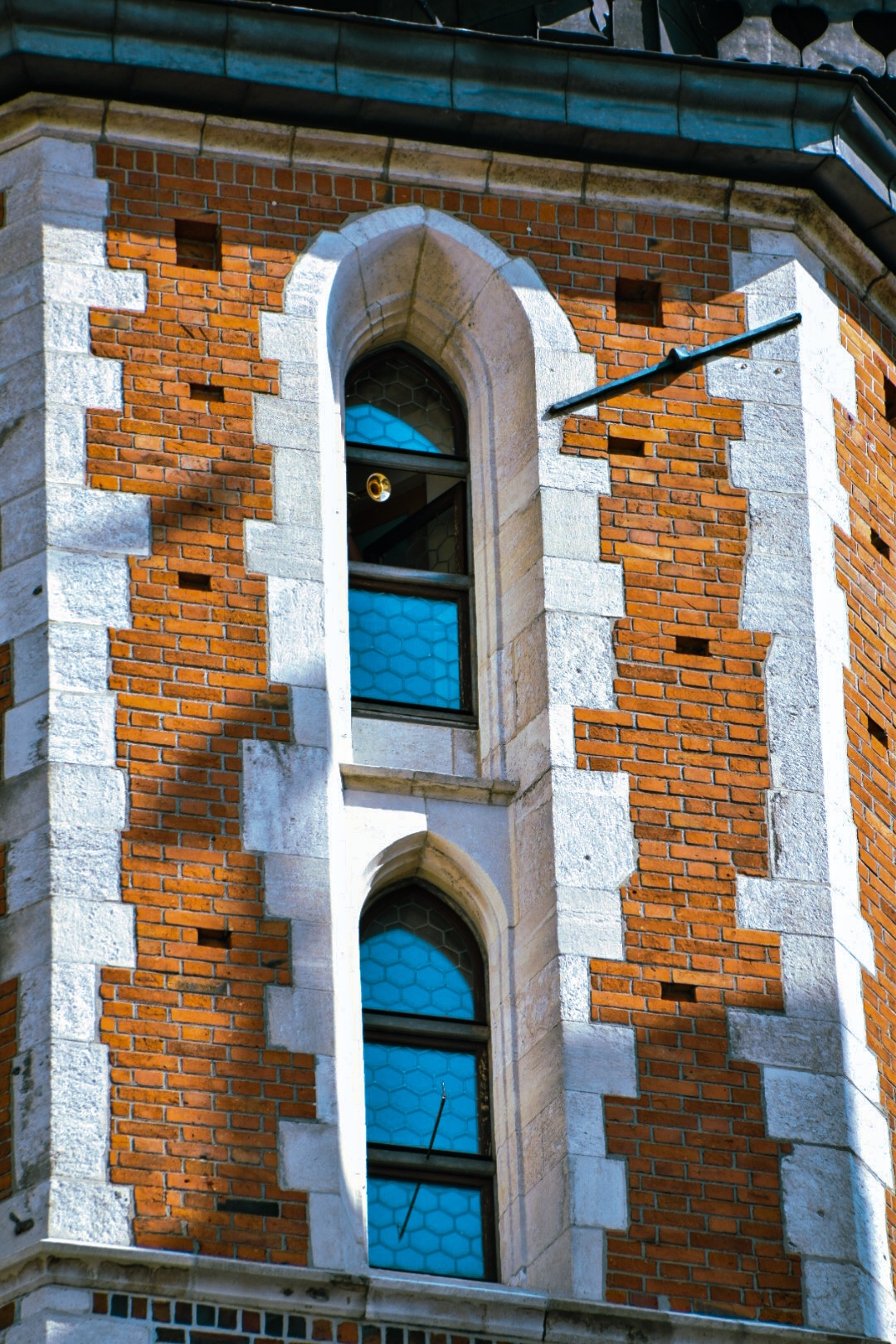
- Rynek Główny (Main Square): As the heart of the city, the Rynek is the largest medieval square in all of Europe. I find it absolutely beautiful in the summer, filled with tourists on walking tours (definitely fit one in for your first trip- it sets you up for success on navigating around the city!), horse carriages, street musicians, locals enjoying some obwarzanki, drinks, or ice cream, and pigeons galore. In the spring and winter months, you’ll find the seasons’ respective Easter and Christmas markets often with stands selling artisanal crafts and fresh street food. Stick around during the hour mark to hear the bell’s toll and the famous Kraków trumpeteer play the “hejnał krakowski” from the bazylika.
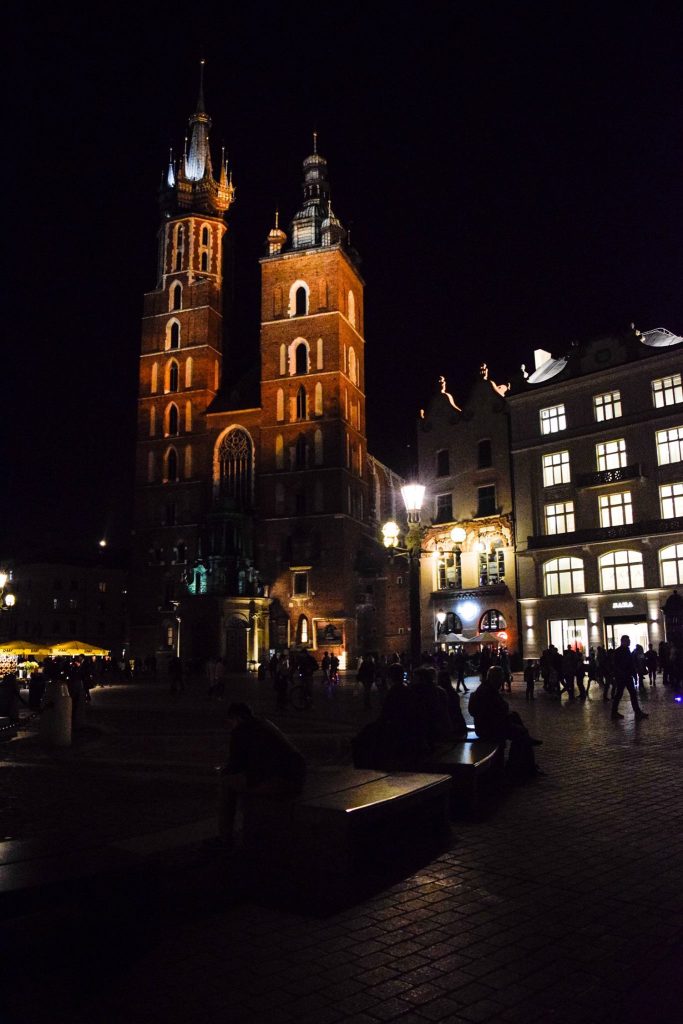
- Kościół Mariacki (St. Mary’s Basilica): Speaking of the basilica, even if you are not Catholic/religious, I would argue it’s worth a look in. The 14th-century, gothic church is the gem of the main square with its stain glass windows and gilded interiors. This UNESCO World Heritage site is particularly famous for its wooden altar made by Wit Stwosz and murals painted by leading historical painter, Jan Matejko. The blue ceilings were especially striking the first time I saw them, reminding me of the blue that Catholics may associate with Jesus’ mother, Mary. If you’re ever in the mood for some contemplation, I’d recommend stopping in- you may be lucky and catch one of the local or visiting choirs singing.
- Sukiennice (the Cloth Hall): It used to be the mecca of all trade in Kraków, and even Poland. It’s very touristy now, but it shouldn’t take you more than half an hour to walk by each stall, see what they’re selling and perhaps barter for a better price (probably won’t work though). In general, Sukiennice would be a good spot to grab some souvenirs, but admittedly they’re basically the same price as everything on Florianska Street.
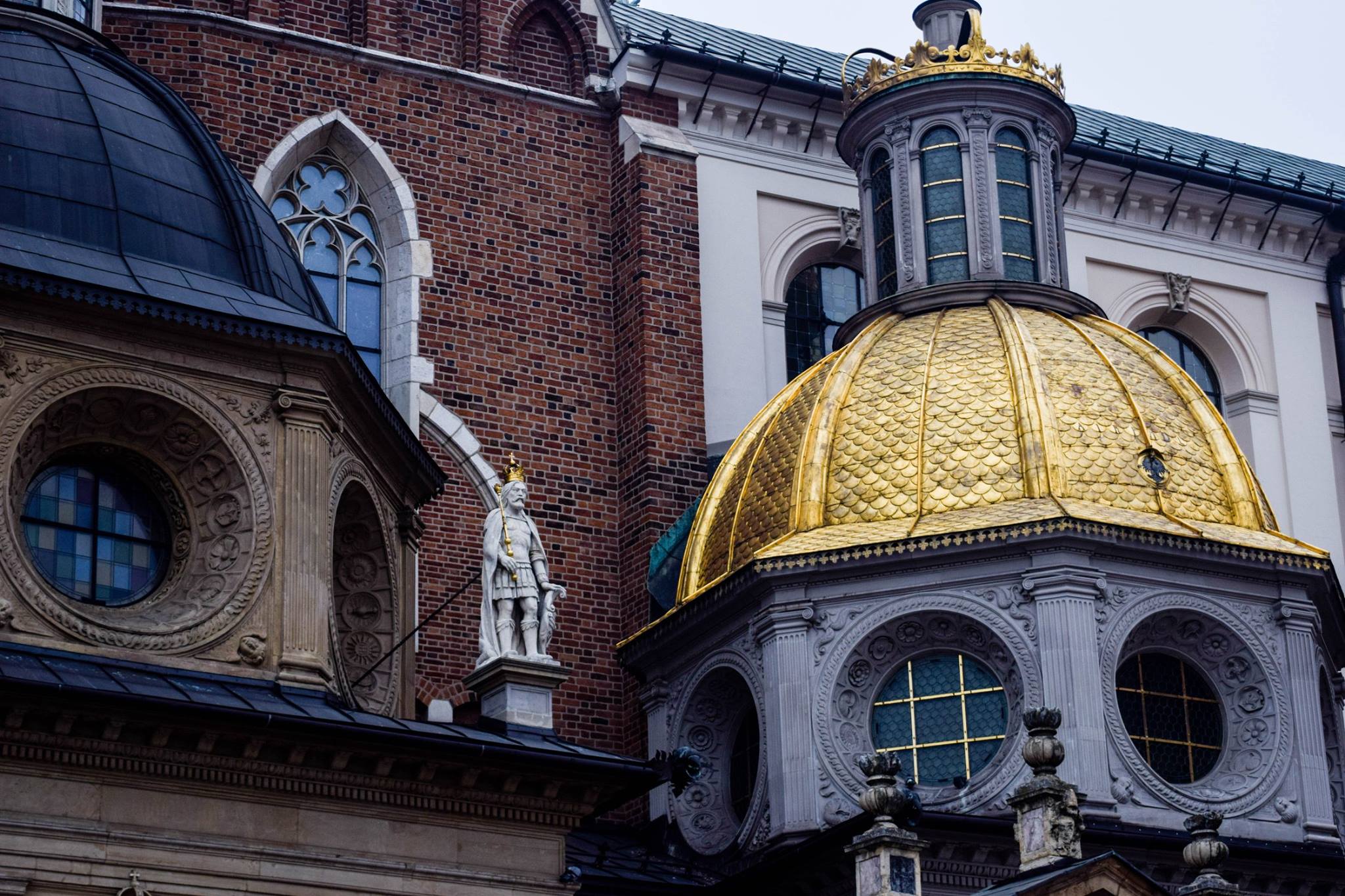
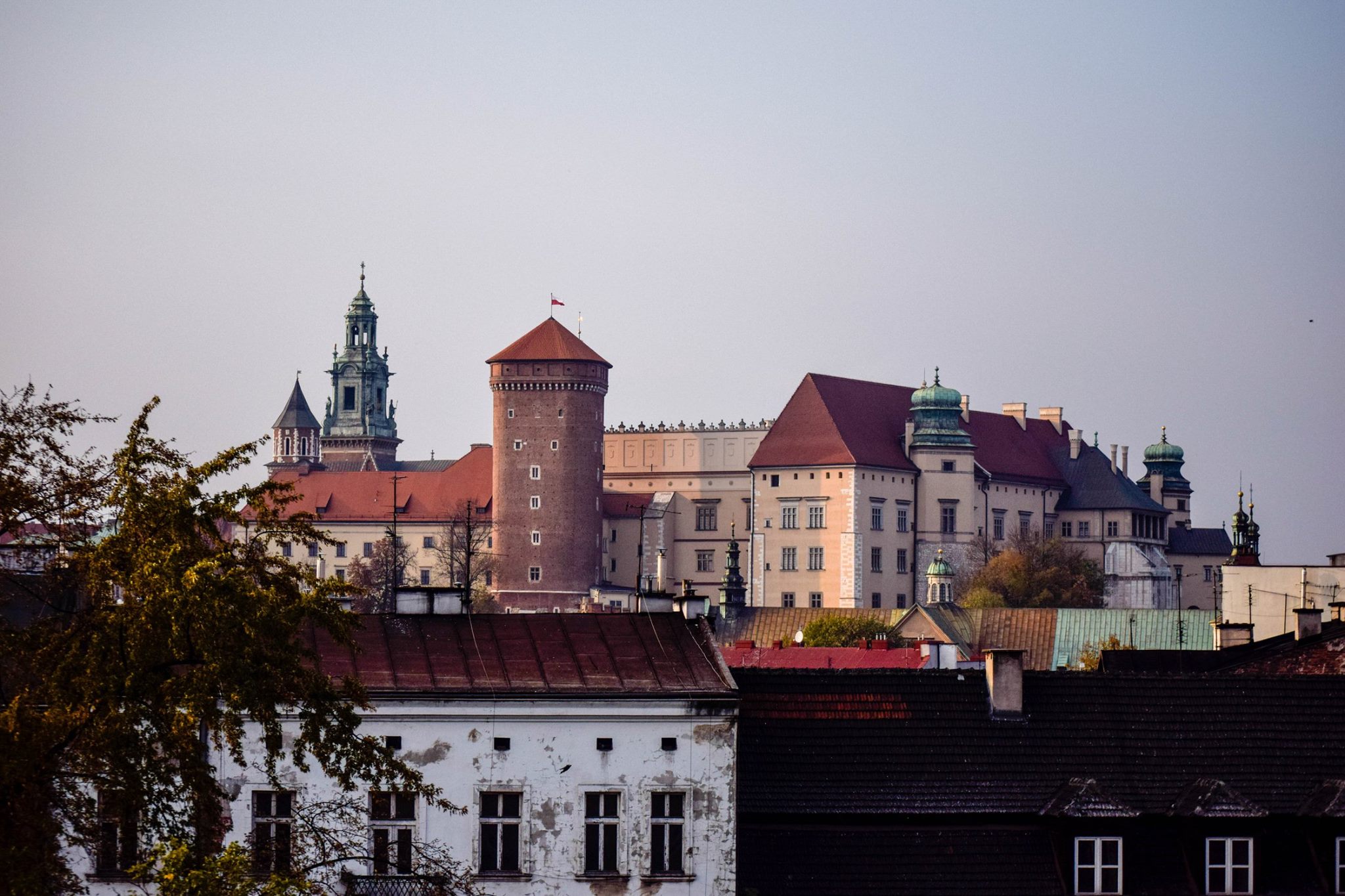
- Zamek Wawelski (Wawel Castle): The Wawel Castle is perched on top of a hill bearing the same name immediately south of the Old Town. It is by far the most important collection of buildings in Poland. A symbol of national pride, hope, self-rule and not least of all fierce patriotism, the Wawel is the crown jewel of Kraków’s architectural treasures and required visiting for Poles and foreigners alike.
Kazimierz (The Jewish Quarter)
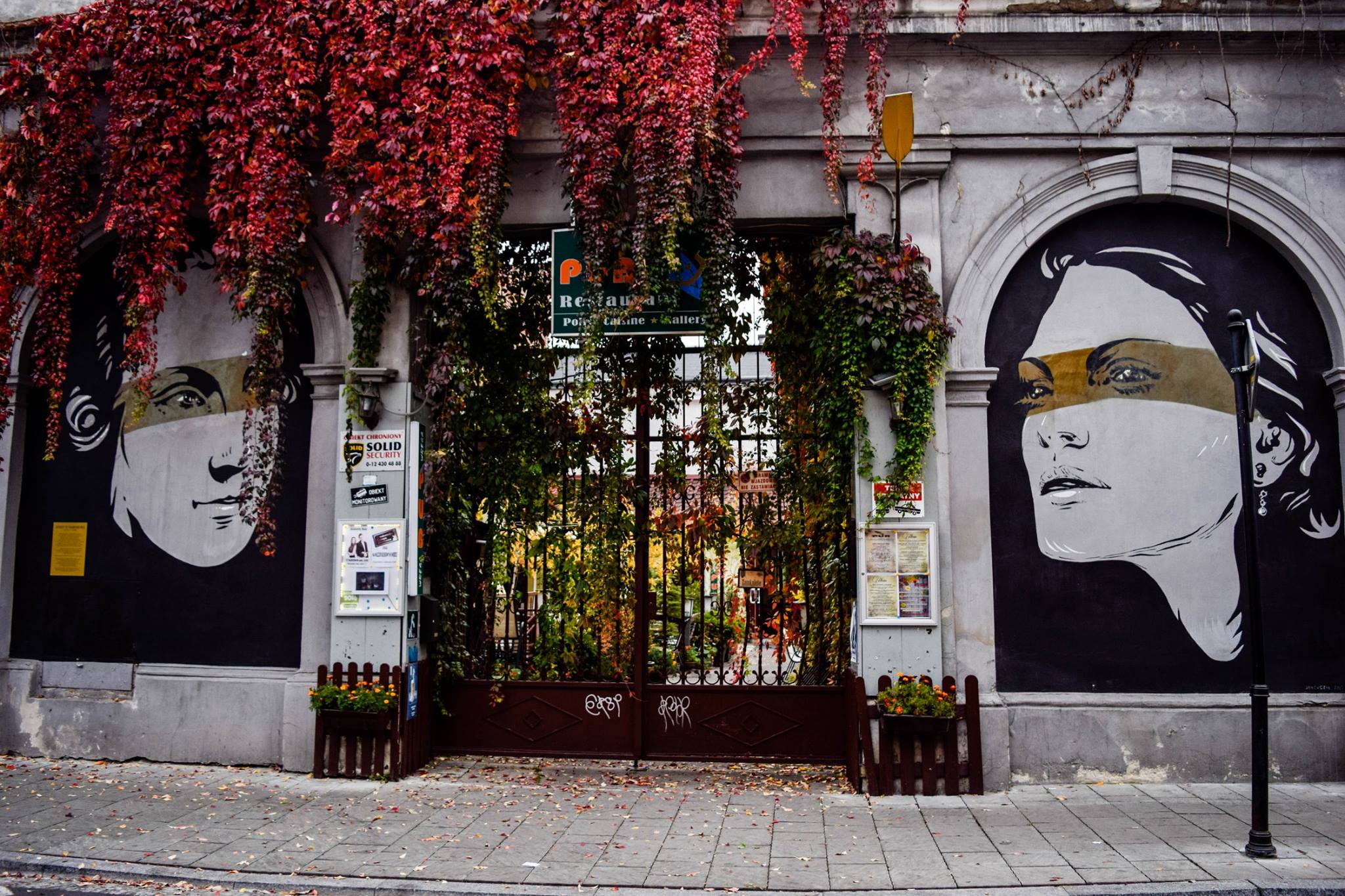
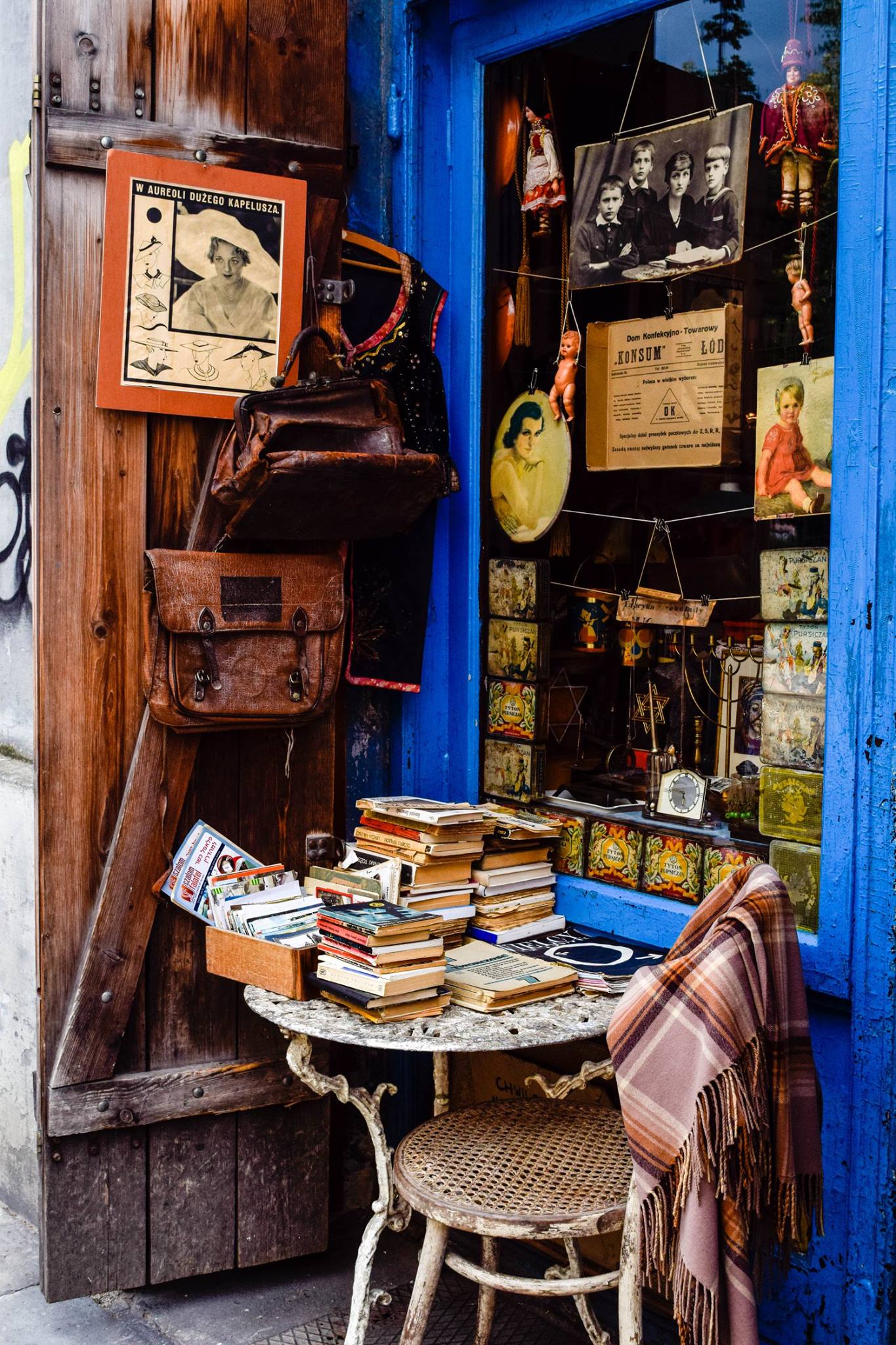
No visit to Kraków would be complete without a stop in Kazimierz. Once the center of Jewish life in Kraków before being systematically destroyed during the Holocaust, this neighborhood has re-emerged as one of the most exciting districts in Poland. Numerous cozy and atmospheric cafes and trendy restaurants, galleries and antique shops, street art, monuments of Jewish culture, and a dynamic nightlife draw tourists and locals alike with a magnetic force. You owe it to yourself to at least try Kraków’s famous street food, a zapiekanka, from the Okrąglak in Plac Nowy (New Square). It’s an incredibly walkable area, so whether on your own or on a free walking tour, it’s very worth dedicating some time to explore this fantastic neighborhood.

It’s a quick list of the essentials, but this is just the Kraków 101-version of what there is to do and see in this charming city. Stay tuned for future posts involving food recs, day trips, and more!

 Ola Wysocki