written for my final directed study of my Master’s program
Intro Initially an answer to what they feared as cultural imperialism from the US and Japan, Hallyu, which translates to “Korean Wave” in English, was a phenomenon originally particular to Asia and it referred to the impacts of South Korean popular culture, specifically music, games, films, fashion, on that region of the world. Nowadays, with the wild success of K-pop artists like BTS (who also were invited to speak at the General Assembly of the United Nations), Netflix’s Korean-language Squid Games, and the Oscar-winning film Parasite; it’s safe to say that the Hallyu has produced a tidal wave on a global scale.
The director and cast of Parasite at the Oscars.
Setting the Scene Initially, someone can see that there are “obvious” disadvantages in terms of permeating Korean culture globally, like the language but also in terms of “cultural visibility,” however, the advantage of Korea’s cultural products result from “its polyvalent culture and their content” (Marinescu 2014).
Popular culture can increase overall attractiveness and potential influence of a nation on a global stage. Think of the British Invasion of the 1960s or the general global influence of American pop culture throughout the decades. Popular culture was once thought of as “low culture” and too emotional in Korea (Kim 2022). It started out as an answer to globalization, what the South Korean government really feared as “the Western and Japanese cultural invasion” (2022). This impetus, this motivation against American and Japanese cultural imperialism propelled the Korean culture industry as a national project to compete within globalization, not necessarily against it. Koreans felt pressure to open its media to foreign markets, but in the end, it seems that this was beneficial.
“Ingredients” of Success Here in the US, the first obvious signs of Hallyu was the unexpected global sensation, beyond regional popularity in Asia: musician Psy and his hit “Gangnam Style.”But, the Korean wave was “originally initiated by the export of TV dramas since the late 1990s,” and it arguably became “more visible” through its intersection with “K-pop music, film, animation, online games, smartphones, fashion, cosmetics, food and lifestyle” (Kim 2022). Hallyu isn’t just a simple flow of Korean culture as an export, it’s multi-directional and arguably a collaborative and interactive process, especially thanks to young, dedicated fan communities. Sociologist John Lie argues that there are three clear factors that have brought K-pop and other parts of Korean popular culture to the forefront (Lee 2015).
It filled the gap of a specific niche: K-pop in particular filled a niche between local, national traditions of pop music in Asia and American pop music, which was often described as “sexualized” and “urban.”
The Korean government had majorly invested in the making of Hallyu. The Korean Wave started from private efforts, but the state played a key role in the development of cultural nationalism. It established the Korea Foundation for International Cultural Exchange (KOFICE) in an effort to orchestrate all endeavors- both state-sanctioned and private- related to the production of Hallyu.
“Different countries around the world are cultivating their cultural industries competitively. They are in an intense competition to take cultural industries as the means to revive the nation’s economy and to step onto the global stage. Korea, too, is focusing on the unlimited potential of its cultural industry and has recognized the cultural industry as a new growth engine. (KOFICE 2008, cited in Nam 2013, 221)”
It had a high production value. K-pop is not about some underground groups or hidden talents that broke big- there was the involvement of million-dollar talent agencies that scouted, trained and prepared idols to successfully take the world by storm. Young talents are recruited while in their teens and go through intense training, involving singing and perfecting synchronized dancing, learning foreign languages (and learning Korean for those recruited outside of Korea). They “are driven by Korea’s Confucian ethics of hard work, endurance, the disciplined body, obedience to higher authority, and affective labor” (Kim 2022). Their shows are polished to perfection and the total package of entertainment is appealing to fans across borders.
Impacts: Economic and Beyond
When confronted with being dominated culturally, the Korean industries appropriated the American media system and in the process, constructed their own cultural spaces to build up their cinema and its media’s global competitiveness. Extensive discussions have taken place about the impact on Korean culture and the world, but the conversation “soon migrated from the initial cultural/media studies approach to the realms of economics, business, science and technology, and tourism” (Lee 2015).
Tech:
Apple may be perceived as smart phone royalty, but according to the first quarter reports of 2022, Samsung was the leading smartphone vendor worldwide, shipping nearly 74 million units, while Apple’s toll reached around 57 million units (O’Dea 2022). With a brand value of over 85.4 billion U.S. dollars, Samsung was the most valuable South Korean brand in 2021 (Jobst 2022). Globally, Samsung produces more smartphones and mobile phones than any other brand, and has a strong presence in the tablet, television and computer components markets (2022). Surprised? You wouldn’t be alone, especially since in its early days, Samsung was recognized for producing cheap consumer electronic alternatives. Consumer perceptions have pivoted throughout the years, “largely due to Samsung’s successful branding and advertising strategy adopted in the 90s. (2022).”
Automotive:
While Teslas and Toyotas still seem to dominate the automotive industry, Hyundai shows no intentions of hitting the brakes. The Hyundai Motor Company marked its steady climb in Interbrand’s Best Global Brands 2021 Rankings, placing 35th overall, up one notch from 2020. According to Interbrand’s comprehensive assessment, Hyundai Motor’s global brand value rose 6.3% year-on-year to $15.2 billion in 2021, its seventh straight year among the top 30-something brands. A robust sales mix of SUV and Genesis luxury models, reduced incentives from a lower level of inventory, and a favorable foreign exchange environment helped lift revenue in the second quarter, despite the slowdown in sales volume amid an adverse economic environment.
Interbrand’s positive appraisal of Hyundai Motor is based on the company’s eco-friendly, future-oriented focus on electrification and smart mobility solutions, and commitment to carbon neutrality by 2045. (Hyundai 2021)
written for my final directed study in my Master’s program
“The electorate was promised that departure from the EU would lead not only to fewer immigrants but to greater prosperity, more welfare spending, less crowded hospitals. Instead, six years after the vote, Britain is less prosperous and more unequal.”
(Applebaum 2022)
Brief Background
While the US was preparing for what was already shaping up to be a polarized presidential election in 2016, the United Kingdom was reeling from the results of a momentous referendum where 52% of adult Britons voted in favor of leaving the European Union (EU). Turnout for the June 2016 referendum was “71.8 percent, with more than 30 million people voting…but there were stark differences across the UK. Northern Ireland voted to remain in the EU, as did Scotland….England and Wales, however, voted in favor of Brexit” (Pruitt 2017).
Boris Johnson’s party promised that a vote to leave was a vote against the status quo, that it was a vote for Britain to “take back control” of the freedoms that were so restricted by the EU’s regulations. Whether it was a vote for economics, or a vote of cultural and identity politics, it’s been a mess ever since. In the wake of the referendum, Britain became one of the worst performing economies in the G7 (Inman 2022), major companies were either moving their operations or deciding to not expand in the U.K., and the British pound dropped by almost 14% (Hunter 2016).
Taking Back Or Losing Control?
“Britain today is a poor and divided country. Parts of London and the southeast of England might be among the wealthiest places on the planet, but swaths of northern England, Wales, Scotland, and Northern Ireland are among Western Europe’s poorest. Barely a decade ago, the average Brit was as wealthy as the average German. Now they are about 15 percent poorer—and 30 percent worse off than the typical American.“
(McTague 2022)
Crushed Free Trade The EU is first and foremost a union of free trade, further assisted by the fact that most member nations (the UK famously not among the euro-currency carrying countries) also use the same currency, the euro. The UK had been a member of the EU since 1973. For any non-member countries, the EU imposes heavy taxes as a way to motivate EU nations to trade with one another, rather than with an outsider. As a country that was now considered an outsider, Britain was now the victim of those intense trade restrictions, which was a threatening thought seeing as the UK massively depended on trade to support their economy.
After three and a half years of long, complicated negotiations, the UK finally left the EU on January 31, 2020, with a 1-year transition period ending on January 1, 2021, from which the EU-UK Trade and Cooperation Agreement (TCA) took effect. The TCA leaves Britain with a “less limiting” agreement than a full on no-deal Brexit would have, but not by much. According to the Financial Times, almost “one in three UK companies” have reported a decline in EU trade, with “small and medium-sized firms [particularly struggling] to navigate new procedures around exporting and importing with the bloc” (Thomas 2021).
The “hassle” of the new bureaucratic paperwork and added taxation has caused smaller, independent businesses to stop selling to the EU overall. Simon Spurell, of Cheshire Cheese Company (a specialist cheesemaker, shared his frustration: “ the government has successfully removed us from the EU as a business, it is no longer commercially viable and our distributors in France, Spain and Germany are not interested in doing business with us because of both the extra cost and the difficulties with the paperwork (Thomas 2021).
Movin’ on Out
There are some companies that began announcing relocations abroad, though some, like Dyson, announced the move had nothing to do with Brexit. However, there are rumblings of a “race to the Netherlands” that are a direct result of the referendum. According to the Netherlands Foreign Investment Agency (NFIA), of the “218 companies who have set up office in the Netherlands due to Brexit since the 2016 referendum, 78 have done so in the past year. The agency says it’s talking to a further 550 companies considering a relocation or an expansion to the Netherlands” (Persio 2021). The most notable moves include Panasonic, which already had moved its headquarters by 2019 because of “tax issues potentially created by Brexit,” and Sony, who didn’t shift personnel from existing UK operations, but directly stated that the “move would help it avoid customs issues tied to” Brexit (BBC 2019).
According to a survey conducted by the Institute of Directors, “nearly a quarter of businesses that trade with the EU have had to relocate some operations or staff” and a quarter of businesses have had difficulty hiring staff from the EU (Thomas 2021). Britain currently has “proportionately more job vacancies than any large EU country” (Milliken 2022). The UK’s departure from the EU halted the free movement of workers throughout the bloc after 2020. For example, British manufacturing firm Corbetts the Galvanizers used to “heavily rely on a stream of workers from Poland and Romania,” the company now has had to attract and keep staff by implementing signing bonuses, higher starting pays, supermarket coupons, and even free fish and chips. According to recruitment website Indeed, sectors like “construction, cleaning and hospitality,” those which relied on migrant workers predominantly from Eastern Europe, “saw the greatest shortages and faster pay rises between 2019 and 2021 (2022).”
To Be Continued…
“The combination of a drawn-out decision to actually leave, followed up by a year-long transition period combined with the existing economic fallout of a global pandemic, made it incredibly hard for individuals, businesses, and even entire governments to plan much beyond the immediate future.”
(Economics Explained 2021)
The unexpected Covid-19 global pandemic has made it difficult to assess what challenges or benefits are being felt as a result of Brexit or which hardships would have been felt anyway as a result of the pandemic. As of July 2022, “51 percent of people in Great Britain thought that it was wrong to leave the European Union, compared with 38 percent who thought it was the right decision” (Statista 2022). The share of people who don’t are not sure whether Brexit was the right or wrong decision has “generally been consistent and usually ranged between 11 and 14 percent” (2022).
written as a reflection for my Global & Multicultural Audiences and Stakeholders course
In my own words, a simplified definition of the word culture is a group of people who share context. This context is made up of language, rituals, shared stories, traditions, values, and life experiences. I can understand why there are several models used to classify cultures to compare them and why they often stay at a national level. Dimensions such as “power distance, individualism vs. collectivism, masculinity/femininity, uncertainty avoidance, long-/short-term orientation, and indulgence vs. restraint” are just some of the categories that the intricate shared context should be able to fall into to better describe them (De Mooij, 2019). But what happens when a culture is made up of people who seemingly cannot fit perfectly into one of those dimensions?
“A Third Culture Kid (TCK) is a person who has spent a significant part of his or her developmental years outside the parents’ culture. The TCK frequently builds relationships to all of the cultures, while not having full ownership in any. Although elements from each culture may be assimilated into the TCK’s life experience, the sense of belonging is in relationship to others of similar background” (Pollock 2017). Before exploring the concept of TCKs, I struggled with the concept of culture, specifically how it worked into my identity, especially because I’ve often found that cultural identity was also (perhaps mistakenly) tied with the question “Where are you from?”
Whenever I’m in Poland, strangers are surprised to learn that I’m from Chicago. I can pass as a ‘native’ Pole because of my ability to speak fluently and my knowledge of history, literature and popular culture. I share that ‘specific context’ with people born and raised in Poland in many ways. However, my relatives and friends in Poland half-joke how I am the only legitimate amerykanka (American), as I am the sole member of the family to be born in the United States. I am not fully Polish in their eyes, and I’ve had this sort of defensive complex about it since then. The conversation does come up sometimes, and I often felt the need to prove myself to be more Polish when I’m in Poland vs. when I’m back in Chicago or elsewhere.
That being said, to my American friends and acquaintances, I am the Polish friend. I’m the friend who has a myriad of “foreign” goodies in my fridge and pantry, who has family in Europe, and who sneaks Polish rap into our shared playlists. While I am an American because of my birthplace, accent and environment, I often joked I have a bit of “horseradish spice” because of my strong connection to my Slavic heritage.
I couldn’t make all of the dimensions of one or the other align and I often felt like I had to choose one or the other to identify myself depending on my audience. It took being in a space removed from both of these spheres to help me recognize that while I identified with “symbols, rituals, heroes, and values” in both of cultures, I’d inadvertently created my own third culture in the process (De Mooij 2019, Pollock 2017). This overlap helped me find universality in an Irish pub in Rome, Italy, of all places.
Allow me to explain: yes, it was an Irish pub where English was spoken, but it was also where the expatriate community of Rome would come together, including some fellow TCKs. This global watering hole was more than a bar, it was a gathering place for people from all walks of life from the United Kingdom, Germany, Spain, the Netherlands, Iran, South Africa, and Turkey and exhibiting various levels of nomadic experiences. In the end, it didn’t matter where we came from. Like them, I wasn’t Roman or Italian, I didn’t feel particularly fully welcomed into the Polish culture my parents were from, and I wasn’t just American, where I grew up: I was accepted as a person with all of these dynamic identities and none of them felt the need to categorize me because of certain dimensions. I wasn’t just the Polish girl, just the amerykanka; I was Ola.
This Ola they knew happened to live in Rome, speak Italian without a heavy American accent because of her Polish lanaguage skills. This Ola had an idea of how to “act European” because of her experiences in familial Poland, but she was also “extroverted, excitable and friendly, like an American.” I didn’t have to be one or the other for this audience, and instead, we created a third-culture of expats in our chosen home in the Eternal City. I have a strong camaraderie with these individuals, and despite being shaped by our diverse life experiences, those differences pale in comparison to our bond of being mutual outsiders that couldn’t find their place in the world- together.
We do know that culture has a significant impact on communication with regards to how we develop, transmit and receive messages. While I think there is a strong argument in saying a global communication strategy can’t possibly exist because of all of the variables multiculturalism and diversity have, I do believe that TCKs can be key to understanding and potentially developing global communication plans, because of their paradoxical identities. Pollock reinforces this, saying “looking at the differences among them — of race, nationality, sponsoring organizations, and place where they….have grown up– you would think TCKs could have little in common… and yet they are a ….reunion of strangers” (Pollock 2017). As the world continues to shrink because of globalization, perhaps communication professionals can learn from TCKs and recreate the universality of finding home.
Works Cited
De Mooij. M. K. (2019). Global marketing and advertising: Understanding cultural paradoxes.
Pollock, D. C., & E., V. R. R. (2017). Third culture kids: the experience of growing up among worlds. Nicholas Brealey Publishing.
written as a reflection for my Global & Multicultural Audiences and Stakeholders course
Globalization seems difficult to define, and yet it’s a buzzword that’s been inundating my coursework since my undergraduate years. I equate the textbook definition of globalization to integration and the interdependence of the world’s politics, economies, and cultures. It’s a result of cross-border trade and the rapid rise and development of technology. That makes it sound simple and almost clinical, but I find it incredible just how pervasive this phenomenon is in our lives.
As we’ve learned from Friedman and Florida, our actions in our part of the world do not end at our borders and vice versa. Because of the web reinforced by globalization, it is almost impossible to be truly isolated from the effects of world events. We’ve all felt this in our everyday lives, especially last year with a new virus appearing in seemingly-distant China or even something as bizarre as the Ever Given (the gift that kept on giving on Twitter) container ship becoming stuck in the Suez Canal (Shackelford, 2021). While those could be considered major events, globalization does not always have an immediate or serious magnitude.
My mind wanders to my family’s hometown, Augustów. Poland overall is somewhat regarded as a success story, at least economically, among the former Soviet-bloc countries. It did well after officially doing away with communism in 1989, and “while the rest of Europe fell into recession following the start of the global crisis in 2008, Poland kept growing” (Cienski, 2019). Augustów, however, is a bit of a different story. It is in the less-industrialized Podlaskie region, not too far from the borders of Belarus, Lithuania, and the Kaliningrad exclave. While the popular resort town, surrounded by lakes and forests, boasts around 30,000 residents, it can often feel like a village, especially in mentality and in terms of economic development. The day Augustów opened up its first and only McDonald’s in 2019, my relatives joked that we may become a destination in the world just yet.
Reading Wojtczak’s article specifically, I thought of the experience of watching foreign television shows while in Poland. There have been many examples throughout the years, but the most recent that stands out in my mind are my older female relatives and their love for soap operas, especially Turkish ones. The canon of Polish telenovelas is already well-established and many series have incredibly long runs, but lately, Turkish soaps have dominated Polish public television, so much so that my babcia (grandmother) and ciocia (aunt) unceremoniously kicked me out of our small living room from an afternoon international soccer friendly match to watch an episode of Elif.
I didn’t find myself baffled about their fervor, as I’d been used to sacrificing the screen to many a soap, including a dubbed version of The Bold and the Beautiful; what took me by surprise was seeing them so interested in a Turkish production. It had puzzled me, and almost seemed hypocritical, just given the anti-immigrant and anti-Islamic rhetoric from the far-right ruling Law and Justice party, which many folks from rural regions align themselves with. As a reference, a study was done regarding the attitude of Poles towards refugees from the 2015 crisis in Europe and there was a striking opposition for entry of refugees, specifically from the Middle East and Africa and the sentiment has not changed drastically since (Dudzińska, Kotnarowski 2019). From personal experience, I know people who joked about the McDonald’s opening that balked at the opening of doner kebab shops in our town because the owners were Arab (although I will note, younger generations of Poles enjoy the food especially in the early hours of the mornings).
These brief notes oversimplify the situation, but the hypocritical cultural paradox does reveal “complex and hidden ongoing cultural processes” as Wojtczak discusses (Wojtczak, 2020). Poles don’t view the shows as an invasion of Turkish or Arabic culture; instead, they enjoy the shows because of the handsome cast, the intrigue, the costumes (if the show is a period piece), and the way they conservatively approach romance, rather than show nudity or wild sex scenes. Despite many liberal changes that came with the fall of communism, the people in power in Poland are strong proponents of Catholic, conservative values. Something that Wojtczak iterates is that culture is dynamic (Wojtczak, 2020). This reading and my reflections on my own experiences had me thinking- does culture change because of globalization, or is globalization propelled by shifts within a culture? Perhaps even something as seemingly inconsequential as a soap opera may make closed-minded Poles think twice in the future… it may just need a bit more time. Tune in sometime in the future.
Shackelford, E. (2021, April 9). What a stranded container ship showed us about globalization. Chicago Tribune, Section 1, p. 19.Wojtczak, R. & Venter, B. (2020). Understanding globalization through cultural paradoxes: Chinese youth and “2 Broke Girls.” China Media Research, 16(1), 18-29.
written as an assignment for my Special Topics; Ethics in Advertising course
The following work looks at six different organizations’ websites which involve pages and statements dedicated to their missions in regards to social justice and areas of social awareness.
Loyola University Chicago The first organization I chose was my alma mater and current place of employment, Loyola University Chicago (LUC). Loyola is a private, Jesuit, Catholic university, so it would be categorized as a higher education institution. Its “headquarters” would be the main campus, the Lake Shore Campus, located at the border of the Edgewater and Rogers Park neighborhoods on the Far North Side of Chicago. This statement was found on the university’s website, specifically on the About page of a section titled, “Diversity, Equity, and Inclusion.” The statement is not dated specifically. Some highlights of the copy (full statement available at the link above) are as follow:
“Our Shared Commitment”
“… fosters transformative cultural experience that honors diversity and social justice”
“… Jesuit Catholic heritage is founded in equality”
“… commitment to diversity comes from Ignatius himself and the belief that God is to be found in the “other”- in the person, the place, the culture, the context and the human experience that differs from one’s own”
“… principle embraces inclusivity, mutual respect, inherent freedoms, and the dignity of giving each perspective a voice”
“…ambassadors of change”
“…our social responsibility in challenging times”
“Our end goal… is not simply a representation of the beauty of “otherness,” of diversity”
“…commitment to inclusion”
The values addressed in this statement feature prominently in these highlights, and they include Jesuit ideals surrounding social justice and social awareness, inclusivity, respect, dignity and unity. The statement obviously addresses diversity and that it enhances the university’s atmosphere, emphasizing that “each member of our student, faculty, and staff community brings their own unique perspectives, strengths, and critical inquiries to serve our mission.” It does however, directly address race, gender, or sex. It also does not add any specific mentions to other areas of social awareness, such as the environment, but I believe this is because (at least in the case of sustainability/climate matters) Loyola has a dedicated school (The School of Environmental Sustainability) for this particular matter and has particular initiatives and commitments regarding this.
Generally, and I recognize my bias as an undergraduate alumna and current staff and graduate student, I believe Loyola does try to both promote social justice and raise social awareness through its academics, programs, and opportunities presented to students, faculty and staff throughout all of its campuses. I think this statement leans in heavily on how natural the connection between Jesuit/Catholic values are with regards to the social justice aspect of diversity. It has a tone that is a matter of fact, but not condescending or holier-than-thou, more so letting the audience know that “these are things that are naturally aligning with our overall mission and identity.”
Looking at one of the most recent marketing campaigns, pre-pandemic, there were several ads throughout the Chicagoland area featuring Loyola students with the slogan “We Are Called to ______,” either “Solve, Venture, Protect, Redefine, Activate or Advocate.” The ad included portraits of a multicultural group of students, 3 male representations and 3 female representations. Each ad would feature one of these students with one of the aforementioned attributes, looking towards wherever the source of the dramatic lighting behind the camera was, thus making them seem inquisitive.
There is a wide variety of resources and initiatives on campus: diversity committees, themes of diversity embedded in the core curriculum and major-related courses, the Department of Student Diversity and Multicultural Affairs (SDMA) which promotes multicultural education as well as affinity peer groups and mentorship programs for underrepresented students, just to name a few. There is now an Office for Diversity and Inclusion and looking at its site, it shares annual diversity reports. As of 2019, it shows that collective practices university-wide have “increased University composition to 37.7%.” While it’s not a huge jump, I do believe it is a start and I believe the university recognizes that there’s still work to do, saying that it recognizes it must continue to create and foster diversity efforts
Apple Apple is an American, multinational company in the technology industry that specializes in electronics and online services. Based in Cupertino, California, not too far from San Jose, it is the world’s largest tech company, and arguably one of the most valuable public corporations in the world. They specialize in products such as phones, tablets, computers, smart TVs, watches and a variety of software. It has a high level of brand loyalty, with about 1.65 billion Apple products in use worldwide (Clover, 2021). This statement was found when I scrolled towards the bottom of the main page of Apple’s website, under a section titled, Apple Values- Inclusion and Diversity.” Some of the highlights include:
“We’re All In”
“Commitment to making our company more inclusive and the world more just. Where every great idea can be heard. And everybody belongs.”
“… becoming a better reflection of the world we live in”
“…. and there’s a lot in the works. And much more to do.”
“Inclusion and diversity are cornerstones of the global Apple community. We’re proud of the foundation we’ve built, and we’re clear-eyed about the challenges that remain. Together, we’re committed to continuing this journey with humility and resolve.”– Barbara Whye, VP of Inclusion and Diversity
From the web page highlighting this general approach to Diversity and Inclusion, it shows that Apple values community, inclusivity, representation, being true/authentic, and individuality. While not explicitly mentioned in the general copy, there seems to be a comprehensive look at diversity, looking at gender, sex, race, and ethnicity, when looking throughout the webpage, specifically the statistics that are included. Additionally, the page mentions initiatives for enduring change in research and development, including those regarding “cyber threats, hiring practices, pay equity, allyship, racial representation and female representation.”
While no organization is perfect, Apple seems to put in a genuine effort in terms of both talking the talk and walking the walk, however, this is definitely debatable. Although the numbers regarding diversity at Apple are showing positive progression, the company still has a majority of its employees identifying as both white and male. The Verge also came out with an article about workplace issues, a leak to the public about the “discrepancy between problems and Apple’s ‘carefully managed public image and commitment to diversity” (Schiffer, 2021). Even if gossip or tabloid rumors, it does not instill a lot of confidence in the authenticity they seem to value.
Additionally, Apple has been in hot-water in the past for its sweatshop labor and overall difficult working conditions, most notably leading to employee suicides in Asia. I think while this statement is well-intentioned and does have legitimate small successes regarding “progress” to share, being highly valued (both monetarily and by its loyal consumers), Apple could invest and act more tangibly at a quicker pace than many other organizations.
Starbucks Starbucks is a global, public corporation, consisting of a multinational chain of coffeehouses and its special roastery reserves. It is headquartered in Seattle, Washington, where it was founded in 1971 but has retail locations in over 80 countries around the world. Starbucks specializes in coffee drinks, teas, baked goods, and coffee ware. It is currently ranked 125th on the annual Fortune 500 list. This statement regarding diversity was found in its Starbucks’ Stories and News posts, dated October 2020. The following highlights are from this particular post:
“Our commitment to Inclusion, Diversity, and Equity at Starbucks”
“We are on a journey to advance racial and social equity for our partners (employees), our community, and our society”
“We set out to be a different company”
“… bold actions that we must take as our journey continues, to act with intention, transparency, and accountability”
“… it is grounded in our mission to inspire and nurture the human spirit. It is our responsibility and it is our commitment.”
The post demonstrates Starbucks’ values for its community, which includes transparency, accountability, intentionality and inclusivity. Its tone is inspirational, but simultaneously seems humble and down-to-earth. Diversity is explicitly named, with mentions of social and racial equity, Starbucks’ BIPOC mentorship programs, Black Partner Network, and other organizations. They have a separate section on their website for environmental causes, and past posts in the News section celebrate Pride Month/the LGBTQIA+ community, disability awareness, equitable access to food, allyship, and access to education, to name a few. Overall, they, at least in words, have a pretty good sense of the value of corporate social responsibility (CSR).
That being said, Starbucks has had notable racial bias and discrimination issues in the past, including the Race Together Campaign that faced a lot of backlash, the 2018 incident in Philadelphia where two Black men were handcuffed and arrested by Philadelphia Police after an employee called them, and most recently, employees were told they were not allowed to show visible support for or wear Black Lives Matter (BLM) gear at work (Beer, 2020). These three incidents and their impacts are interesting. The reason Starbucks received so much backlash for that Race Together campaign, where employees were given the option of writing “Race Together” on customers’ coffee cups to help initiate conversation amid racial high racial tensions in the US, because a majority of consumers said the company was “overstepping its boundaries with a campaign on sensitive cultural topics that had no place in the coffee shop’s lines” (Bartlein, 2015), which may be what informed their initial decision on not letting employees don BLM-gear in 2020. The Philadelphia incident, on the other hand, prompted Starbucks nation-wide to close their doors and provide racial-bias training (designed by nationally recognized experts) for its nearly 175,000 U.S. employees (Neuman, 2018).
American Eagle Outfitters/Aerie American Eagle Outfitters (AEO) is an American clothing and accessories retailer brand, headquartered in Pittsburgh, Pennsylvania. The public company mainly focuses on athleisure, lingerie, university-themed wear, as well as sleepwear. It has over 1300 stores worldwide and it mainly targets teenagers and college students. This section was found on the Inclusion + Diversity web page on AEO’s website. Highlights from the copy include:
Inclusion + Diversity
“AEO celebrates the diversity of one through the inclusion of many. AEO Inc. and the AE and Aerie brands are a reflection of all of our stakeholders—different ages, abilities, genders, cultures, sexual orientations and identities, and races.”
“Creating an environment where everyone feels respected and empowered is more than just a statement, it is an expectation and part of our core values. We are committed to driving Inclusion & Diversity efforts through three key working groups: hiring, culture and development.”
With these particular quotes in mind, it is clear that AEO’s values are inclusive, social justice-oriented, equal and promote education. Their page explores diversity in terms of ages, abilities, genders, cultures, sexual orientations and identities, and races. They support this by boasting about their mentorship programs and their latest initiative encouraging associates to get the COVID-19 vaccination through education and outreach.
The site reports that between 2018-2020, there was an increase of 40% in persons of color (POC) representation for the American Eagle brand and that in 2020 particularly, 65% of the talent identified as POC. In terms of their workforce, in the United States, about 41% of their retail workers identified as persons of color, while 78% were women, however when looking at their corporate counterparts, an overwhelming 82% identified as white. However, they are not very transparent with their environmental policies and working conditions, which has caused skepticism in the past. Ultimately, on the surface, AEO is considered a fast fashion entity. Not being environmentally friendly, adding to the sustainability issues plaguing, can inadvertently affect communities in need and underrepresented minorities because they are the ones being disproportionately affected by the rising issues brought about by climate change. It sounds like a slippery slope argument, but for a popular brand that seems to be reaching for the gen-z population, it seems short-sighted not to make effective initiatives towards sustainability.
Netflix Netflix is a public, international production company, specializing in film production, streaming, and film and television distribution. It is headquartered in Los Gatos (part of Silicon Valley), California. With a few exceptions (i.e. mainland China, North Korea, Syria) its contents are available worldwide, coming from both in-house productions and several film and television archive libraries. It currently has over 207 billion subscribers (Stoll, 2021). The following post was on the company’s news page. It includes a statement from Co-CEO and Chief Content Officer, Ted Sarandos and is dated February 2021. Some highlights include:
“Building a Legacy of Inclusion: Results From Our First Film and Series Diversity Study”
“…. we aspired to tell stories that weren’t available elsewhere. Not only in terms of variety we offered, but also the people and cultures we brought to the screen.”
“… we continued to push boundaries — celebrating firsts with talent from traditionally underrepresented communities”
“…. stories… resonated with audiences who rarely saw themselves on screen. We thought we were making progress… but were we really, and was it enough?”
“We are outpacing the industry in hiring women and women of color to direct our films, and women creators to bring our series to life, and we have achieved gender equality in leading roles across our films and series. We have also exceeded proportional representation of Black leads, co-leads and main cast across the two years that were examined.”
“We still have notable representation gaps in film and series for Latinx, Middle Eastern/North African, American Indian/Alaskan Native, and Native Hawaiian/Pacific Islander communities. And we still have work to do in increasing representation of the LGBTQ community and characters with disabilities.”
“Doing better means establishing even more opportunities for people from underrepresented communities to have their voices heard, and purposefully closing capacity and skill gaps with training programs where they are needed. So we are excited today to announce the creation of the Netflix Fund for Creative Equity.”
“And by better understanding how we are doing, we hope to stimulate change not just at Netflix but across our industry more broadly. “
This by far is probably my favorite posts and statements about diversity and inclusion for several reasons. First and foremost, whether this is the truth or not, by Netflix asking themselves if what they were doing was effective and enough- it puts the onus of improvement on them. They saw the need, they recognized where it fails in terms of lacking in diversity. That sounds a lot more proactive rather than reacting to it. Secondly, they take the take to actually list the different groups of diversity, giving them a name, a space. To be inclusive, even if it seems counterintuitive to single them out, you have to recognize the individual groups. It gives them a sense of importance.
The values seem similar to the organizations previously mentioned, such as inclusivity, improvement, equity and transparency, however, I feel like innovation and creativity are something specific to Netflix. Perhaps that is due to the nature of the entertainment industry they find themselves in, or the innate affinity for storytelling that humans have, but it works well for them. It has specific mentions of racial diversity, the LGBTQIA+ community, female representation and equity, as well as those in the disabled community. While it has tangible, financial initiatives (such as the Netflix Fund for Creative Equity) Netflix has had its criticisms. It was specifically criticized back in 2011 regarding accessibility to captioning for its disabled consumers and as its most recent study shows, while its strengths in diversity lie within the number of females represented cross-company, “other racial and ethnic groups were underrepresented relative to the U.S. population,” along with the LGBTQIA + and disability communities (Boorstin, 2021).
UEFA The Union of European Football Associations (UEFA) is an athletic organization and the governing body of football (soccer) in Europe. It includes all of the representatives of national football teams and club leagues of Europe, as well as their respective competitions and technically falls under the jurisdiction of their “parent company,” the Fédération Internationale de Football Association (FIFA). Though founded in Basel, it is currently headquartered in Nyon, Switzerland. Their sponsors depend on whether it is a national competition or a UEFA Champions League competition, however, to name a few, they include FedEx, Gazprom, Volkswagen, PepsiCo, Heineken, Mastercard and Lay’s. This diversity commitment was found on their website, under a section titled Football and Social Responsibility. Some highlights include:
“Football and Social Responsibility” (FSR)
“Creating positive social impact through football”
“…. core business while contributing to sustainable development in society”
“Positioned under the pillar of Respect, UEFA’s approach to FSR is continuously evolving; aiming to extend and develop social responsibility within UEFA and with national responsibility”
It’s clear from this webpage that UEFA recognizes its audiences and stakeholders, and that a CSR (or FSR in this case) that celebrates multiculturalism is necessary. With this statement, one can surmise that UEFA values inclusivity, solidarity, sustainability and overall, being a member of a greater community. It encourages an inclusive culture, embracing differences within ethnicity, age, gender, religion, sexual orientation, culture, national origin, income, and ability. These different levels of diversity are talked about throughout the different points, even beyond the initial “Diversity and Inclusion,” but also how it affects their work with the environment, health and wellbeing, peace and reconciliation, solidarity, human rights, child safeguarding, and also their relationships with their fans and supporters.
It is probably the most comprehensive and probably most formal statement of all of the organizations analyzed here and part of that also comes down to the culture of Europe as a continental community, but also being under the umbrella of the global FIFA. It’s a huge platform and some of their players are the most famous people in the world, so it makes sense that they try and touch on important social causes, but at the same time, it feels like it’d be difficult to manage authentic and genuine action with these idealistic and lofty goals.
While they do cover a lot of bases, I think that UEFA does show its true colors in moments like the last Euro Cup that concluded about a month ago. To summarize, the English football team lost to the Italians in the final in the penalty kick round. Of the players that went up to kick, three missed their penalty, losing the Cup for England. All three players who missed were Black and faced a backlash of racist abuse (mostly through social media) from British fans (Sullivan, 2021). Many have condemned it, but the only reason the Football Association (of England) is being investigated by UEFA, is because of security breaches on the day of the final at Wembley Stadium where the match was being held (Klosok, 2021). There was no official statement on the racist remarks on the part of UEFA.
Reflection Reading all of these commitments and pledges reflecting various levels of diversity, I feel conflicted. On the one hand, I can’t help but feel jaded. Companies/organizations and their brands know that nowadays, their consumers demand more from them than just a product or service. Consumers want the organizations and brands they associate with to stand for something. Why is that? We want the things we associate with to be good, positive forces in the world, for the most part, because I think inherently, people feel that these traits help them identify themselves. People want to consume in a way that reflects their values, but how can you tell if an organization is genuinely interested in bettering the world or if they’re just interested in gaining new supporters and retaining their existing consumer base (because of capitalistic self-interest).
It’s a difficult line to walk, but I believe the communicators with a solid foundation of ethical knowledge and a strong moral compass can balance on that line. With this in mind, there is also a part of me that feels excited and proud to live in a time where most folks seem to celebrate diversity and be aware of the existing situations or institutions that need to be changed or updated to “get with the times.” As communication professionals, I think we have a responsibility in the world to use our knowledge, talents, and platforms in order to voice our support or to stand alongside our communities with regards to social justice issues. Despite many instances telling me otherwise, I do truly believe that the world is not a totally apathetic place. There are still passionate people who care about not just doing a job well, but about doing good in the world with it.
co-written (with authors S. Lang and J. Bedenian) as a final project for my Global & Multicultural Audiences and Stakeholders course. This was a fun one (for me) as it combined my love of coffee and Italian culture. As someone who’s lived in Italy for a few years, I witnessed the reactions to Starbucks “invading” the peninsula, so it was interesting to pivot perspectives and try to see how Starbucks could hypothetically carry out their expansion.
Executive Summary
Starbucks is well-known as an international coffee brand, but it has yet to take a firm foothold in Italy having just opened its first coffee house there in 2018. Since then, the coffee giant has opened almost a dozen stores, but its presence in Italy still pales in comparison to other European nations largely because Italian culture is resistant to a big brand, American coffee option. This is not without reason; Italy is the third largest consumer of coffee in Europe, and coffee drinking habits are tied to Italian tradition making it difficult for foreign brands to establish themselves successfully.
Our objective is to expand the presence of Starbucks in Italy by educating Italian consumers about the environmental and economic benefits of new Starbucks stores and changing their perception of the brand to accept it as a high quality, Italian-inspired coffee option. Since Starbucks already has more of a presence in the northern cities of Milan and Turin, we will focus on bringing the brand to the city of Bologna and the southern city of Naples. Bologna is a college town filled with millennials who are more likely to accept non-local coffee. While Naples is a more traditional city, millions of visitors pass through its ports each year and offer a good opportunity to appeal to a more international audience.
We will begin with a month of research in both cities to gauge the knowledge and perception of Starbucks then utilize that data to develop a targeted campaign for each city. We will create newspaper ads, social media posts, and a TV commercial that appeals to our key audience and track engagement of the campaign with SEO. After three and six months, we will conduct additional focus groups and surveys to track how the perception of Starbucks has changed with the end goal of seeing enough positive change to build permanent stores in both locations.
Background and Situational Analysis
Introduction: Starbucks in Italy
“We arrive with humility and respect in the country of coffee” — Howard Schultz, former CEO of Starbucks.
It was in September 2018 that Starbucks did what was previously considered taboo: it had opened their first coffeehouse in Milan, Italy. Located inside the historic 25,000 square foot Poste building in Piazza Cordusi, it was not just any average Starbucks Coffee. The first of its kind in Europe, the Milan Reserve Roastery is meant to be an upscale experience. It features unique elements in addition to specialized blends of coffee beans, which include a bakery (headed by artisanal local baker Rocco Princi) and cocktail bar.
According to the company, it was “the theatre and romance” of Italian coffee bars that inspired Starbucks in the 1980s (Starbucks celebrates one year in Milan 2019) and the thoughtful and intentional design choices reflect this. Marble was imported from quarries in Tuscany, beautiful Scolari coffee roasters, palladiana floorings and traditional Italian architectural motifs pay homage to the country of coffee and to the city of style and design that the Roastery finds itself in (2019).
The Roastery’s opening created nearly 300 jobs in Italy. Additionally, while collaborating with Fondazione Don Gino Rigoldi and La Scala Academy, Starbucks brought its Apprenticeship Program to the Milan location.
“As of the first quarter of 2021, Starbucks had 2,509 stores in Europe;” the majority of which are located in the United Kingdom with 748 stores (Europe: Starbucks, per country 2021). In Italy, there are currently 11 stores open, concentrated in two northern cities, Milan (which includes the Roastery), and Turin.
“As an Italian myself, I grew up with only one concept of coffee – and that’s espresso,” said Giampaolo Grossi, general manager of the Starbucks Reserve Roastery Milano. “It’s been a privilege to share a whole new coffee experience with our customers here and to watch them discover who we are at Starbucks. Whether it’s ways to brew and taste coffee or a beautiful environment where they can sit, relax and connect with friends, we aim to offer an experience that is unexpected and new, while at the same time somewhat familiar.” (Starbucks celebrates one year in Milan 2019).
Brief History and Regional Divides
Italian history covers a little over three millennia, including events such as the rise and fall of the Roman empire and the Renaissance to name a few. An important detail to note is that before its complete unification in 1870 to make up what we now know as modern-day Italy, rule was left to the level of the city-state. Each of these city-states were regions ruled by major cities, run by either elected leaders or ruling noble families. This relatively recent achievement of national unity drew regions of fundamentally different people together, creating a divide between northern and southern Italy in particular.
The transatlantic economic boom following World War II reached northern Italy and intensified the differences between the north and south. Southern Italy in particular, became a “country of emigration” and more than 2 million southern Italians moved to northern Italy or to foreign countries. It can be said that the North is generally thought of as industrialized, fast-paced, efficient, and colder in terms of weather and people’s approach to personal relationships. It is considered to be more “European” or cosmopolitan than other parts of Italy. The South is considered more laid-back, intensely tied to older traditions/superstitions, but is also sometimes tied to stereotypes of mafiosi and cheaters.
The main takeaway is that although a united country within geographic borders, Italy should be considered a mosaic of histories, languages and cultures fused together.
Hofstede’s Insights- Italian Cultural Dimensions
Italy’s various regions also make up for paradoxes in the 6 dimensions laid out by Hofstede: power distance, individualism, masculinity, uncertainty avoidance, long term orientation and indulgence. Understanding the basic essence of where Italy scores out of 100 within these dimensions will lead us to a better appreciation for reaching Italian consumers.
Power Distance (50): This dimension truly shows the differences between Northern and Southern Italy. Northern Italians prefer equality, and any control or formal supervision is usually not looked upon favorably, especially among the “younger generation, who demonstrate a preference for teamwork and an open management style,” whereas in Southern Italy, many Italians have the opposite tendencies (Hofstede 2021).
Individualism (76): Italy is an Individualist culture, and this correlates especially in the “big and rich cities in the North, where people can feel alone even in the middle of a big and busy crowd,” whereas the South still varies within this dimension because of its tendency to perpetrate a more traditional approach, including the importance of the “family network” and social aspects and rituals such as big weddings, Sunday lunches, and other familial obligations. It has been often noted and reflected in popular culture that many migrants from the southern regions find their reception and approach to relationships “less warm” in comparison to what they are used to (Hofstede 2021).
Masculinity (70): Having a high score within this dimension indicates that a culture/society is “highly success-oriented and driven.” Being competitive and assertive are values that are instilled at an early age, and throughout their lives, Italians like to show their success with status symbols (Hofstede 2021).
Uncertainty Avoidance (75): As a culture, Italians rank high in uncertainty avoidance, which means they do not find comfort in the unknown or ambiguous. For its highly bureaucratic society, where formality and civil codes are filled with complicated details and clauses, Italians surprisingly do not always comply with them, but in general, Italians are planners. This paired with their high score in Masculinity make Italians tense and to release that, Italians crave good times, or la dolce vita, in the form of relaxing moments in the everyday, such as “long meals and frequent coffee breaks.” (Hofstede 2021).
Long Term Orientation (61): A score like this makes Italy a pragmatic society, which means that Italians tend to accept that “the truth” depends very much on context and time. They are adaptable to changing conditions, and usually show an intense sense of perseverance and being thrifty.
Indulgence (30): Despite cultural stereotypes, Italy’s low score indicates that it is a culture of Restraint, meaning that they often “control the gratification of their desires.” While la dolce vita is emphasized abroad, Italians tend to be cynical or pessimistic as they see their actions being restrained by social norms.
Reaching the Italian Consumer
Quality is key: Italians as a whole demand and expect quality products. They traditionally have been concerned with the quality of a product or customer service significantly more than about sales or promotions. If available, they trust and prefer products ‘made in Italy’, however foreign products are also stylish, specifically in the realms of the fashion sector, where “novelty is welcomed.” While villages and smaller towns focus on small businesses and local products, consumers in big cities do purchase from mass retailers and larger chains (Santander 2021).
While they are historically loyal to their domestic brands historically, recently consumers, particularly younger, have become more interested in trying new products/brands, especially if they have intriguing promotions. This is due to the recent re-organization of their “shopping habits to meet economic constraints,” which were affected by both the 2008 financial crisis and most recently the coronavirus pandemic—however: “consumer confidence has been increasing since the second half of 2020,” because of the loosening of lockdowns and pandemic restrictions (Santander 2021).
Coffee Culture in Italy
Italians often act as if they invented coffee, and in a way, they did- at least when it comes to espresso. Coffee was introduced in the country in the 17th century. Italy’s original coffee houses date back to the 1700s like the famous Antico Caffè Greco (opened in 1760) in Rome where Keats and Byron sipped at the marble tables. Established in 1720, Caffè Florian is the oldest continuously operating coffee house in Italy and oldest in the world, serving customers in Venice for three centuries.
In these original coffee houses, the coffee was brewed “in the Turkish style, which took about five minutes to prepare” in addition to the time it had to cool down enough for patrons to be able to enjoy it (Kovick 2020). Despite the stereotypes against Italian efficiency, a need arose for a more productive and swift system. Enter the espresso. The name comes from the Italian verb esprimere, meaning to express or press out, which aptly describes the brewing method in which pressure is used to make what many consider the purest, concentrated of coffee. Espresso became extremely popular because without burning coffee grounds or watering them down, it does the least damage to the grounds, giving them the ability to maintain their flavors.
The Italian Market Italy is the third largest coffee consuming country in Europe, accounting for 11% of the total European coffee consumption in 2017, which included “151 thousand tons of green and instant coffee” (Coffee market in Italy- Statistics and Facts 2019). Although it is not the highest consumption rate among the continent, Italy’s per capita rate is “still above the European Union’s average of 5.2 kg per year” (2019). Lastly, an important detail to note: independent cafes make up more than “90% of the Italian market, with a very small share of International chains” (2019).
Competitors
While Illy and Lavazza dominate as the top Italian roasting companies, or torrefazioni, it is interesting to see where the Italian roasting companies are concentrated. It is in southern Campania that we find not only the largest number of coffee roasters, but immensely popular brands such as Kimbo and Motta coffee. In second place is Emilia Romagna with seven roasting companies such as Molinari, and in third place is northern Piedmont with six roasting companies, which include the world-famous coffee brands Lavazza, Vergnano, and Bialetti.
Number of coffee roasting factories in Italy per region (Marche di Caffè italiano 2019).
In addition to domestic brands, Starbucks’ most significant foreign chain competitors would be the McDonald’s McCafé brand as well as Costa Coffee. In 2019, both had “recorded… higher numbers” of locations open across the continent than Starbucks (Europe: Starbucks, per country 2021).
SWOT Analysis and Conclusion of Background
Strengths: Starbucks is essentially inspired by Italy and the Italian coffee tradition, so it wants to pay homage to it while providing its customers with a different option within the robust Italian coffee market. Starbucks is a successful, global brand with a strong CSR, and it can provide job opportunities. It is a third space that is not only conducive to work in, but it has the offer of reliable Wi-Fi, coffee and food, an offering that not many of the traditional coffee bars or pubs can boast. Additionally, the younger generations of Italians are aware of Starbucks from their times abroad, from movies and television. Just as other cultures dream of emulating the Italian ideal of “la dolce vita,” being able to participate in the American Starbucks way can be seen as some sort of trendy or cool phenomenon, just because it is foreign.
Weaknesses: Starbucks does have higher prices than coffee offerings available to the average Italian consumer. It is also easy to imitate most of the offerings that Starbucks provides- meaning, if they wanted to, coffee bars around the country could potentially provide their own imitations of frappuccinos.
Opportunities: Opening new Starbucks locations in different cities gives the brand a chance to continue collaborating with local businesses (for example: The Milan Roastery’s partnership with local pastry chefs) and provides job opportunities for locals. It also gives Starbucks the opportunity to celebrate the Italian coffee tradition, paying homage to it in the country of coffee.
Threats:The low cost of traditional competitors, the potential of other global competitors (such as McDonald’s Café or Costa Coffee) being able to imitate and perhaps oversaturate the “international chain” market, and the strong cultural ties are among the biggest threats to successfully opening new locations.
To conclude our background and situational analysis: Italy has a well-established coffee tradition, however, the younger generations who have had the opportunity to not only travel abroad and experience the novelty of Starbucks in other countries, but embrace the idea of a third space, especially now as the pandemic has emphasized the probability of remote regular work in some sectors. Just as the innovative Italians of the 1700s saw a need for a quicker way to prepare coffee, some Italians of today recognized that need for a third space (particularly with reliable Internet). Additionally, while people may travel to Italy to experience something different than the Starbucks they may be accustomed to back home, it is a globally recognized brand– often known for providing a brief space of refuge for tourists in the forms of Wifi, air conditioning, and familiarity in perhaps a foreign place. Italy can continue this new wave of caffeinated innovation by expanding its coffee choices for its consumers. This need does not undermine or diminish the strong culture Italy has surrounding its coffee bars and the quality of their products. Because Starbucks has a deep admiration for the Italian coffee tradition, we believe there is a respectful way to effectively proceed with the expansion of the brand to cities beyond Milan and Turin.
Statement of Purpose
Our goal is to further expand Starbuck’s presence in Italy. We plan on expanding by celebrating and recognizing Italian coffee culture and acting as a part of it as opposed to overtaking it.
Objectives
Based on our research, Italians tend to have a negative opinion or hesitancy towards Starbucks which has prevented the company from expanding. This stems heavily from the perception that Starbucks is an American, big-brand corporation that provides a lower quality coffee experience than Italians prefer. In order to expand Starbucks’ reach in Italy, we must first accommodate the opinions and lifestyle of the population and blend the Starbucks brand with Italian culture. Therefore, we propose two main objectives for our campaign:
Reposition Starbucks as a high quality, Italian-inspired coffee brand to encourage a more positive perception of Starbucks among Italians.
Educate Italians about the economic, environmental and cultural benefits of Starbucks’ presence in Italy.
Target Audience and Rationale
We identified two key target audiences for our campaign: millennials and tourists. The northern city of Bologna is a college town where millennials are abundant, and they tend to be more open to new ideas. The typical age of Italian millennials is 24-40 and is more skilled and educated than those in previous generations. However, most millennials are not completely financially independent, and many still live with their parents which has earned their generation the unfortunate nickname of bamboccioni, meaning “big babies” (Martens Center for European Studies). This is not an entirely fair designation because millennials have endured two major economic hardships in their lifetime: a recession in the early 1990s as well as the economic crisis of 2008. Recently, the coronavirus has continued negatively impacting Italy’s financial welfare. Each of these situations has made it difficult for millennials to achieve financial independence, but this does not stop them from spending and enjoying life.
As noted in our Hofstede analysis, Italy traditionally ranks lower for indulgence and is known as a culture of restraint. Italian millennials are shifting that behavior, and they are more interested in spending money (to some extent), going out and moving at a faster pace than older generations. As consumers, they value sustainable products that have good quality and design. They are interested in learning about the production and ingredients that go into their goods, and they enjoy brand name items. From a media consumption perspective, Italian millennials prefer to use social media apps on their personal devices rather than staying up to date via traditional media like newspapers and television. In summary, Italian millennials are attracted to high quality, branded products they can acquire quickly at a reasonable price.
The southern city of Naples presents a much different population. As a port city, tourist traffic is high, as many pass through on their way to neighboring tourist attractions, islands and resorts. Locals to the city are more traditional than northern Italians and are more likely to have a negative bias toward big-brand companies, instead preferring local business. Because of this, we will instead target our message to tourists passing through Naples while still respecting the traditional preferences of the local population.
Naples is the ninth most visited city in Italy, and its tourist population is growing. Most tourists are from other European countries as well as the United States and China (Italy Travel Statistics 2021). Tourists are fast-moving individuals looking for a quick Neapolitan experience during their short time in the city. They are familiar with international brands, and while they are looking for an authentic experience during their time in Naples, they also value affordable, quick products and services. Together, tourists and locals to Naples have juxtaposed interests that intersect at valuing quality and authenticity so we must position our message around these values in order to attract tourists without insulting locals.
Communication Strategy
Our plan calls for the implementation of new marketing in two cities, Bologna (Emilia-Romagna) and Naples (Campania). These two cities were chosen because of their geographic location and local culture. Bologna is a northern, collegiate city. Because we have already set up a foothold in Northern Italy, we would like to consider the possibility of a more traditional Starbucks. As seen in the background information, younger Italians are not opposed to the novelty of Starbucks. Our marketing will try to utilize this feeling, balanced with the Italian idea of “la dolce vita” to continue to expand the Starbucks’ brand in Italy.
Our second city, Naples, was chosen for a few main reasons. Firstly, Naples, while less of a travel destination than other Italian cities, is a short drive from Rome and is the gateway to both the architectural site of Pompeii, a port city for cruise ships, as well as access to the Amalfi Coast and Capri. It can provide the perfect mix of international tourists and locals. Secondly, it would be our first effort to infuse Starbucks in Southern Italy, which is noted as being more traditional and more opposed to a global coffee brand and more in favor of local shops. In Naples, we are hopeful for data that indicates that we would be able to open a version of a “Starbucks Lite” that allows us to begin to develop the Southern Italian market.
The first part of our strategy will be extensive research utilizing both focus groups and internet surveys. Any budget made for this plan will need to include approximately 130,000 euros which covers a stipend in each city for focus groups (50 euros per volunteer, 500 volunteers in Bologna and 1,500 in Naples) and 5,000 euros for survey prizes where 10 random surveyors will be given 500 euros each. Finally, around 25,000 in free coffee bean sample bags for those who fill out our online survey. Both the survey and focus groups will revolve around the following questions:
Are you familiar with Starbucks?
How would you describe Starbucks in three words?
Are you interested in a Starbucks coffee shop?
Do you like the taste of Starbucks coffee? (Focus group members will be given the opportunity to taste)
Are you more interested in Starbucks coffee or novelty drinks?
How long would you be willing to wait for a Starbucks coffee?
How much would you be willing to pay for a Starbucks coffee?
Would you be offended if a Starbucks coffee shop were to open in your city?
What is the best way to communicate with the consumer: print, television, or social media?
The research will last one month and will be revisited both three months and six months after the communication plan implementation.
Based on these results, plans will be devised for each city. Both plans, however, will be formed around creative pieces we have designed (included after works cited). First, we will devise newspaper ads, and as many older Italians still receive most of their news from print, we plan on taking a full-page ad. One ad will include the slogan “Una tradizione Italiana, con il tocco di Starbucks” which translates to “An Italian tradition, with a touch of Starbucks” and include a picture of a traditional Italian café and a minimalistic Starbucks logo sign. Another ad will be an ode that harkens back to the luxurious “la dolce vita,” re-emphasizing the high quality of the product.
Secondly, for television, we will have a thirty second ad of our newly minted “CEO of Starbucks Italia.” Our new CEO will be an Italian citizen. Their message will be reassurances that Starbucks is not looking to remove Italian tradition from coffee but be a part of it. The message will end with an offer for a free espresso for those who fill out our online survey. The ad’s purpose is twofold; not only will we receive more survey responses, but it also allows for the Italian consumer to taste what Starbucks has to offer.
Lastly, we will utilize Italian influencers and social media. These influencers will be given tours of our flagship location in Milan and asked to taste the traditional and non-traditional coffee drinks. The hope is that they will be able to convey the flavor and similarities of Italian coffee with the traditional beverages and hype of the allure of the non-traditional beverages for those who wish to try something new. We will also design an Instagram campaign contest to boost brand visibility within Italy and encourage our consumers to interact with us. The campaign will celebrate summer in Italy and showcase the refreshing sweetness of a Frappuccino and how it coincides with the sweet life (la dolce vita).
After the first 3 months of the campaign, we will once again bring in focus group members and examine new survey results to see if there are any changes that our plan needs to accommodate. Finally, after 6 months, we will examine the growth from our research and see if building store fronts in Bologna and Naples is feasible at that time. The hope is that both cities will welcome Starbucks, either a traditional Starbucks or a specialized store that is strictly Italian style. Even if the research yields that one or neither of the cities are ready for a Starbucks, the money used for the campaign will still be more inexpensive than building and staffing new Starbucks stores and will give us valuable information for future Italian expansion.
Media/Communication Channels and Rationale
Our plan calls for three distinct communication channels: Print, Television, and Social Media. These have their own varying level of importance and will be utilized based on their effectiveness in different areas. First and foremost, despite its costs, television is the most effective communication channel and will be used in both Bologna and Naples marketing. In 2016, the Italian television ad market was worth over $6.8 billion dollars (Santander 2021). As stated, Italy is a pragmatic society, and a level of trust needs to be formed for Italians to buy a product. By using a television ad with an Italian head of Starbucks, it begins to build the trust between the Italian consumer and Starbucks.
Secondly, Southern Italians are considered to be more traditionalist, and when paired with their long-term orientation and uncertainty avoidance scores, leads to the idea that while internet and television are useful, printed media in newspapers is still needed to sell a point to consumers. According to Statista, Italy’s top ten newspapers sell more than 990,000 newspapers each month (Statista 2019). While these sales have less reach than television, it is still an effective way to reach the more traditional group of Italian consumers.
Lastly, nearly 75% of Italians have access to the internet (Central Intelligence Agency 2021), therefore, because of the reach, we should be easily able to post a survey online and reason ample results for our research phase. Additionally, nearly 40% of social media users find advertisements on social media interesting (Santander 2021). If we are able to use social media influencers to tap into the market, we can begin to switch the attitude of the Italian consumer towards embracing Starbucks into Italian coffee culture.
Scheduling/Content Calendar
The plan will take place over the spread of six months beginning in July 2021 and conclude in December 2021 and is broken down as follows:
July 2021: Research – This first month will be used to begin the process of forming focus groups, creating a survey and gathering data.
August 2021: Forming Marketing Plan – Based on what the data tells us, we will design plans specifically for the two cities. For example, if Bologna would like more novelty items and has a desire to be communicated through social media, we can design an Instagram post of a Le Due Torre in Bologna.
September 2021: Initiate the plan – This month will feature all communication channels including print, television, and social media. September can be seen as the month the communication plan begins for consumers.
October/November 2021: Monitor Marketing Strategy – As the communication plan is being rolled out, the communication team will continue to monitor the survey results and if the attitudes of the Italian consumer are not shifting, we can readjust our communication strategy.
December 2021: Final Analysis and Next Steps – Our first step in December will be to hold another round of focus groups and continue to monitor the survey results. As the data continues to roll in, we will be able to see if opening a Starbucks coffee shop is viable in Bologna and Naples. If we find that neither city is ready to hold a store front, we can use the survey and focus group results to form a new plan to further our entry into the Italian market.
Measurement
As explained in the communication strategy, we will conduct surveys – promoted in our TV commercial – and focus groups to assess how the perception of Starbucks changes from the beginning of our campaign to the end. We will aggregate these results to see if and how much knowledge of the Starbucks brand has increased as well as the willingness to be a Starbucks consumer. We will create visual representations of our data via charts and graphs that show the changes over three and six months.
Additionally, we will track engagement with our campaign. Our outputs – the social media posts, commercials, and news ads – will be created and executed based on our timeline. We will track various SEO outtakes for the entirety of the campaign including survey participants; shares, likes and replies on social media posts; new follows and mentions on social media; searches for Starbucks and campaign related hashtags and content; and survey participants.
From this data, we will identify our outcomes. These outcomes will determine the next steps for both Bologna and Naples, and our hope is the results indicate that opening new stores in both cities would be successful.
written as a blog post for a semester-long project (The Expressionist LUC) in my undergraduate Communication and New Media course
Stickers, posters, wheatpaste art, commissioned murals: Chicago street art is as diverse as the city’s districts. For a town with a spray-paint ban that’s lasted over two decades and a graffiti fine that can cost an arm and leg, Chicago street art is very much alive. In the past couple of weeks, The Expressionist visited a variety of Chicago’s neighborhoods. Here are our top three neighborhoods of street art in the Windy City!
Wicker Park
Hipsters rejoice! Of course Wicker Park made it into our top three. Since we’re familiar with the area, we knew there’d be something to see on the walls our way to Reckless Records and Myopic Bookstore- and there was (and that’s not just because we happened to visit Wicker Park during the CHIditarod Race, which made the neighborhood a lot quirkier than usual with clowns and Wes Anderson characters running about). Although there is a strict program dedicated to ‘cleaning up’ the streets, we found works of art – a mixture of what looked like commissioned and rogue pieces- everywhere.
Rogers Park
Want to see some amazing murals, but don’t have the time or motivation to go on a quest throughout the whole city? Fear no more, because there is some amazing work in our very own Rogers Park! From the painted benches at Hartigan Beach to the community-based art initiative called the Mile of Murals right off the Morse Red Line stop, there is plenty to see in our neighborhood. New themes are chosen each year through an intense selection process judged by leaders of the community and art professionals! For more information on how to get involved with Mile of Murals click here!
Pilsen
Arguably the heart of the art in Chicago! Pilsen may have been an obvious choice, but it did not disappoint! It is quite the trek from our northern Rogers Park area, but it’s totally worth it! For our trip to Pilsen, the Expressionist teamed up with another Loyola-based blog that aims to express the authentic experience of the Chicago neighborhoods they visit, Urban Explorers. We had an amazing time (and ate delicious Mexican food)! Although the National Museum of Mexican Art is 100% worth checking out, the phenomenal murals around Pilsen are what made this creative, cultural neighborhood our #1.
Check out this video that our friends at Urban Explorers made of our trip (you may see an Expressionist or two). Think we missed an important neighborhood? Would you have numbered this differently? Let us know! Comment below or tweet us @ExpressLUC with your thoughts!
written as a blog post (and ft. a video essay linked within the post) for a semester-long project (The Expressionist LUC) in my undergraduate Communication and New Media course
“It comes down to whether you feel grateful to be able to express it and I think Santiago really got that.” – Steven Abriani
The Expressionist talked to Loyola senior Steven Abriani about his experience filming his documentary which focuses on street art in Santiago, Chile! Steven, a film major, was a part of a two week course taught by twelve-time Emmy winner, John Goheen. In his documentary, Writing on the Walls, Steven explores the relationships between the various citizens of Santiago and their take on street art.
Listen to what Steven has to say about his experience filming the documentary and be sure to check out his documentary here!
Do you agree with Steven? Can we appreciate art from anywhere, despite not understanding the particular shared history of the people from another country?
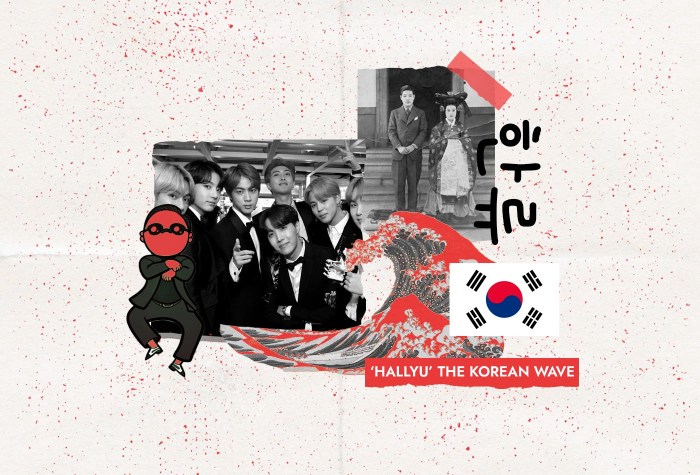

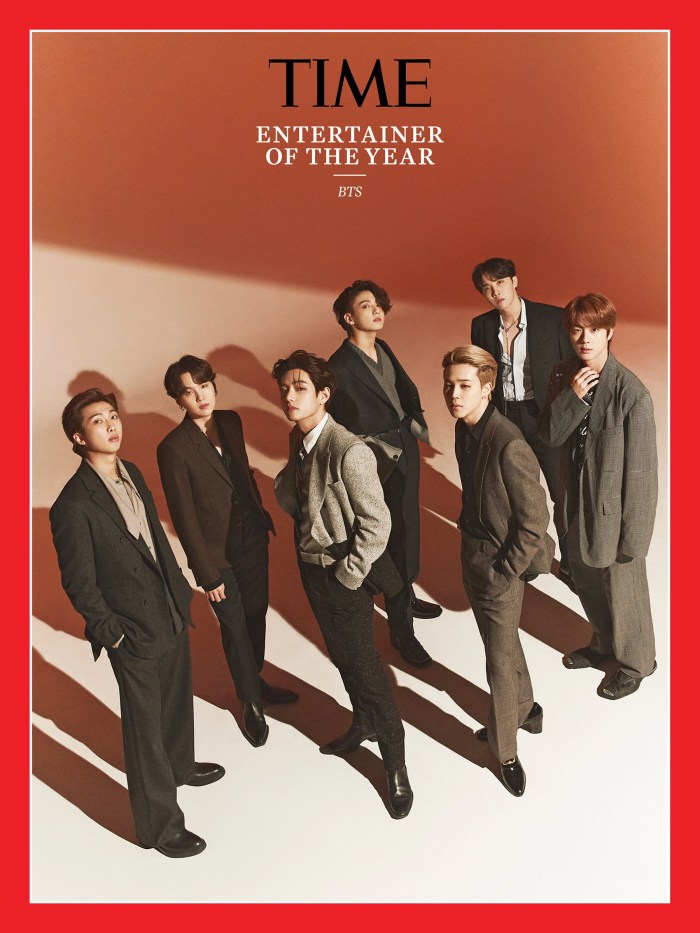


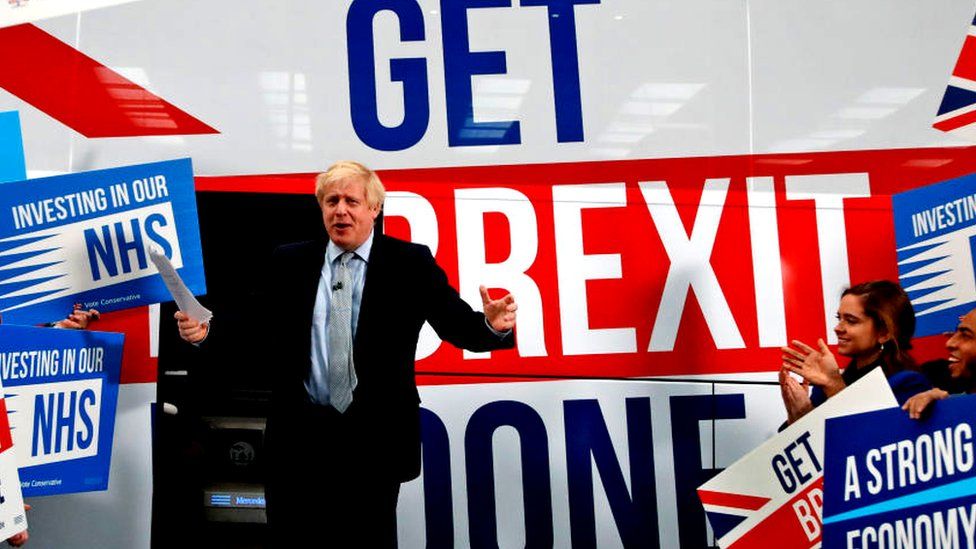
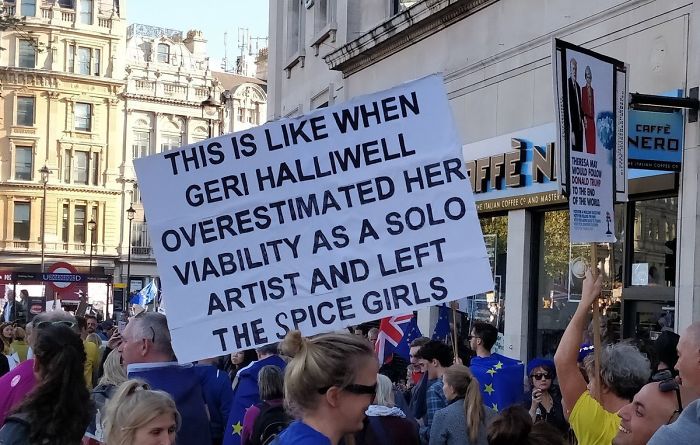



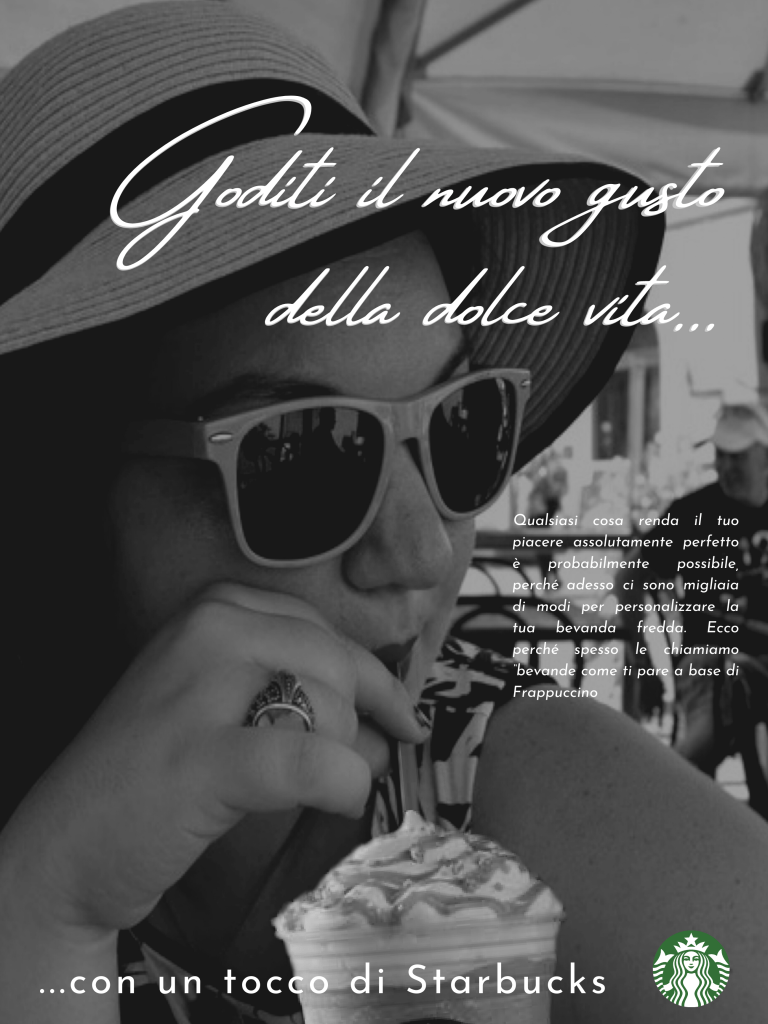
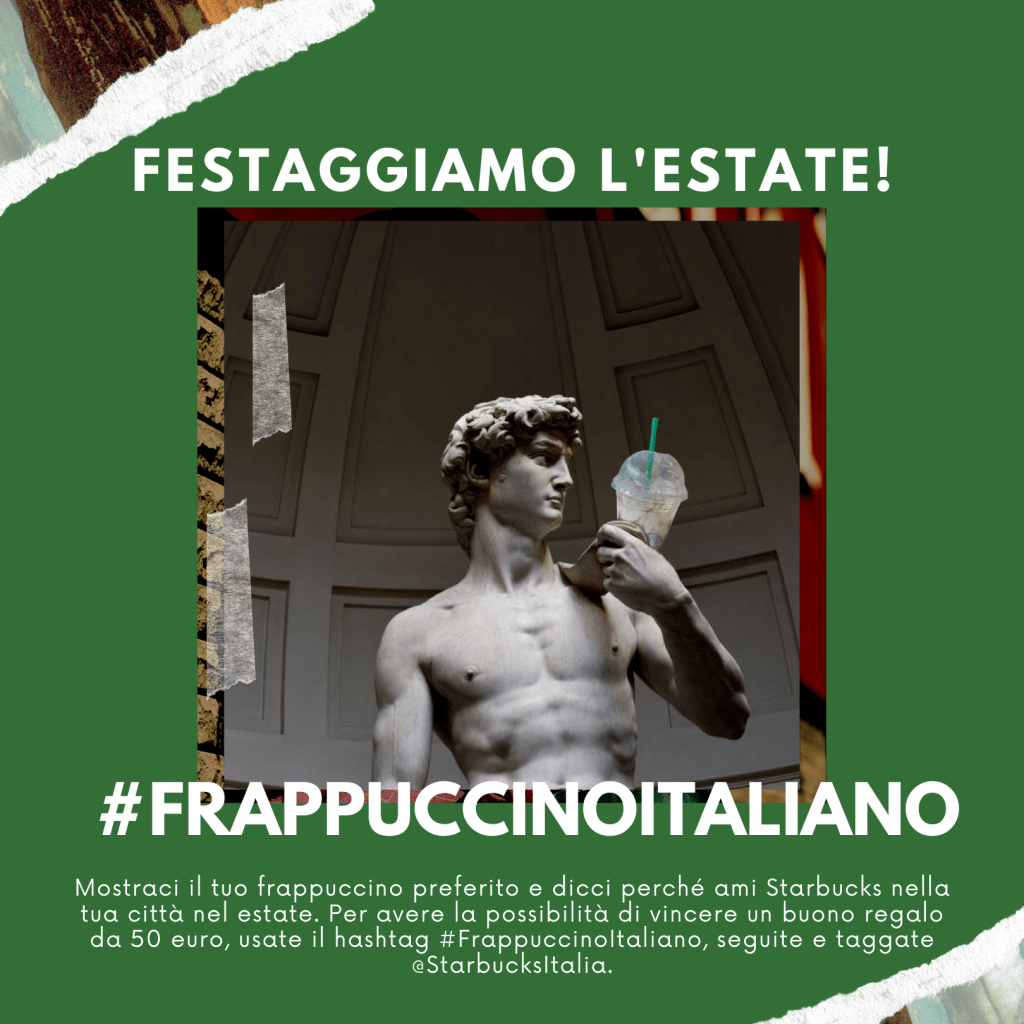
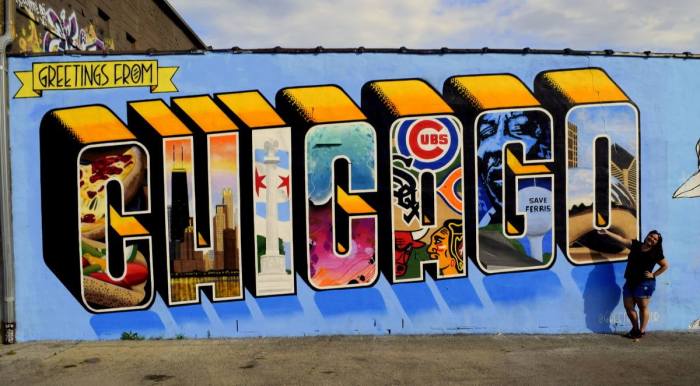
 Ola Wysocki