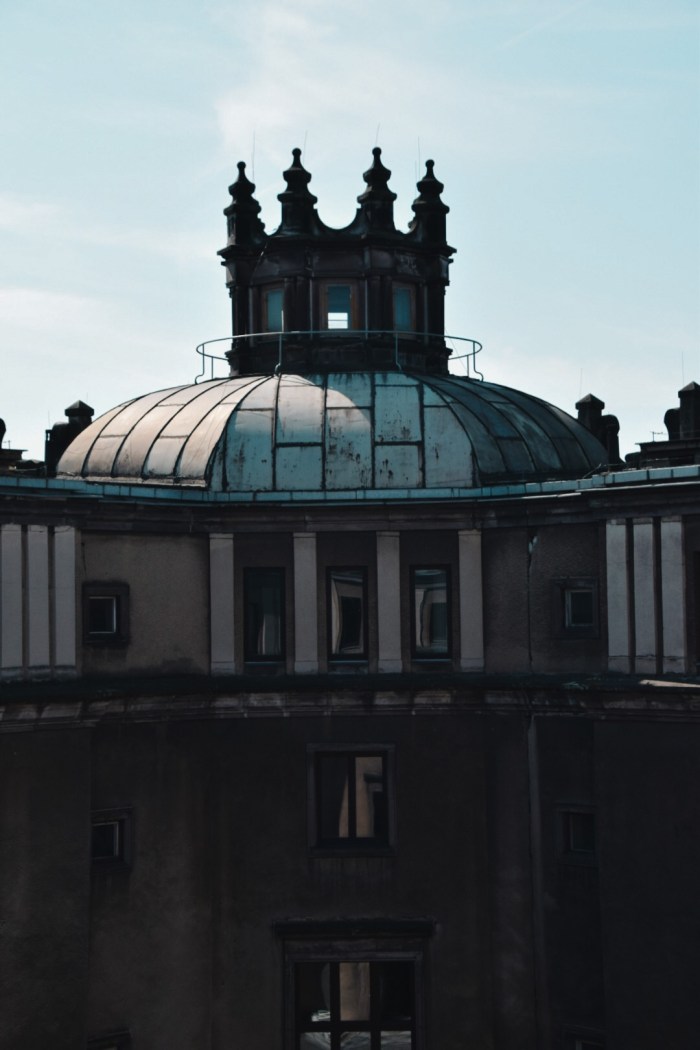
Nowa Huta: Off-The-Beaten Path Kraków

Disclaimer: This post is NOT sponsored by eNHa, I genuinely enjoyed my time during the tour and believe this is a worthwhile experience for anyone looking to enrich their Krakow visit past the Old Town and visits to Auschwitz or Wieliczka.

As a city that survived WWII, physically unscathed for the most part, Kraków is known for its charming historic Old Town. I’ve had the fortune of visiting a few times before, so I sought out experiences that were off the beaten path.

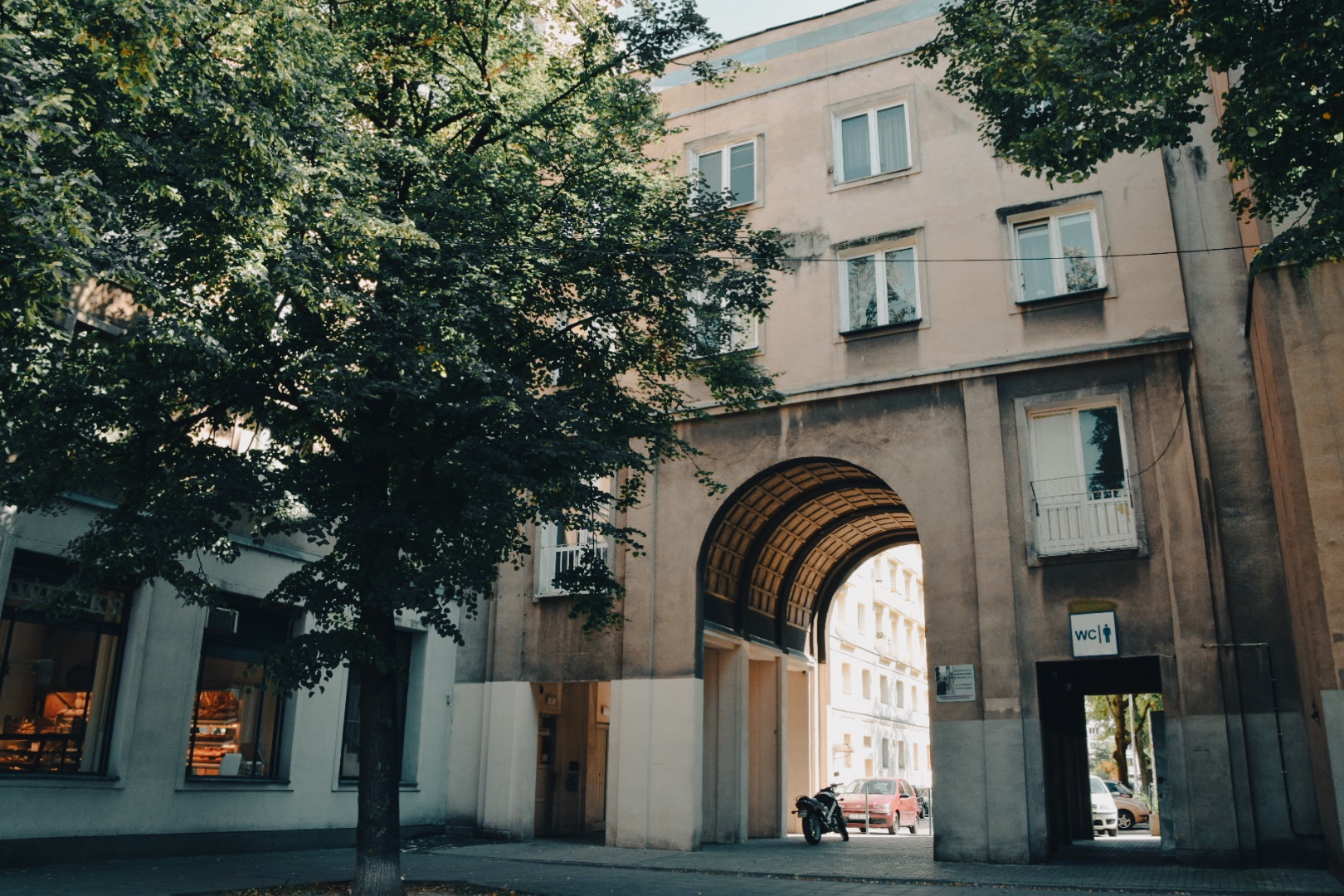
Forever fascinated by this specific time in history and driven by a (somewhat odd) sense of nostalgia for an era that wasn’t ever mine, I stumbled upon a tour of the district of Nowa Huta. Originally founded as its own city, it was once the Polish communist party’s answer to the very anti-communist city of Kraków. One of only two entirely pre-planned socialist realism cities ever built, a visit, whether for tourists but also for Poles, is like traveling back in time.

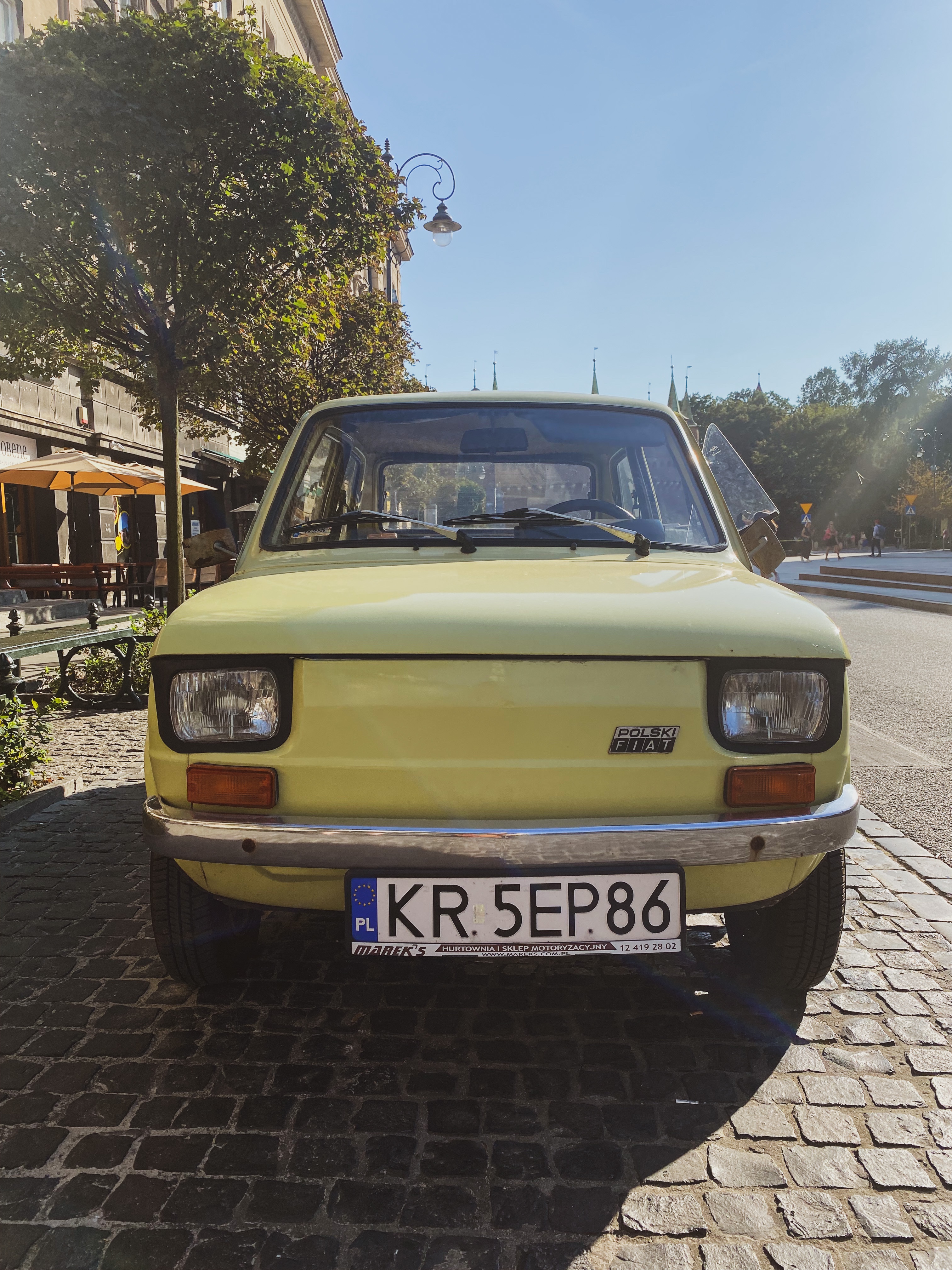
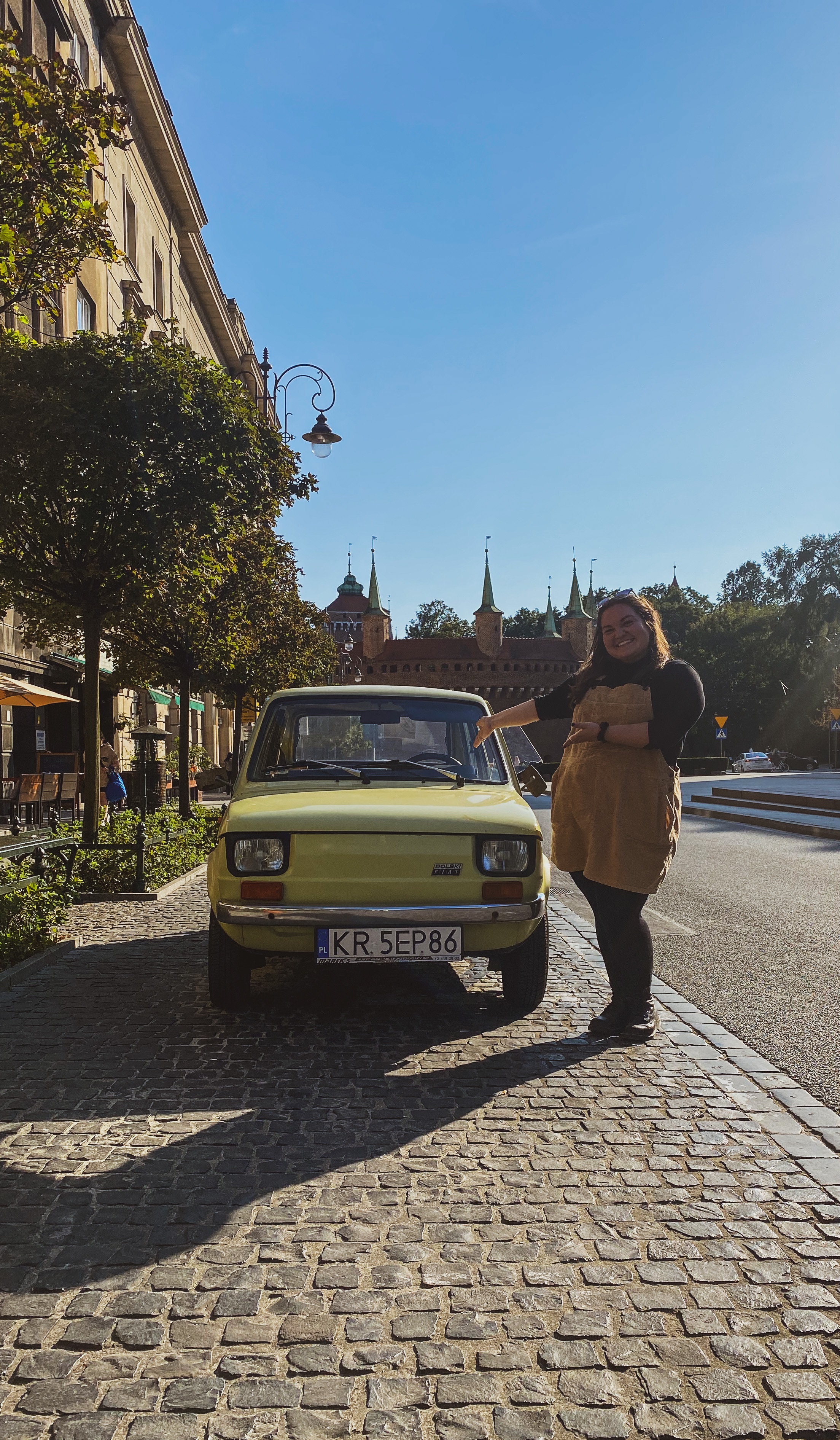
Even after the fall of communism, Nowa Huta had a bit of a bad rap throughout the 90s and early 00s, but is now slowly beginning to revitalize; eNHa Trip is one of those initiatives trying to breathe some new life into Nowa Huta by taking folks into its past. All of the profits from eNHa tours go into supporting community initiatives to help Nowa Huta thrive. Greeted by an authentic Fiat 126p aka a “Maluch” (which my mama told me she owned before she immigrated to the US) as my ride for the day and awesome guide Mateusz, I had a blast exploring a new neighborhood.

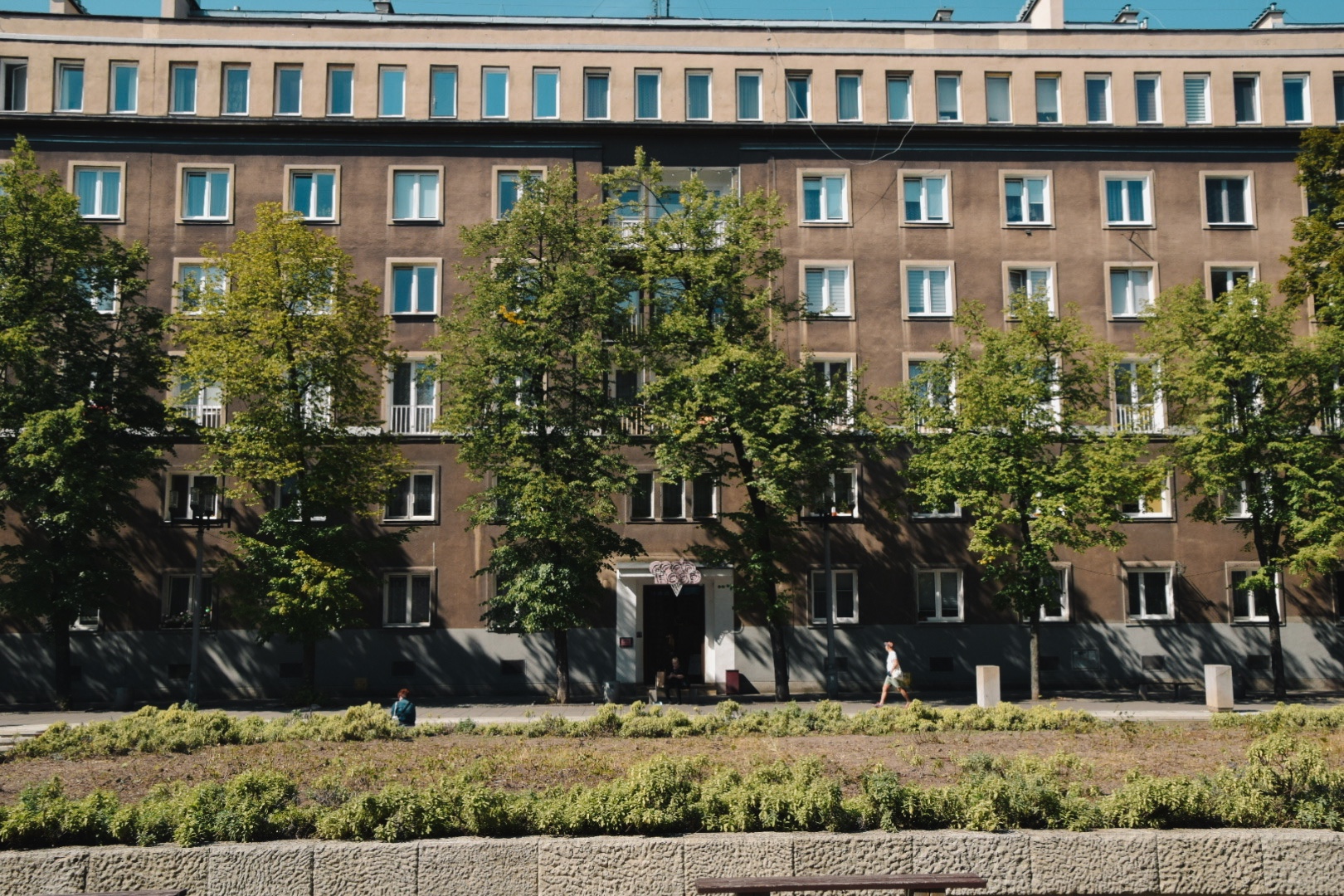
Some highlights included:

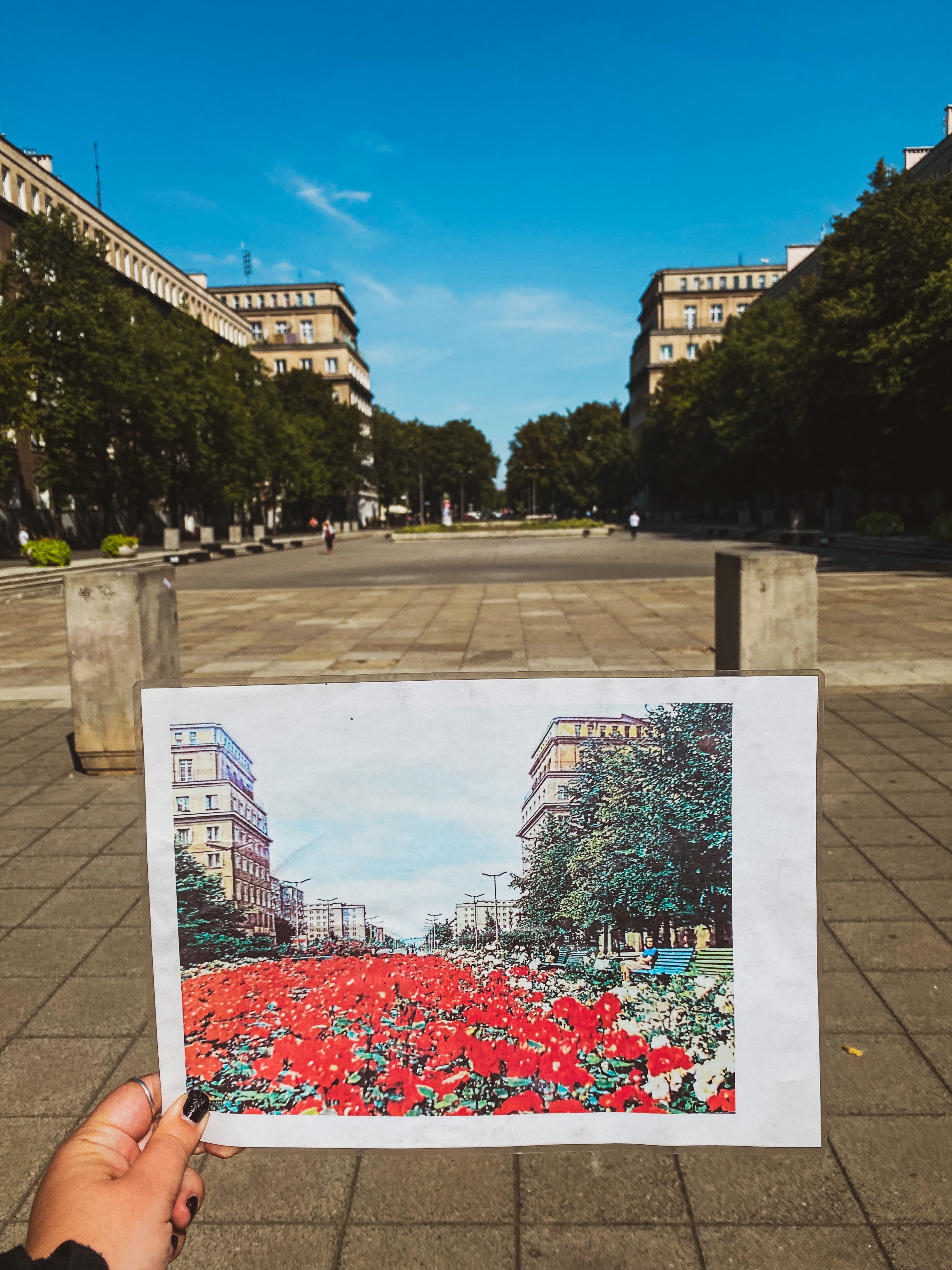
The Aleja róż, or Avenue of Roses, is just off the Central Square of Nowa Huta. The promenade, with its hundreds of roses, became a leisure spot for the locals of the proposed proletariat paradise. Unsurprisingly, it became the home of a giant monument to Vladimir Lenin in 1973. Also unsurprisingly, not everyone was happy with the monument. 1979 witnessed a failed attempt at blowing old Vladimir up. Although the powerful explosion had all the windows in the area knocked out, the revolutionary only lost a heel. The monument to Lenin was finally removed in 1989 after Poland’s free elections. Two years later, it was sold to a Swedish millionaire, and now it can be admired(?) in a theme park near Stockholm. While Vlad will almost certainly not make any kind of official return to Nowa Huta, I was pleased to learn that the city is working towards replanting the roses.
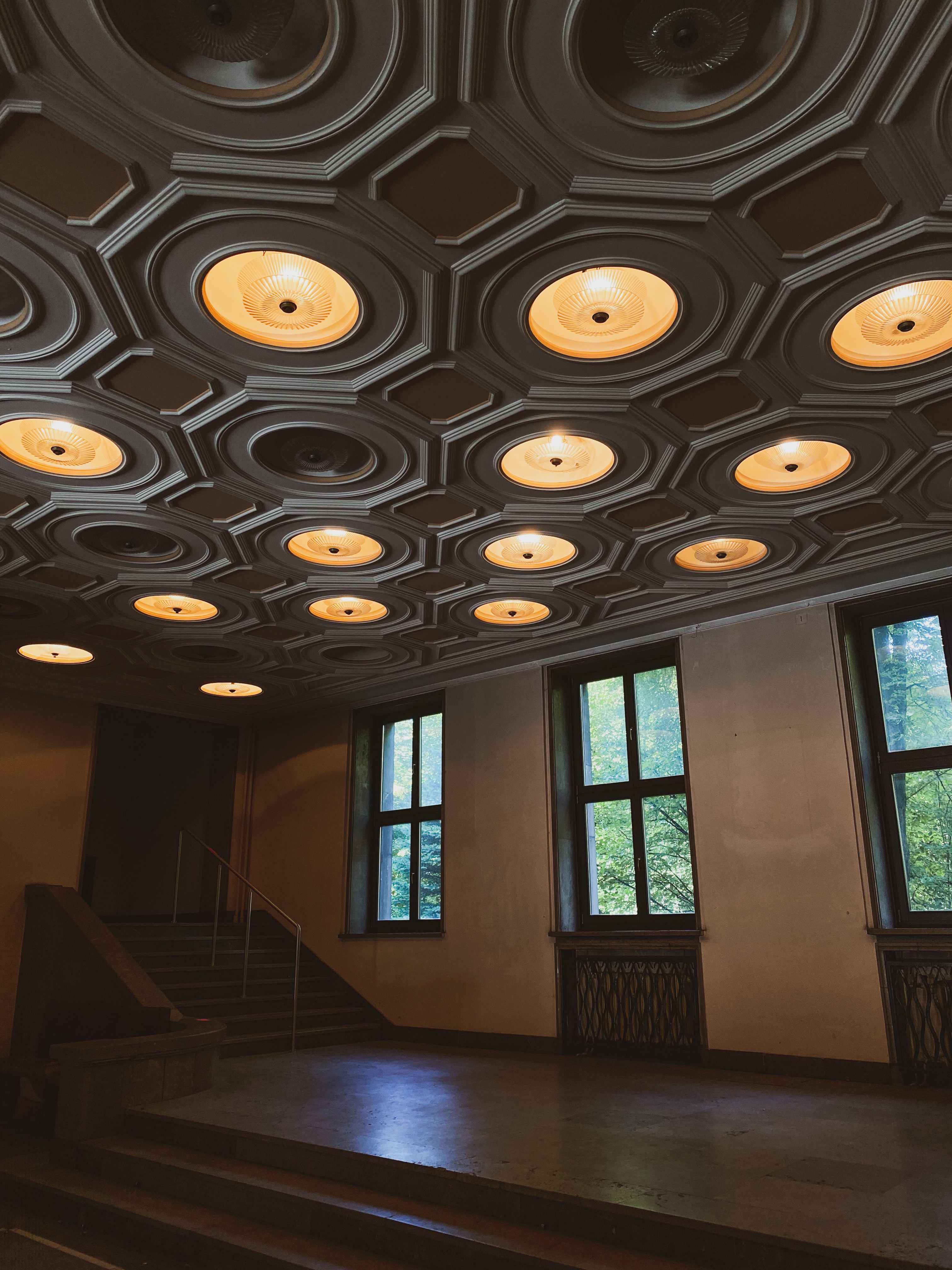
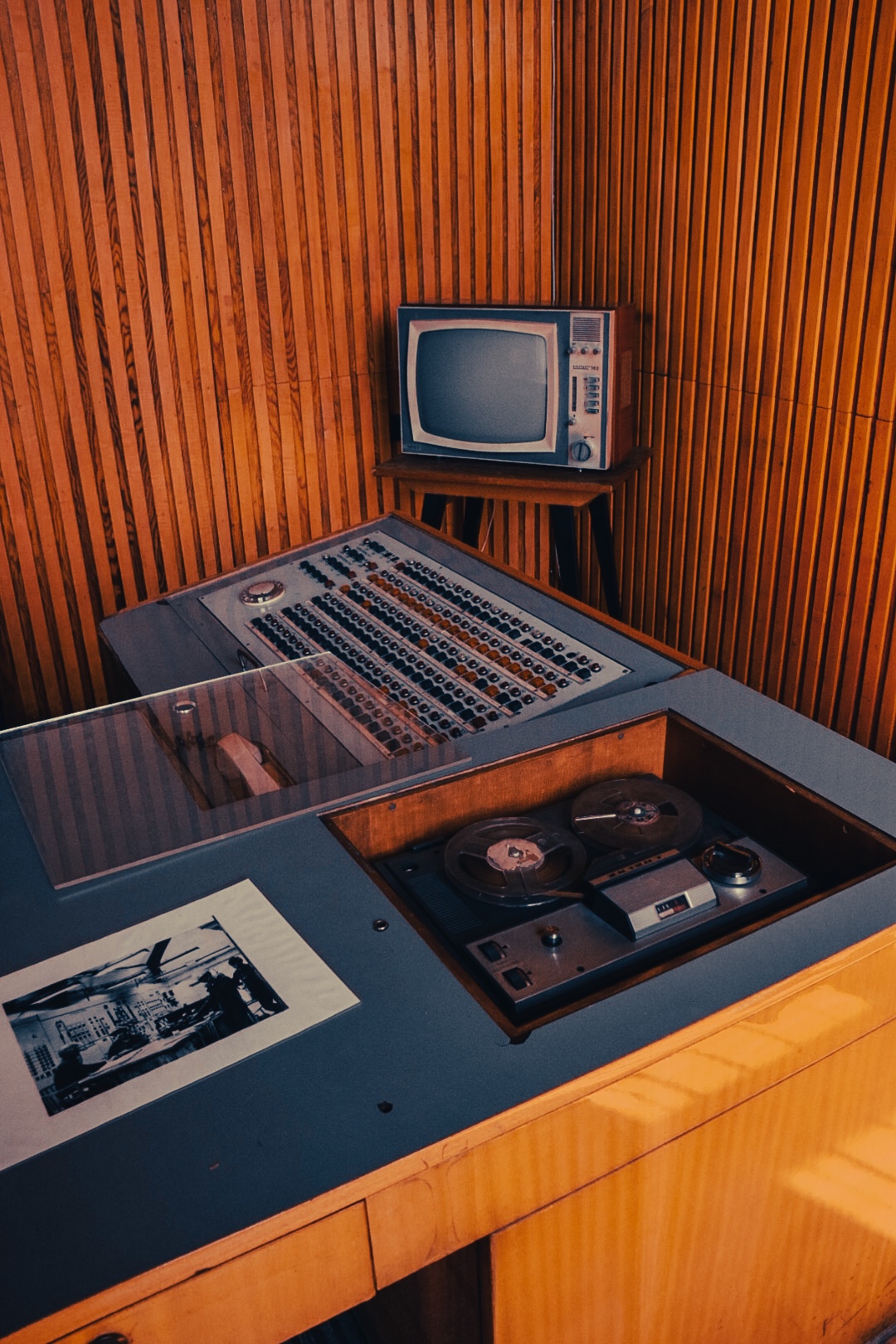
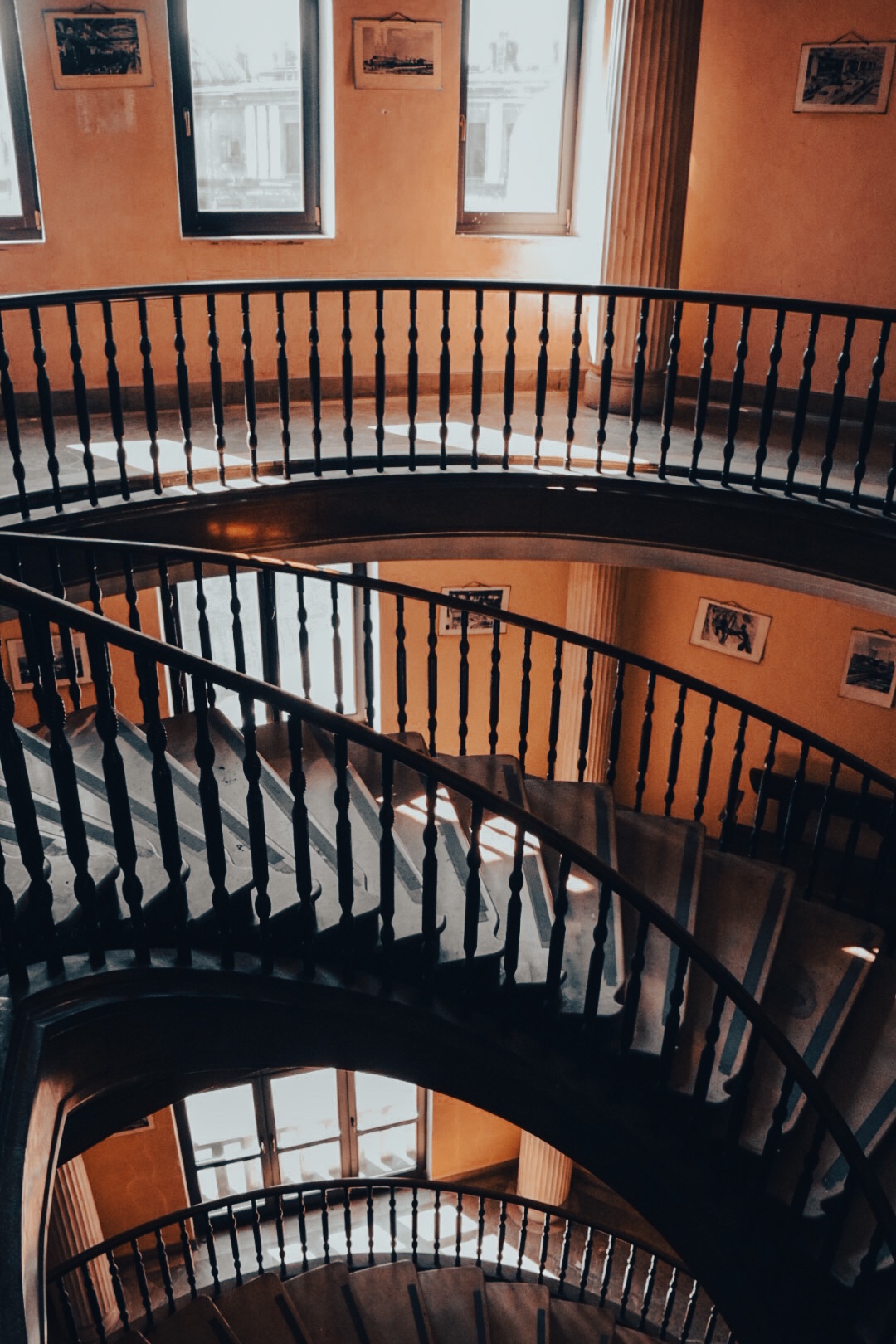
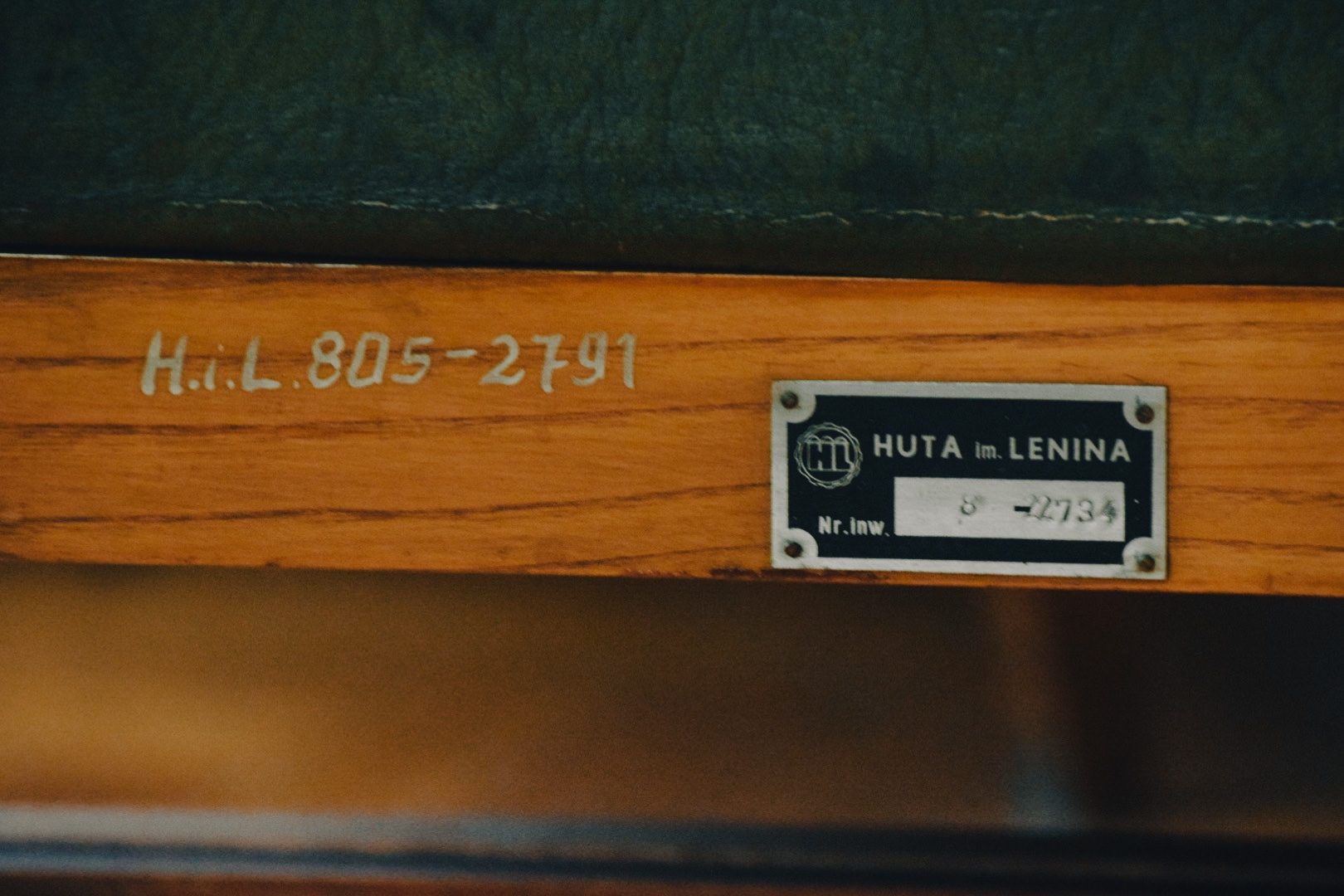
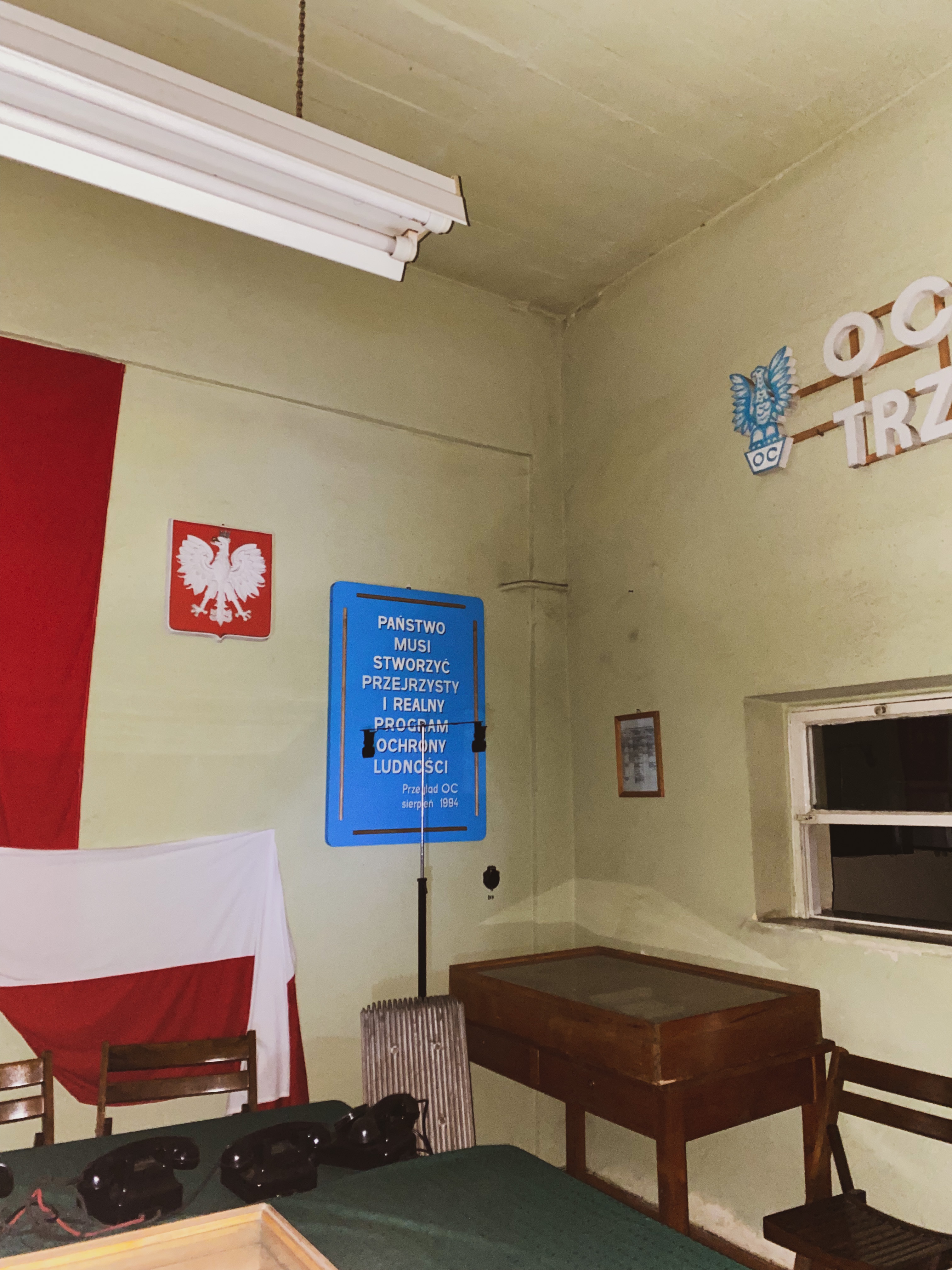
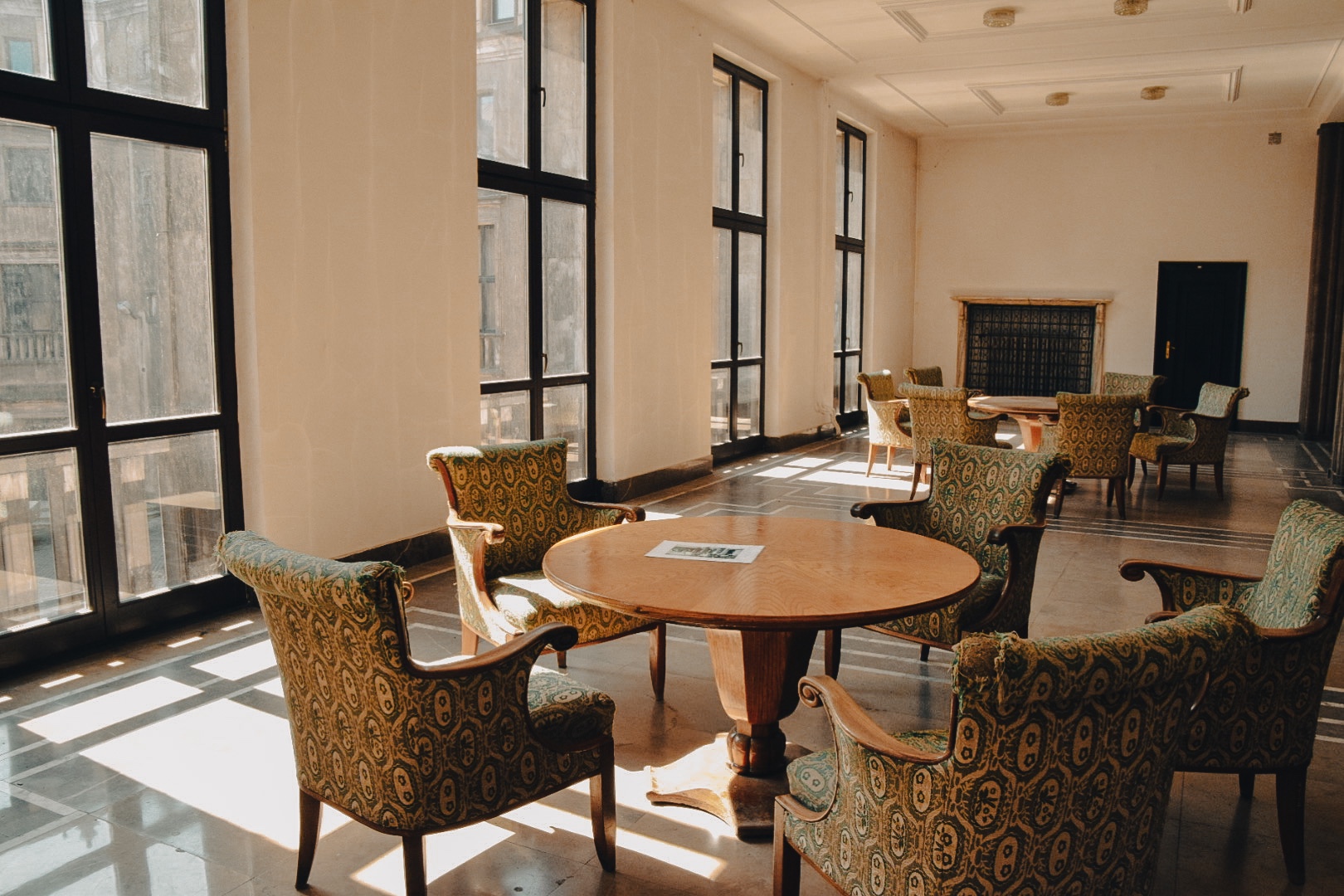
The main gates of Nowa Huta steelworks and the grand entrance to the Kombinat office buildings, together with the famous sign “Huta im. T. Sendzimira” (meaning “T. Sendzimir’s Steelworks”) which was altered after the fall of communism. Mateusz took me through some of the older administrative buildings and the fallout shelter– an experience made even more eerie due to the fact that lights in the underground shelter weren’t functioning, so we explored by flashlight.

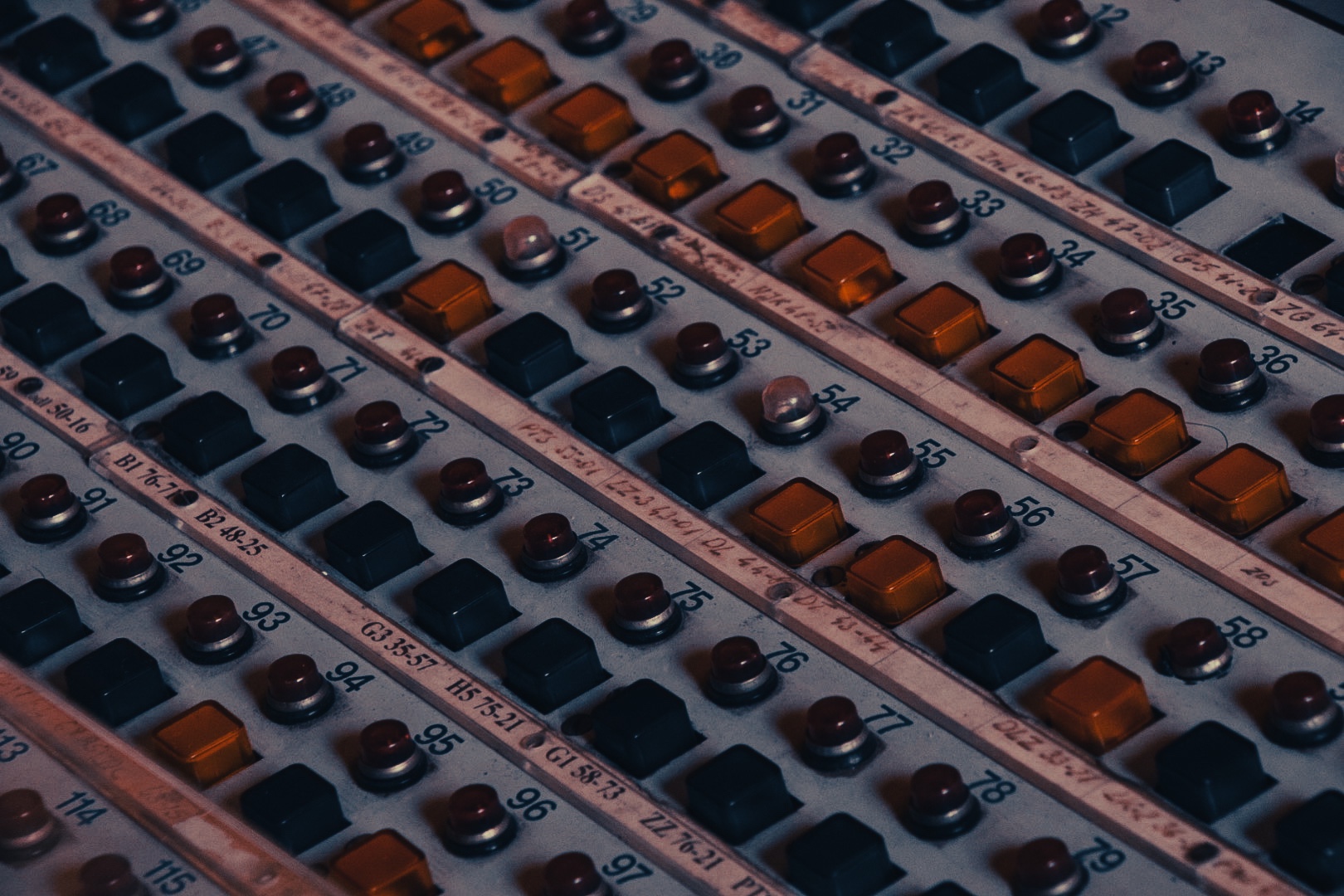
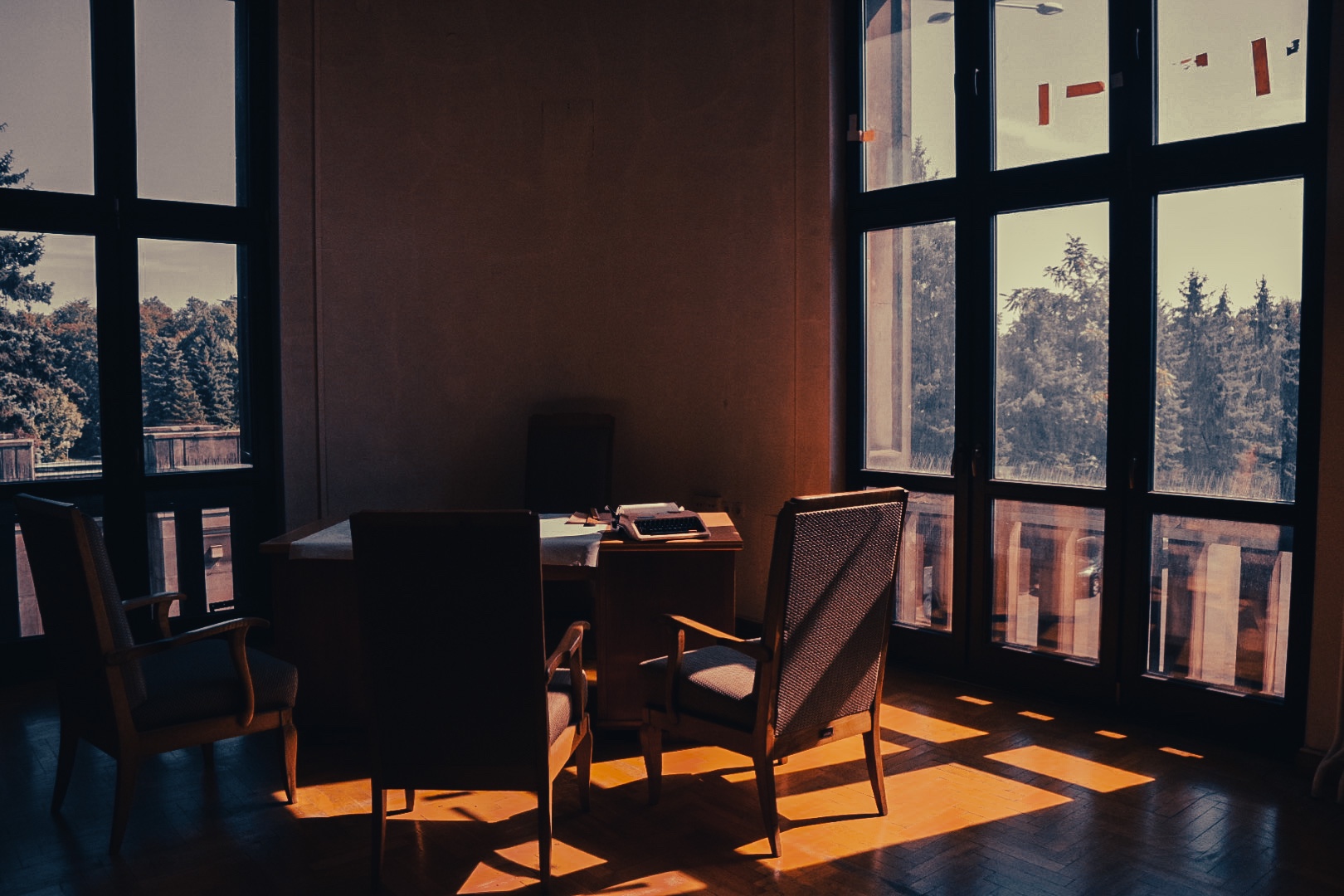
Admittedly, at face value, you may wonder what could be so exciting seeing administrative offices, some old paperwork or hearing recorded conversations of some of the guards from the factory- but as someone who leans heavy into nostalgia, it felt like walking through a movie set. Most of the rooms and halls are preserved perfectly and haven’t changed drastically since the 1950s, giving its visitors a time capsule they can walk through.

Riding in the Fiat 126p— The Fiat 126p is a (dare I say) cute little car, produced under a licensed agreement between Poland and Italian company Fiat. In the ’70s Poland was under the socialistic leadership of Edward Gierek, who was in search of a car that would suit the needs of the masses and motorize the country. The little Italian Fiat 126 was chosen as a model, the successor to the 500 (Cinquecento) and assembly of the Polish version began in July of 1973.

Also called a Maluch (Polish for “little one), despite its ridiculous small size, it was supposed to be used as a family car and could fit up to 4 people. The Maluch gained a lot of popularity in Poland, because was the only available and affordable choice for regular working families. While iconic, these are definitely not zooming around the roadways of Poland like they used to- it’s not that common anymore. Car collectors and auto enthusiasts (and apparently Tom Hanks) predominantly celebrate the car and often showcase them at festivals around the country. Although no longer quite practical, this nostalgic, adorable auto has earned its place in the hearts of many Polish generations.

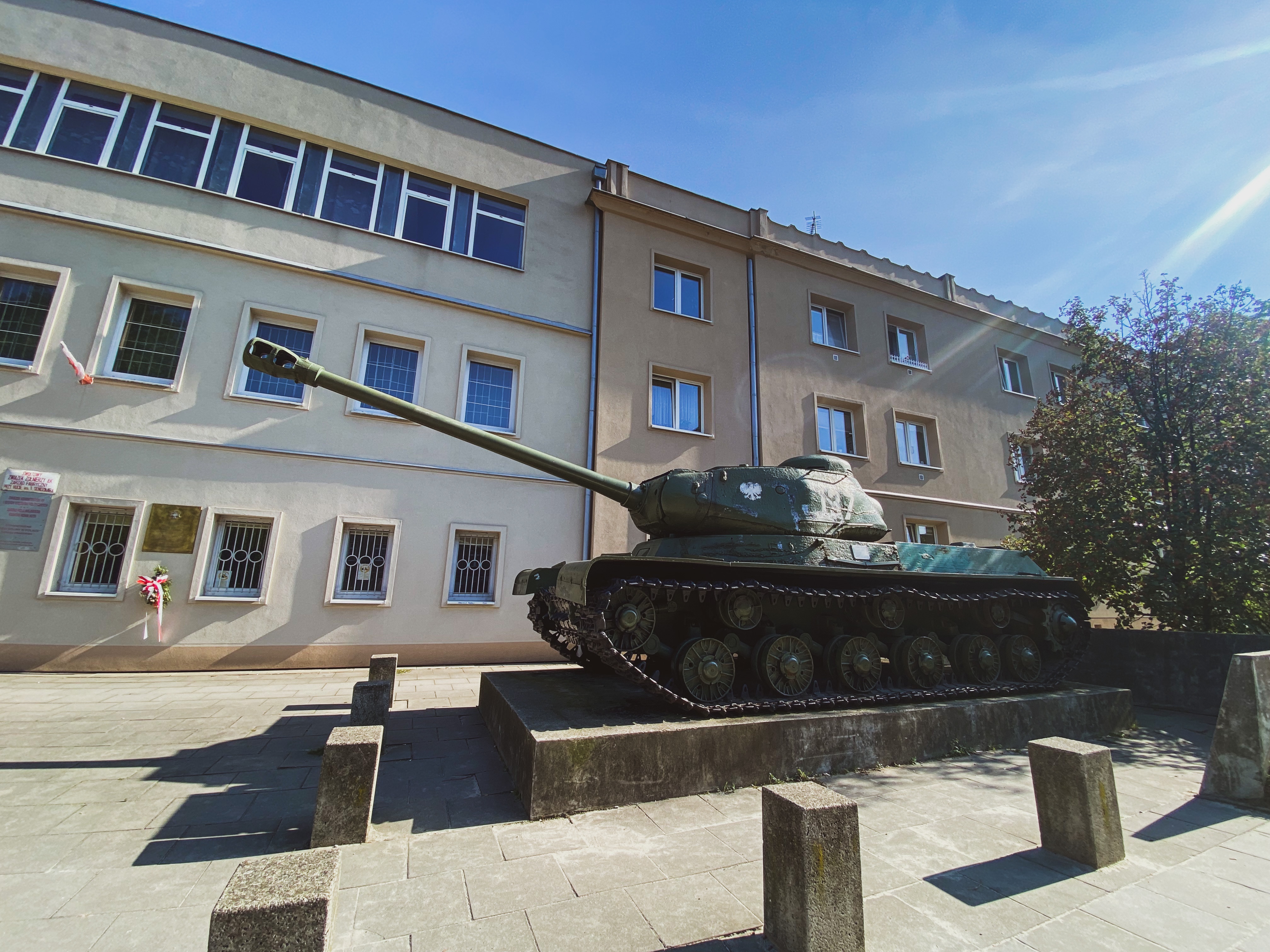
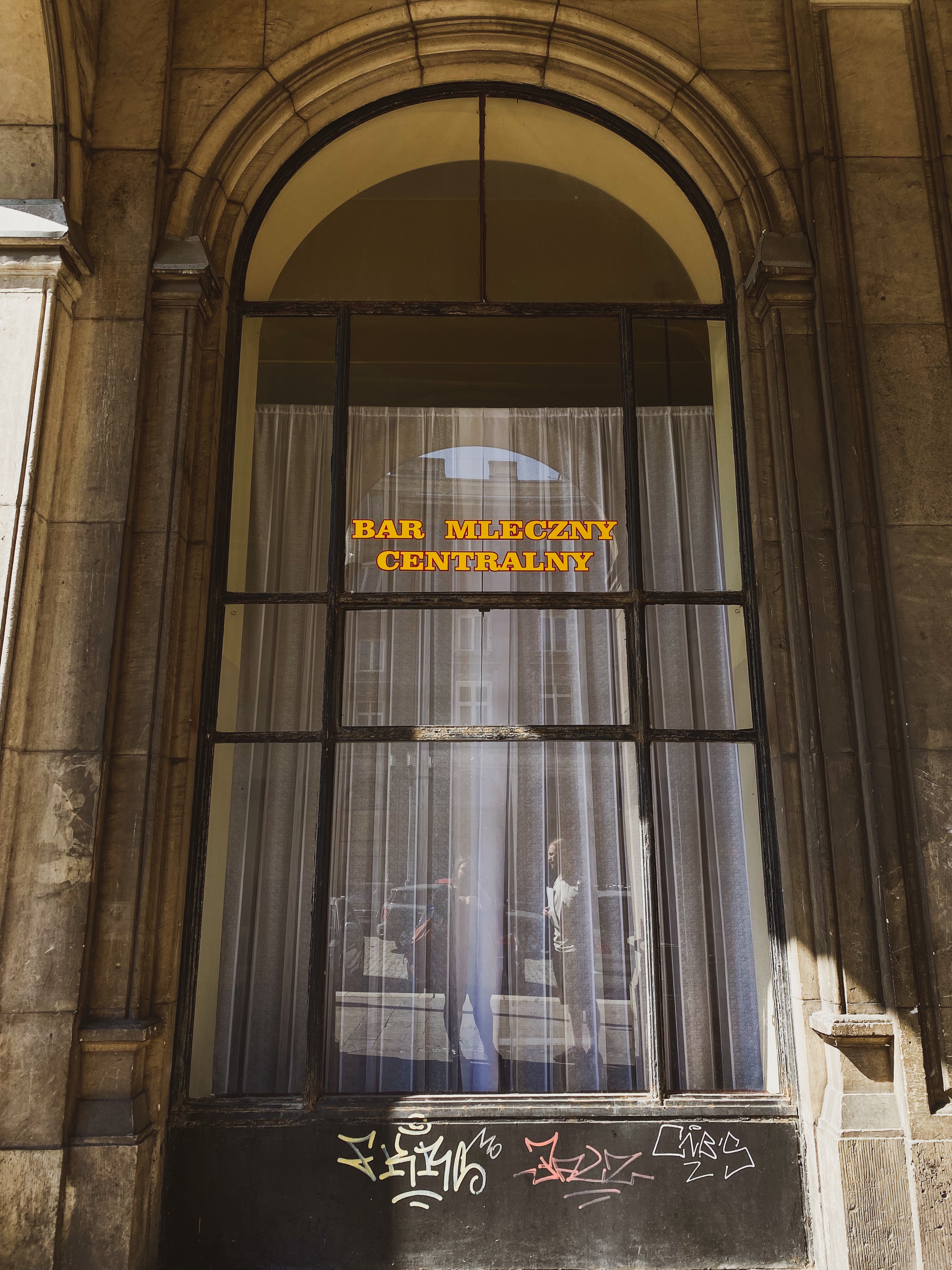
We grabbed lunch at a very popular bar mleczny (milk bar) and of course, no tour of Communist-era Europe would be complete without a photo-op with an original WWII military tank that saw battles on the Eastern front. We ended the day at St. Mary’s Church of the Lord’s Arc – the first church built in Nowa Huta after an arduous campaign by the locals, as the original communist town had no churches at all. It later became a symbol and rebellion base against the socialist regime.
Thanks to my Polish roots/stories from my family, the day became a quirky and real conversation of what life looked like for Poles after the war when they fell behind the Iron Curtain and what we both thought of Polish society today as a result of this particular history. If you’re even remotely curious about the PRL-era or doing something a little different during a stay in Kraków, I can’t recommend it enough!

For more information about the prices and types of tours, be sure to check out the Nowa Huta Tour website.

Kraków for First-Timers

Kraków (sometimes referred to or written as Cracow) is one of the most beautiful cities in Poland. Unlike Warszawa, it wasn’t destroyed during WWII, so it’s preserved much of early Polish culture. You could easily spend a week here and still not discover everything it has hidden in its charming Old Town or surrounding neighborhoods.

It’s such a lively city, filled with young artists, along with old Polish babcias, priests and nuns. You’ll find the familiar (if not than definitely soon-to-be familiar) face of St. John Paul II, Kraków’s most famous son. You might meet a dragon along the way to the castle. You might share a beer with some university students while belting out some karaoke being backed by a live band (I’ve done this before and it’s awesome) or a quiet moment along the Wisła.

If you have limited time in one of my favorite cities, have no fear, your (hopefully) favorite millennial babushka is here. I will be the first to admit, I’ll be a bit biased when it comes to this city, but I honestly think you can’t go wrong in Kraków, especially if you love history, art, and aren’t afraid of a little (or a lot) of beer. 

So, enjoy, moi drodzy!

Stare Miasto (Old Town)

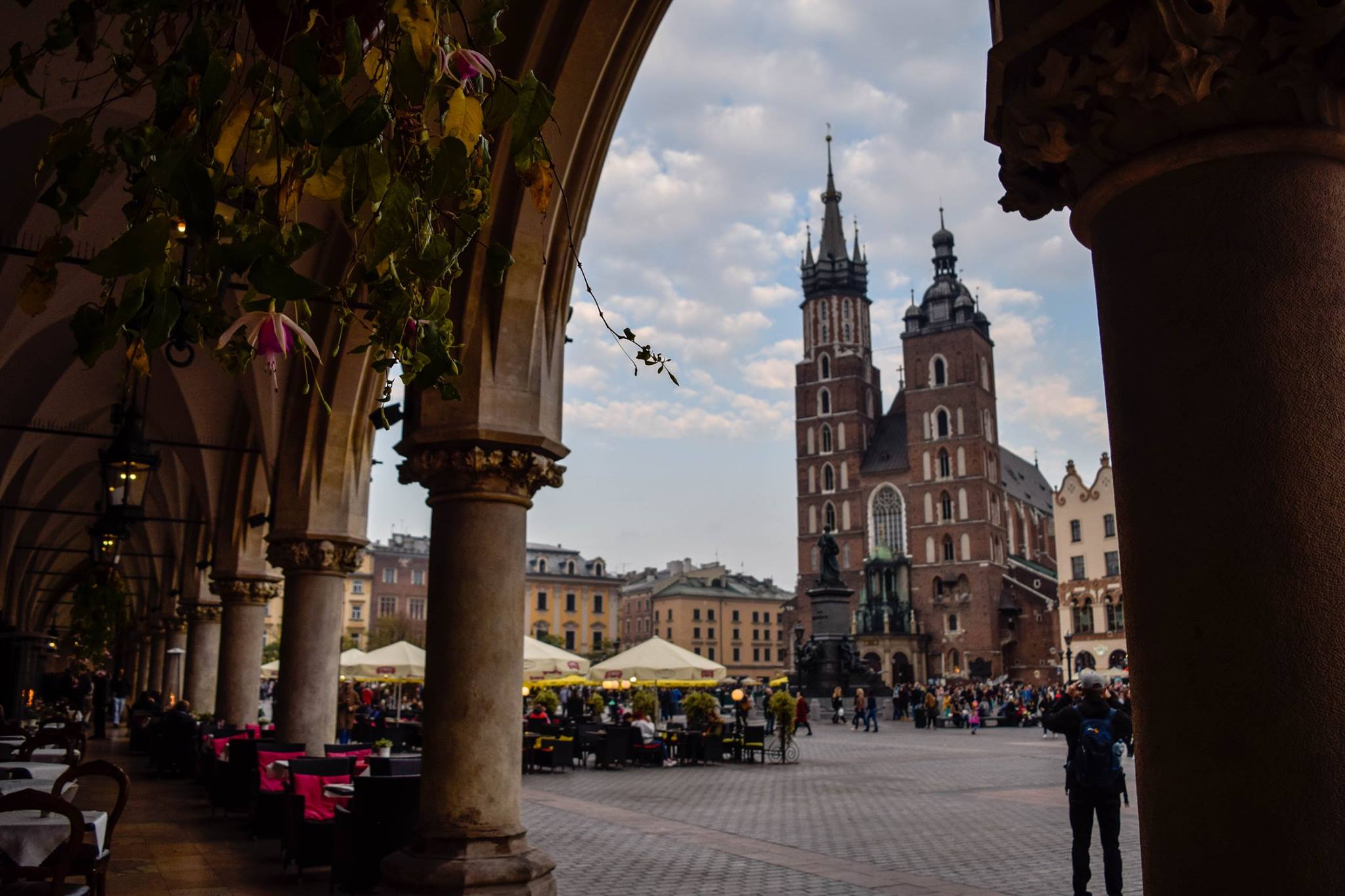
A view of St. Mary's Basilica from the Sukiennice Cloth Hall. Fall 2017.

As every charming old European city, the Stare Miasto is a must. Yes, there’s definitely a higher concentration of tourist traps in terms of restaurants and souvenir shops, but that should not deter you from wandering the quaint and colorful streets. One of the best things about Kraków’s Old Town is that it is extremely walkable and has most of the “must-see” cultural sites, meaning you can either have a more relaxing day, stretching your visits of the sites throughout with breaks for some tasty treats or drinks, or hit them up in quick succession pretty efficiently if you’re in a time crunch.

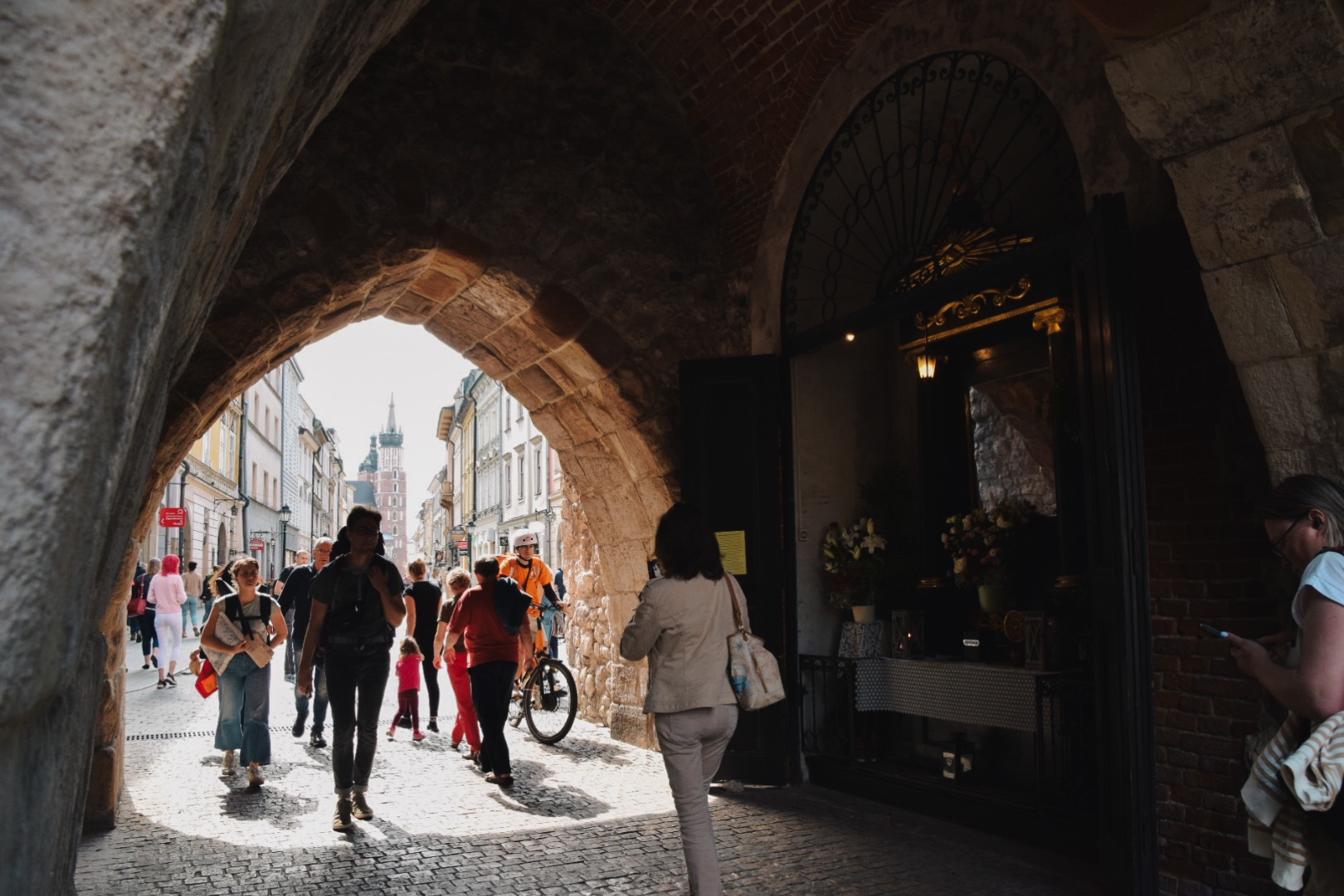
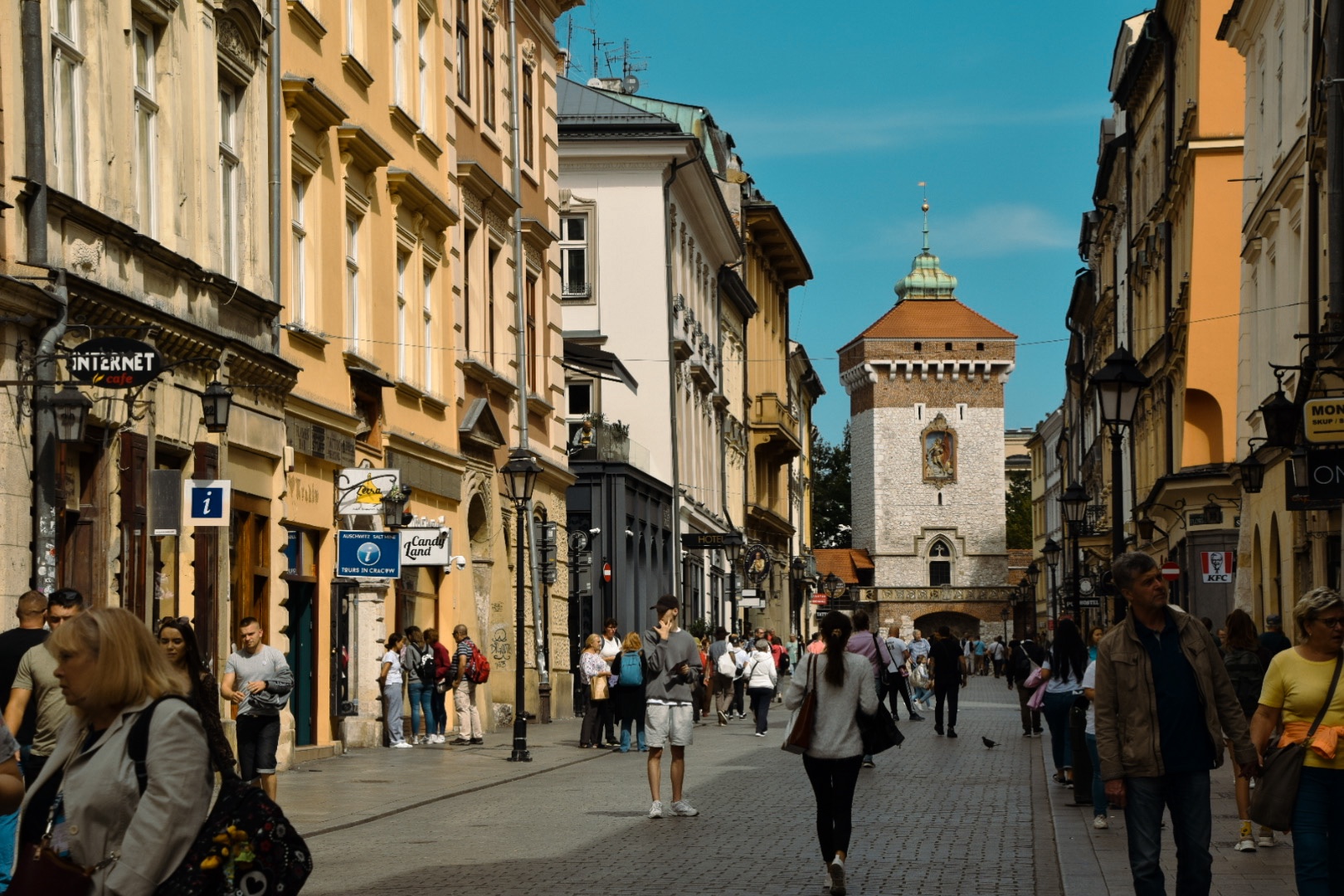
  • Szlak Królewski and Brama Florianska (The Royal Route and St. Florian’s Gate): Brama Florianska welcomes tourists and locals alike to the city’s picturesque Old Town. Marking the beginning of the Royal Road to the Wawel, it is the same gate that welcomed kings, queens and princes, foreign envoys and distinguished guests, parades and coronation processions centuries ago.
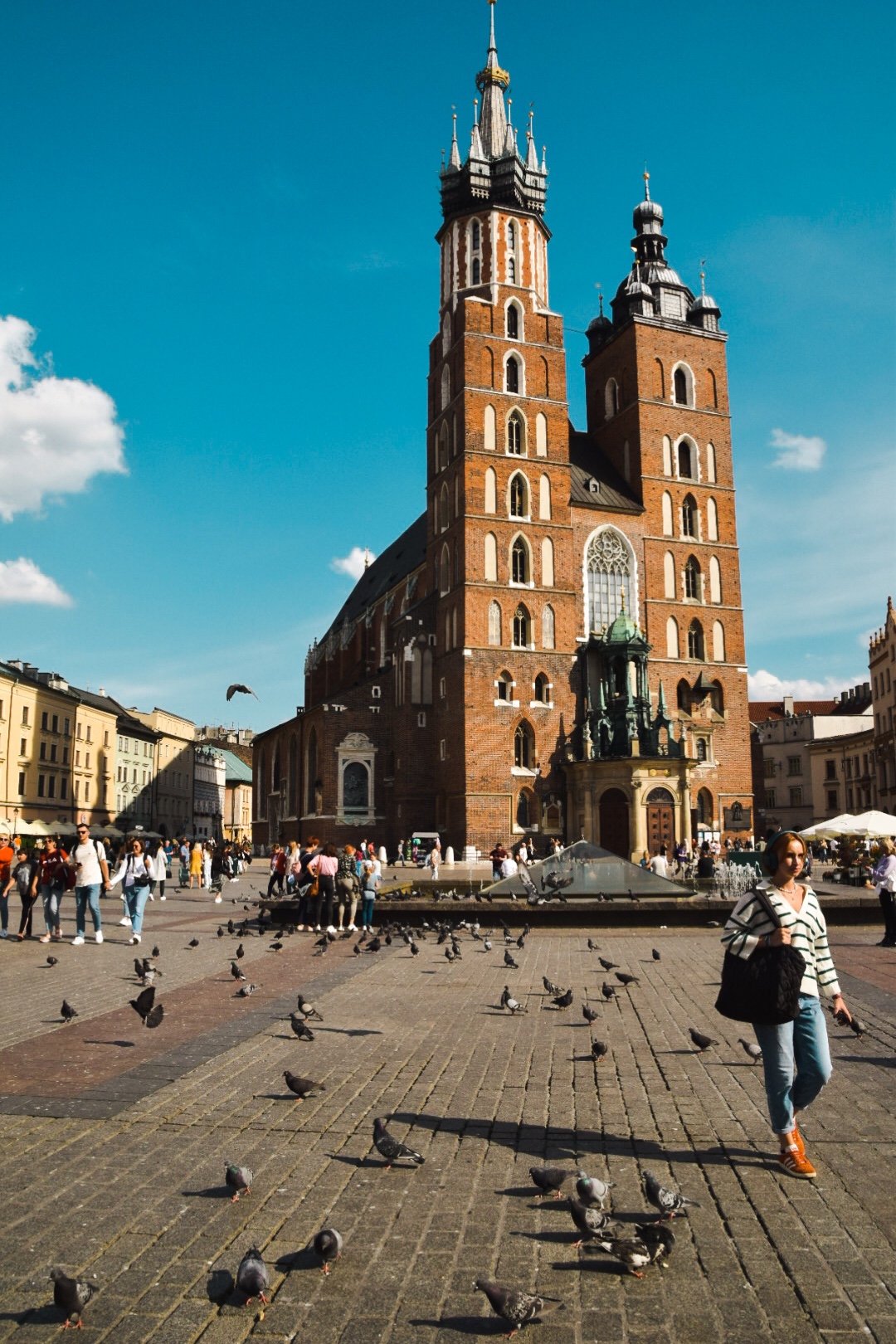
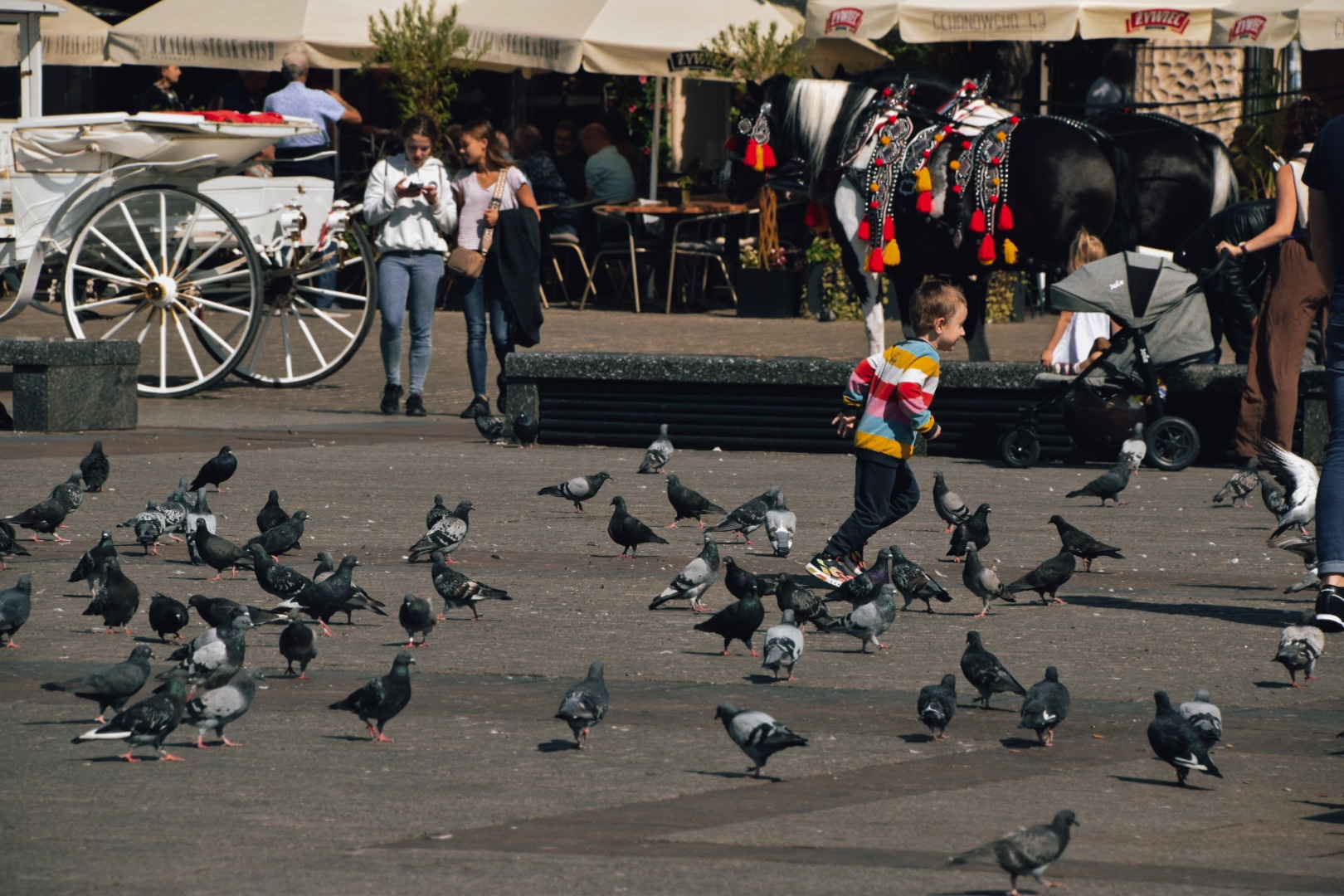
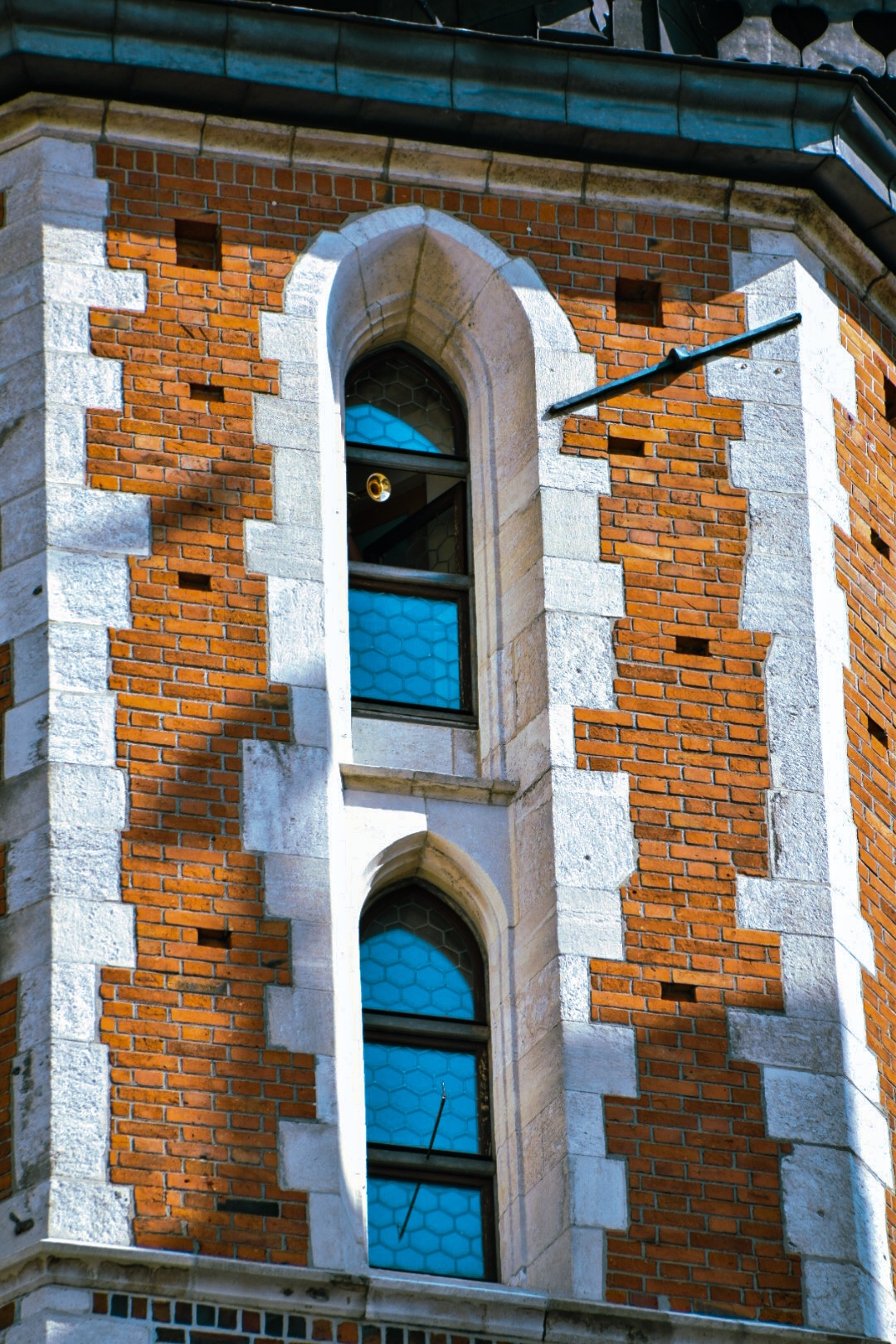
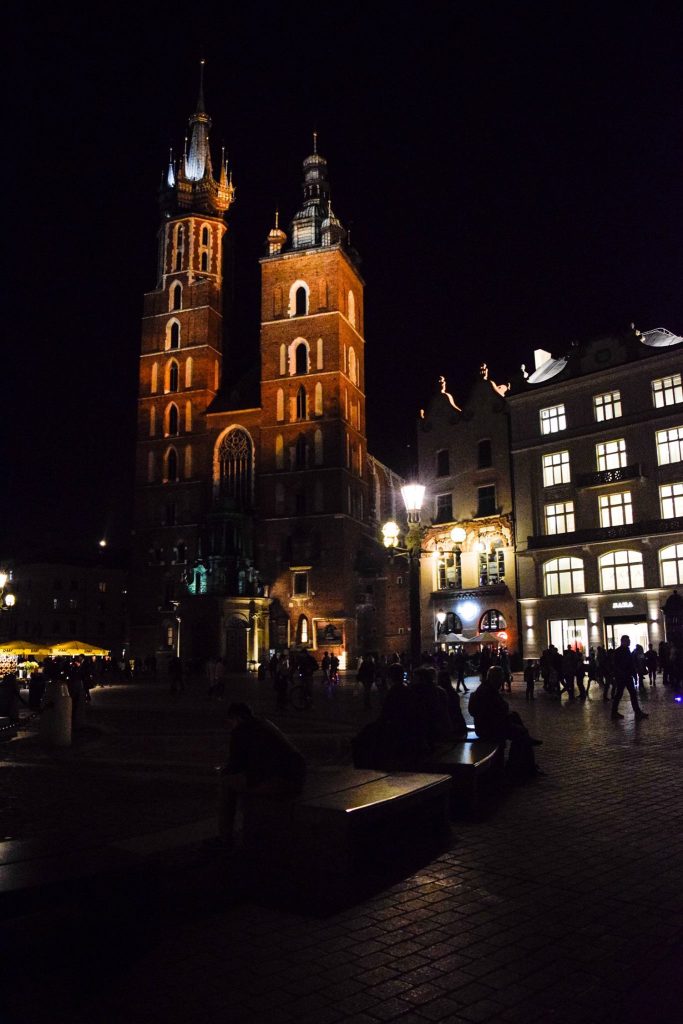
  • Rynek Główny (Main Square): As the heart of the city, the Rynek is the largest medieval square in all of Europe. I find it absolutely beautiful in the summer, filled with tourists on walking tours (definitely fit one in for your first trip- it sets you up for success on navigating around the city!), horse carriages, street musicians, locals enjoying some obwarzanki, drinks, or ice cream, and pigeons galore. In the spring and winter months, you’ll find the seasons’ respective Easter and Christmas markets often with stands selling artisanal crafts and fresh street food. Stick around during the hour mark to hear the bell’s toll and the famous Kraków trumpeteer play the “hejnał krakowski” from the bazylika.
  • Kościół Mariacki (St. Mary’s Basilica): Speaking of the basilica, even if you are not Catholic/religious, I would argue it’s worth a look in. The 14th-century, gothic church is the gem of the main square with its stain glass windows and gilded interiors. This UNESCO World Heritage site is particularly famous for its wooden altar made by Wit Stwosz and murals painted by leading historical painter, Jan Matejko. The blue ceilings were especially striking the first time I saw them, reminding me of the blue that Catholics may associate with Jesus’ mother, Mary. If you’re ever in the mood for some contemplation, I’d recommend stopping in- you may be lucky and catch one of the local or visiting choirs singing.
  • Sukiennice (the Cloth Hall): It used to be the mecca of all trade in Kraków, and even Poland. It’s very touristy now, but it shouldn’t take you more than half an hour to walk by each stall, see what they’re selling and perhaps barter for a better price (probably won’t work though). In general, Sukiennice would be a good spot to grab some souvenirs, but admittedly they’re basically the same price as everything on Florianska Street.
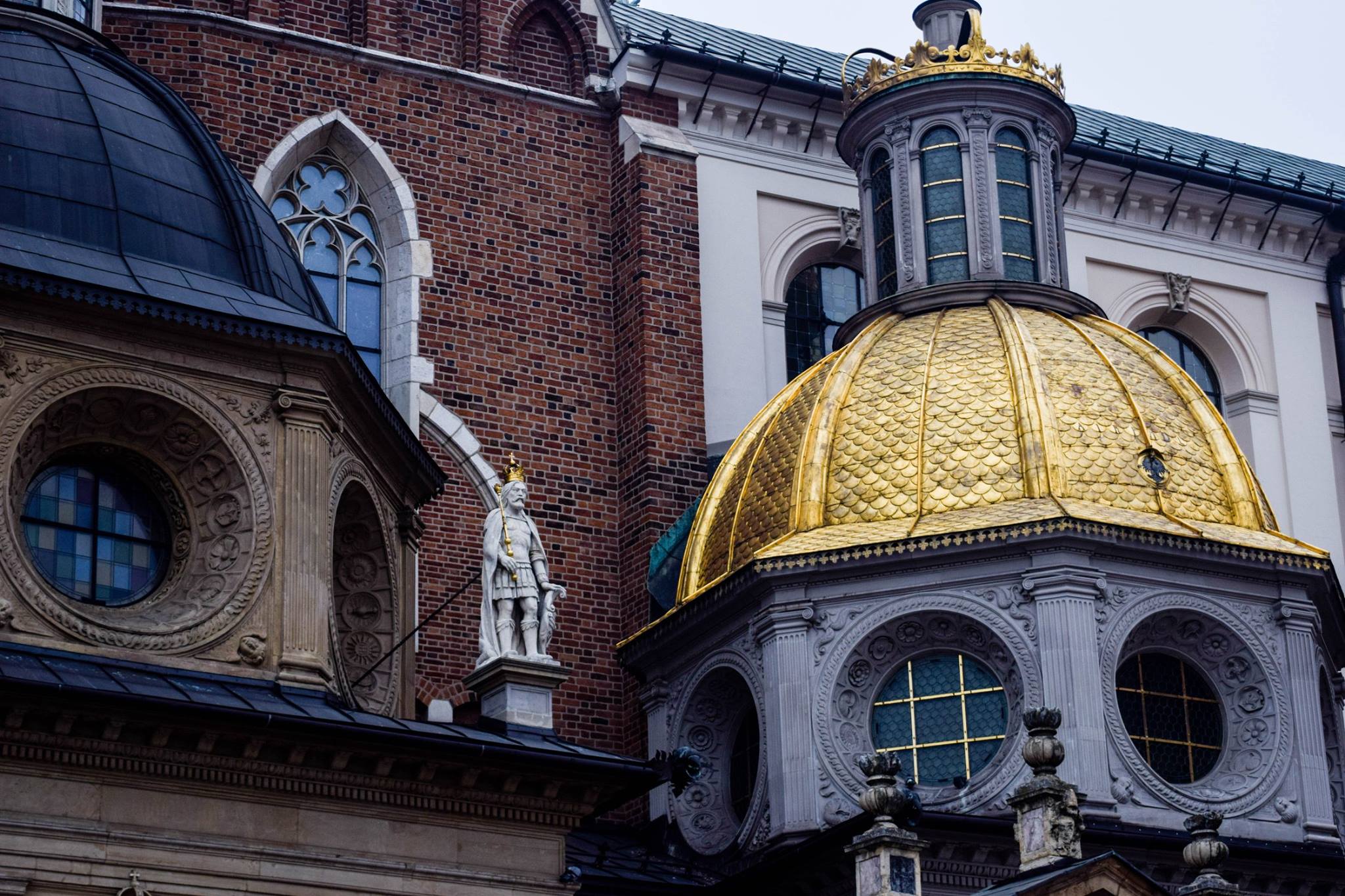
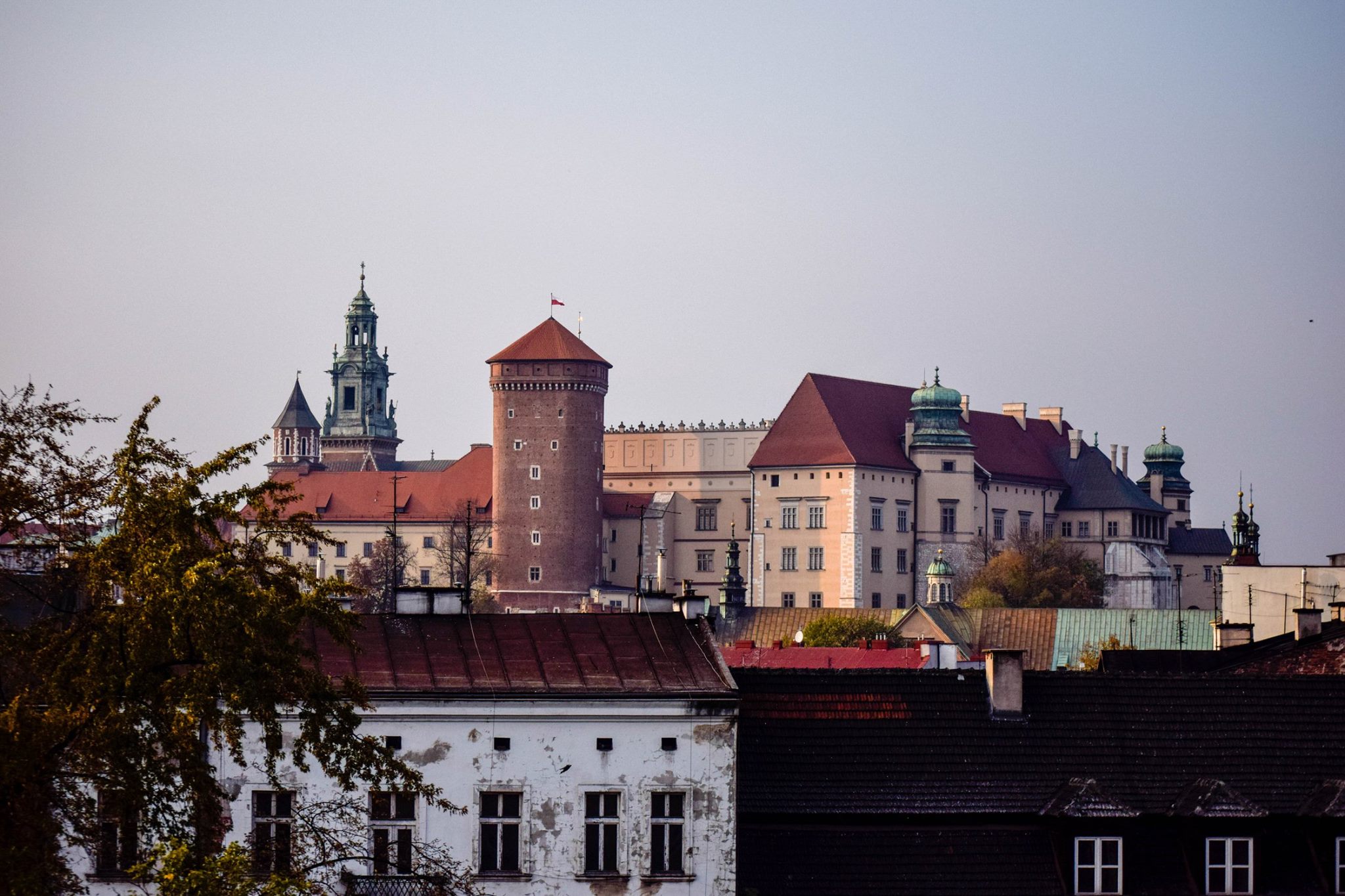
  • Zamek Wawelski (Wawel Castle): The Wawel Castle is perched on top of a hill bearing the same name immediately south of the Old Town. It is by far the most important collection of buildings in Poland. A symbol of national pride, hope, self-rule and not least of all fierce patriotism, the Wawel is the crown jewel of Kraków’s architectural treasures and required visiting for Poles and foreigners alike.

Kazimierz (The Jewish Quarter)

No visit to Kraków would be complete without a stop in Kazimierz. Once the center of Jewish life in Kraków before being systematically destroyed during the Holocaust, this neighborhood has re-emerged as one of the most exciting districts in Poland. Numerous cozy and atmospheric cafes and trendy restaurants, galleries and antique shops, street art, monuments of Jewish culture, and a dynamic nightlife draw tourists and locals alike with a magnetic force. You owe it to yourself to at least try Kraków’s famous street food, a zapiekanka, from the Okrąglak in Plac Nowy (New Square). It’s an incredibly walkable area, so whether on your own or on a free walking tour, it’s very worth dedicating some time to explore this fantastic neighborhood.

It’s a quick list of the essentials, but this is just the Kraków 101-version of what there is to do and see in this charming city. Stay tuned for future posts involving food recs, day trips, and more!

Poland’s Queen: A moment of Polish Pride

I was immediately intrigued by the Królowa teaser posted by Queer Eye’s Antoni Porowski. Would there finally be some Polish-language content available on the US Netflix that’s not about true crime or some dystopian history story? A dziewucha could dream, and this latest Polish miniseries is giving her some hope for what’s to come now that the streaming giant has announced a new regional HQ in Warszawa.

Trailer for Netlflix’s 2022 miniseries, Królowa.

The tale focuses on Sylwester, a retired tailor who spent the last 50 years of his life in Paris. He returns to Poland thanks to a letter sent to him by his granddaughter. The young woman shares that her mother (his daughter) is in need of a kidney transplant and asks whether he would consider seeing if he would be a viable donor. Sylwester, although he has never met his daughter because he emigrated from the country just before her birth, decides to reckon with his past and returns to Poland. As anyone could guess, his welcome is not necessarily warm, especially on the part of his daughter, and it is revealed that Dziadek (Grandpa) Sylwester has an “unusual” passion, at least by traditional Polish standards. In Paris, he performs on stage as the beloved drag queen Loretta. With this premise, a story of family and acceptance ensues.

Królowa is not groundbreaking by our US standards and there is a lot with the miniseries that seems to wrap up almost too neatly. You could probably already guess how this story ends, even if a bit unsure of the details in between. But for someone whose family comes from one of the most conservative PiS-supporting regions of Poland and has heard accounts of queer friends who have faced some sort of harassment or felt unsafe in Poland, it left me with some hope.

To make a very long and complex story short: Catholicism has been an important part of national identity in Poland, especially since Poles have tended to view the Catholic Church as a symbol of fighting for independence during the Communist regime that Poland fell under after WWII. In those days, the Catholic Church was a refuge, a supporter of a free, democratic Poland. Many older Poles to this day view Pope John Paul II as an instrumental factor of the country’s ability to topple the Soviet-backed regime in the 1980s. This is why the Church, and its morals and views, hold such esteem in the eyes of the older Polish generations that lived through the second half of the 20th century.

PiS, or Prawo i Sprawiedliwość (Law and Justice Party) was originally founded in 2001 as a center right, anti-establishment party, specifically opposed to former Communist political elites who were attempting to reinvent themselves after the fall of the USSR. Throughout the years, however; the party has transformed itself from a mainstream conservative party towards a full-on radical right party.

The Catholic Church in Poland is a significant influence on the ideological initiatives of PiS, and in turn, its support of the party legitimatizes PiS’ controversial party lines to tighten (or full out ban) both abortion rights and LGBT rights in Poland. Roe vs. Wade was overturned last week, not by US voters, but by a court- the same happened in Poland in 2020. PiS packed the constitutional tribunal and other courts with its appointees. And though there have been some small moments to celebrate and the community is still showing pride and solidarity, do remember, this is the same nation where its own president went so far to claim, “LGBT is not people, it’s an ideology which is worse than Communism.”

Sure, Królowa is not perfect, it’s just a story, but it’s a start. Time and time again, we learn that representation matters. If this is the direction that Polish stories from Netflix are going, it gives me some cautious optimism for Poland overall.