Nowa Huta: Off-The-Beaten Path Kraków

Disclaimer: This post is NOT sponsored by eNHa, I genuinely enjoyed my time during the tour and believe this is a worthwhile experience for anyone looking to enrich their Krakow visit past the Old Town and visits to Auschwitz or Wieliczka.

As a city that survived WWII, physically unscathed for the most part, Kraków is known for its charming historic Old Town. I’ve had the fortune of visiting a few times before, so I sought out experiences that were off the beaten path.

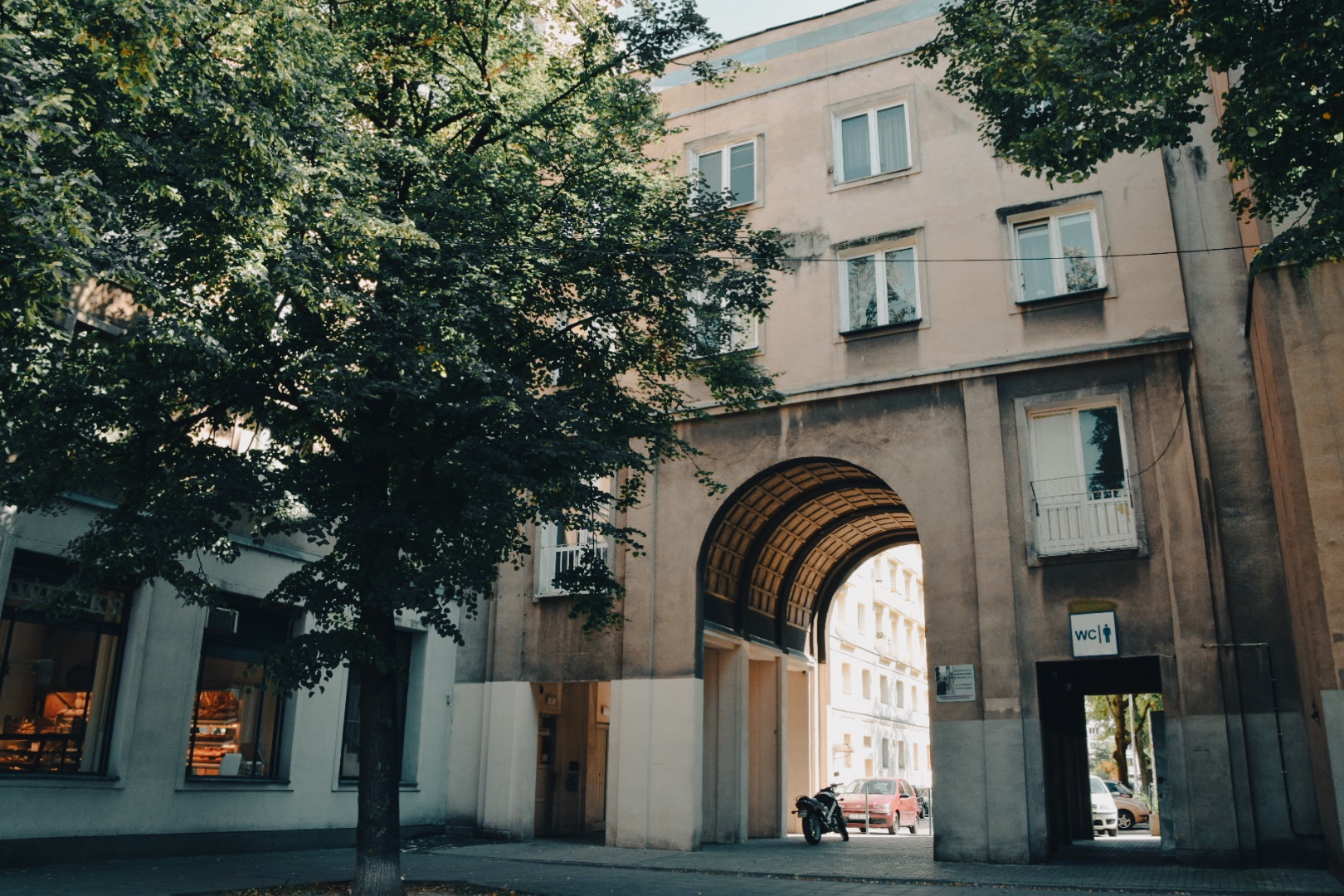
Forever fascinated by this specific time in history and driven by a (somewhat odd) sense of nostalgia for an era that wasn’t ever mine, I stumbled upon a tour of the district of Nowa Huta. Originally founded as its own city, it was once the Polish communist party’s answer to the very anti-communist city of Kraków. One of only two entirely pre-planned socialist realism cities ever built, a visit, whether for tourists but also for Poles, is like traveling back in time.

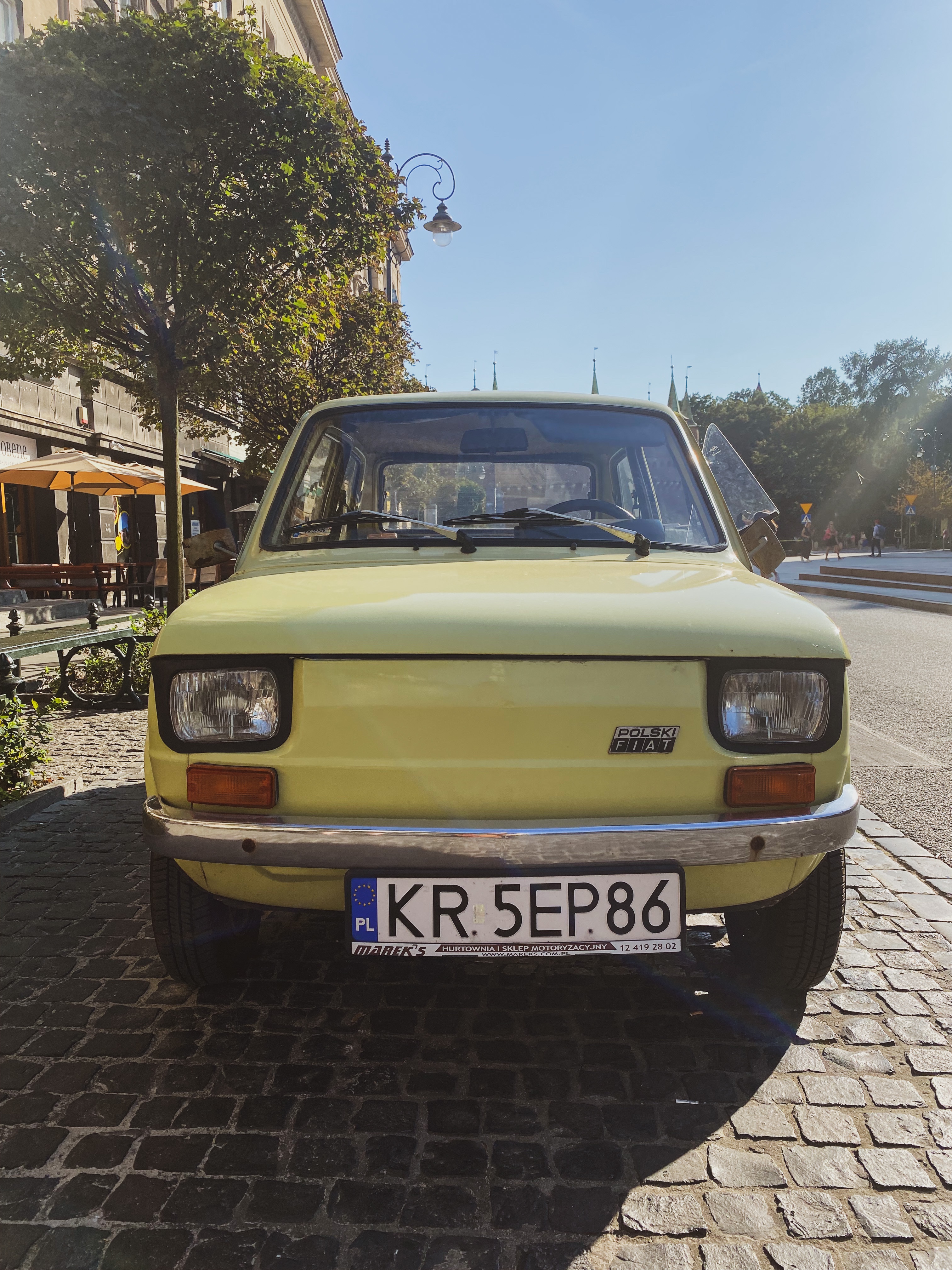
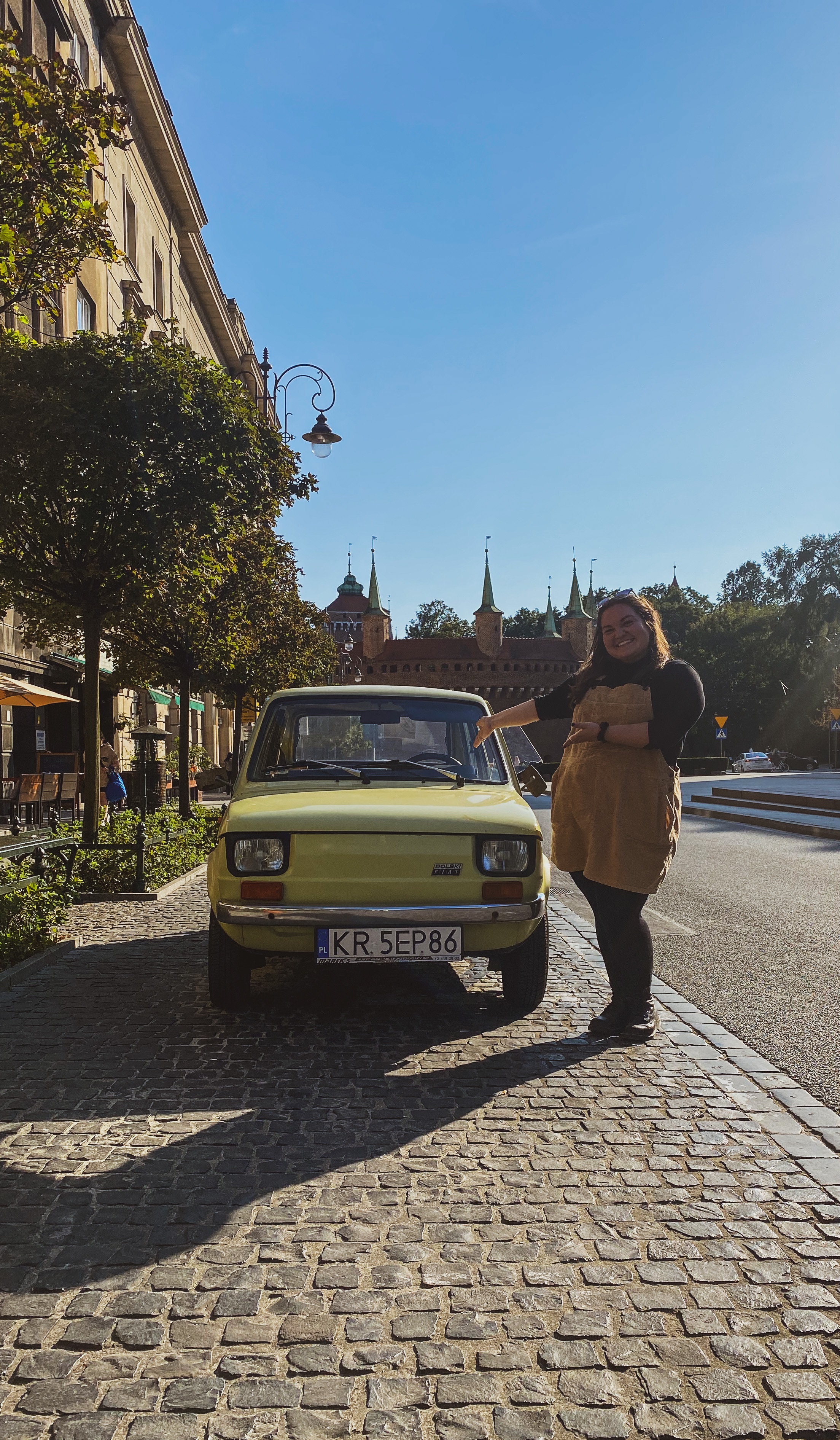
Even after the fall of communism, Nowa Huta had a bit of a bad rap throughout the 90s and early 00s, but is now slowly beginning to revitalize; eNHa Trip is one of those initiatives trying to breathe some new life into Nowa Huta by taking folks into its past. All of the profits from eNHa tours go into supporting community initiatives to help Nowa Huta thrive. Greeted by an authentic Fiat 126p aka a “Maluch” (which my mama told me she owned before she immigrated to the US) as my ride for the day and awesome guide Mateusz, I had a blast exploring a new neighborhood.

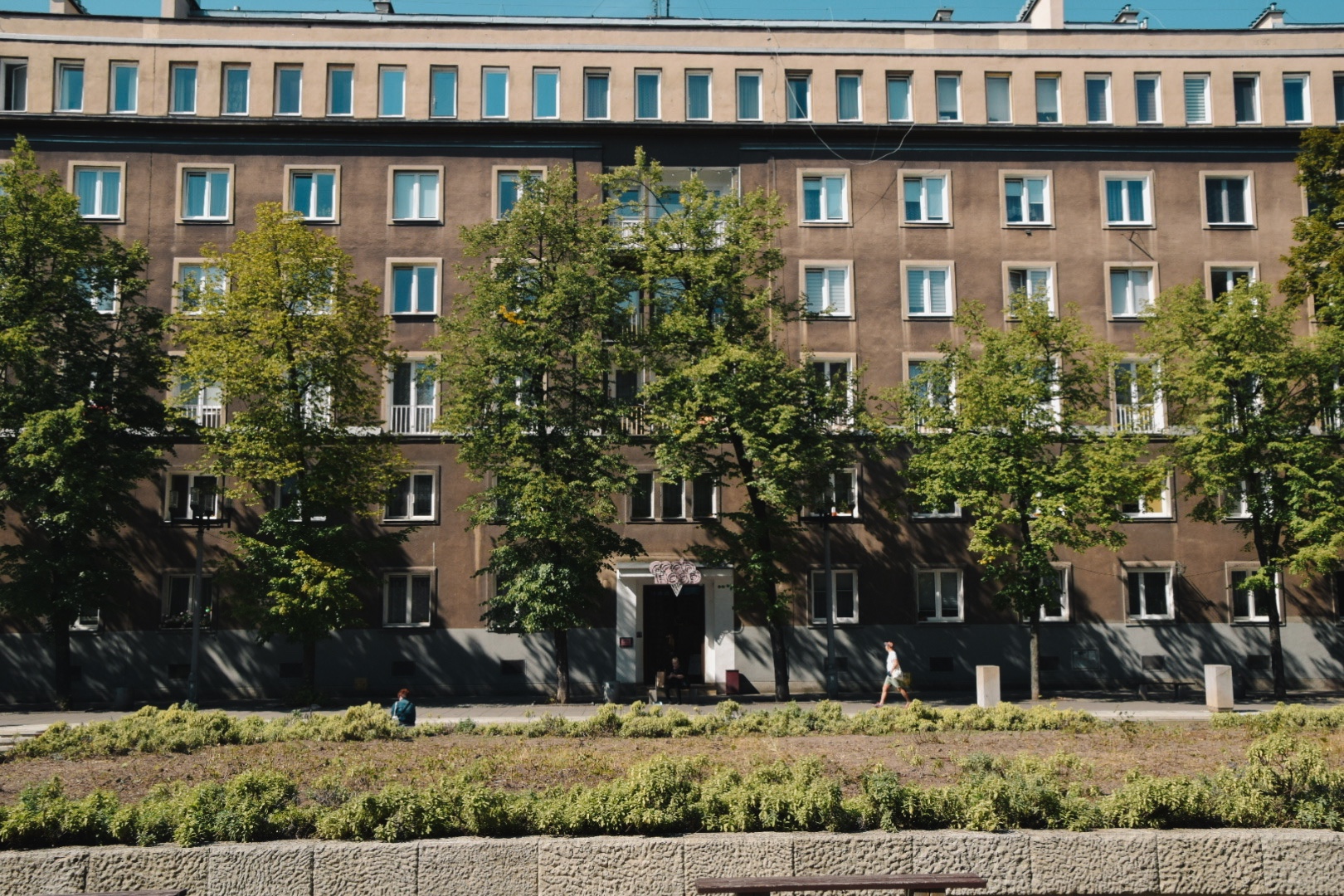
Some highlights included:

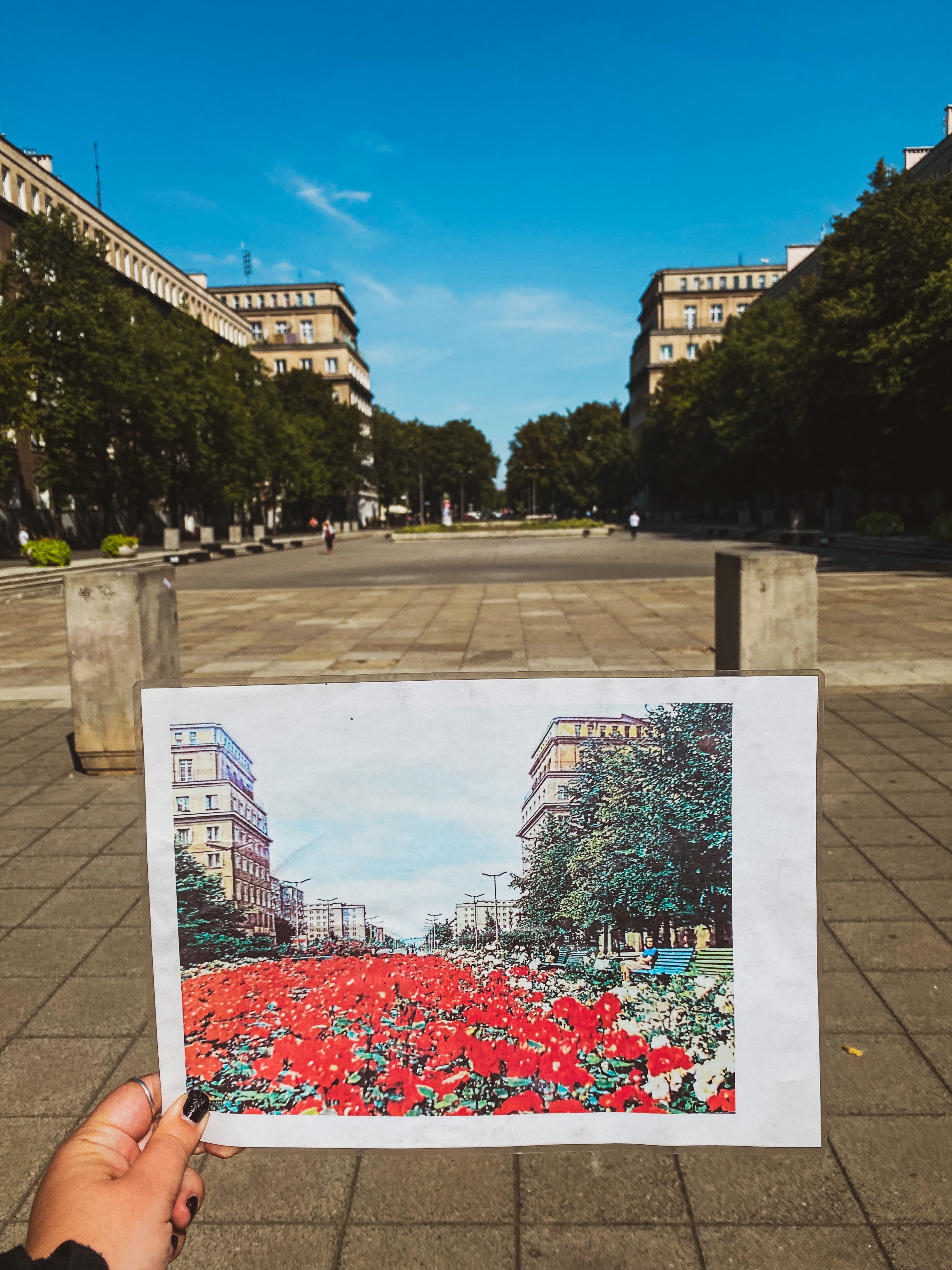
The Aleja róż, or Avenue of Roses, is just off the Central Square of Nowa Huta. The promenade, with its hundreds of roses, became a leisure spot for the locals of the proposed proletariat paradise. Unsurprisingly, it became the home of a giant monument to Vladimir Lenin in 1973. Also unsurprisingly, not everyone was happy with the monument. 1979 witnessed a failed attempt at blowing old Vladimir up. Although the powerful explosion had all the windows in the area knocked out, the revolutionary only lost a heel. The monument to Lenin was finally removed in 1989 after Poland’s free elections. Two years later, it was sold to a Swedish millionaire, and now it can be admired(?) in a theme park near Stockholm. While Vlad will almost certainly not make any kind of official return to Nowa Huta, I was pleased to learn that the city is working towards replanting the roses.
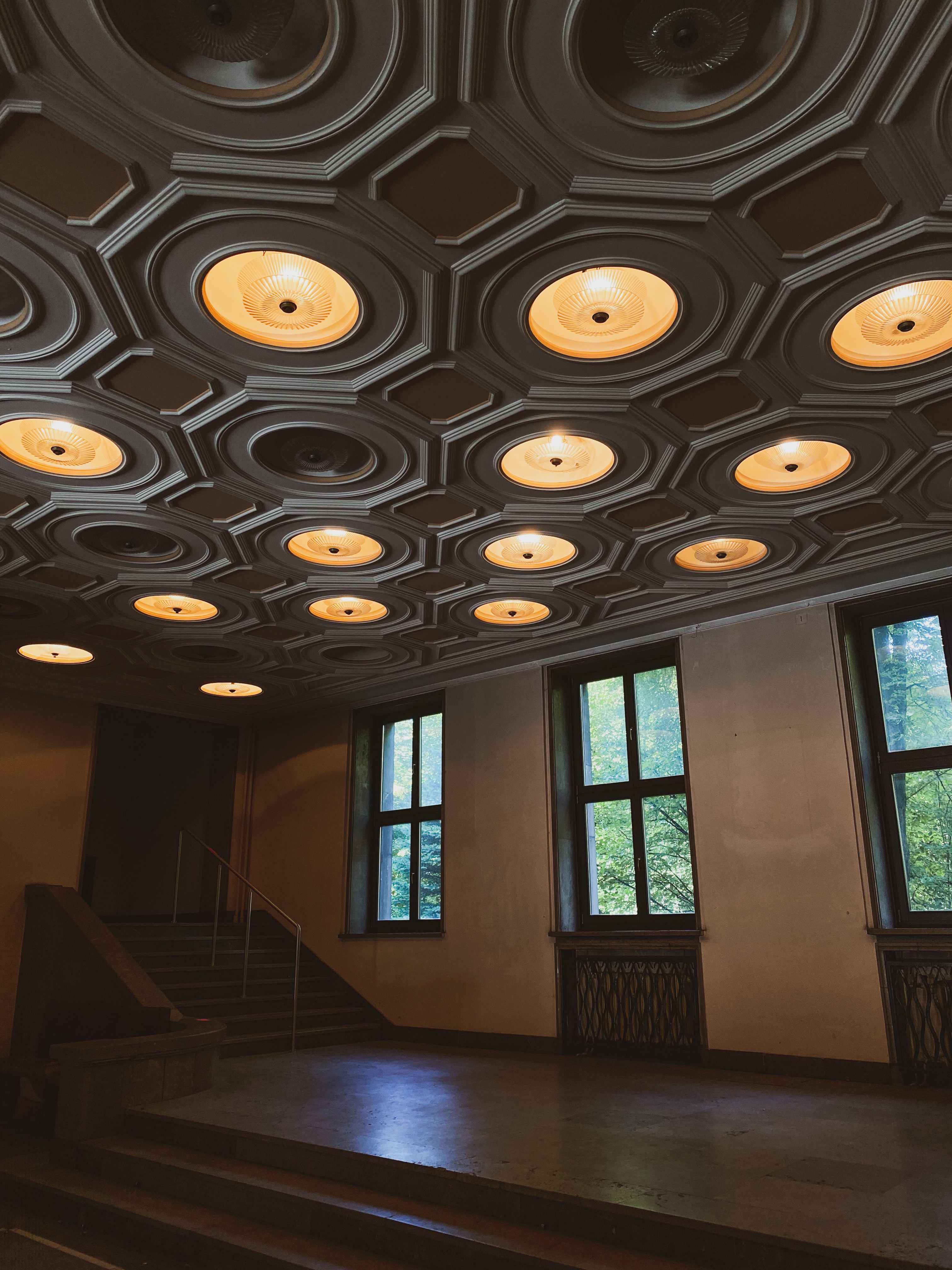
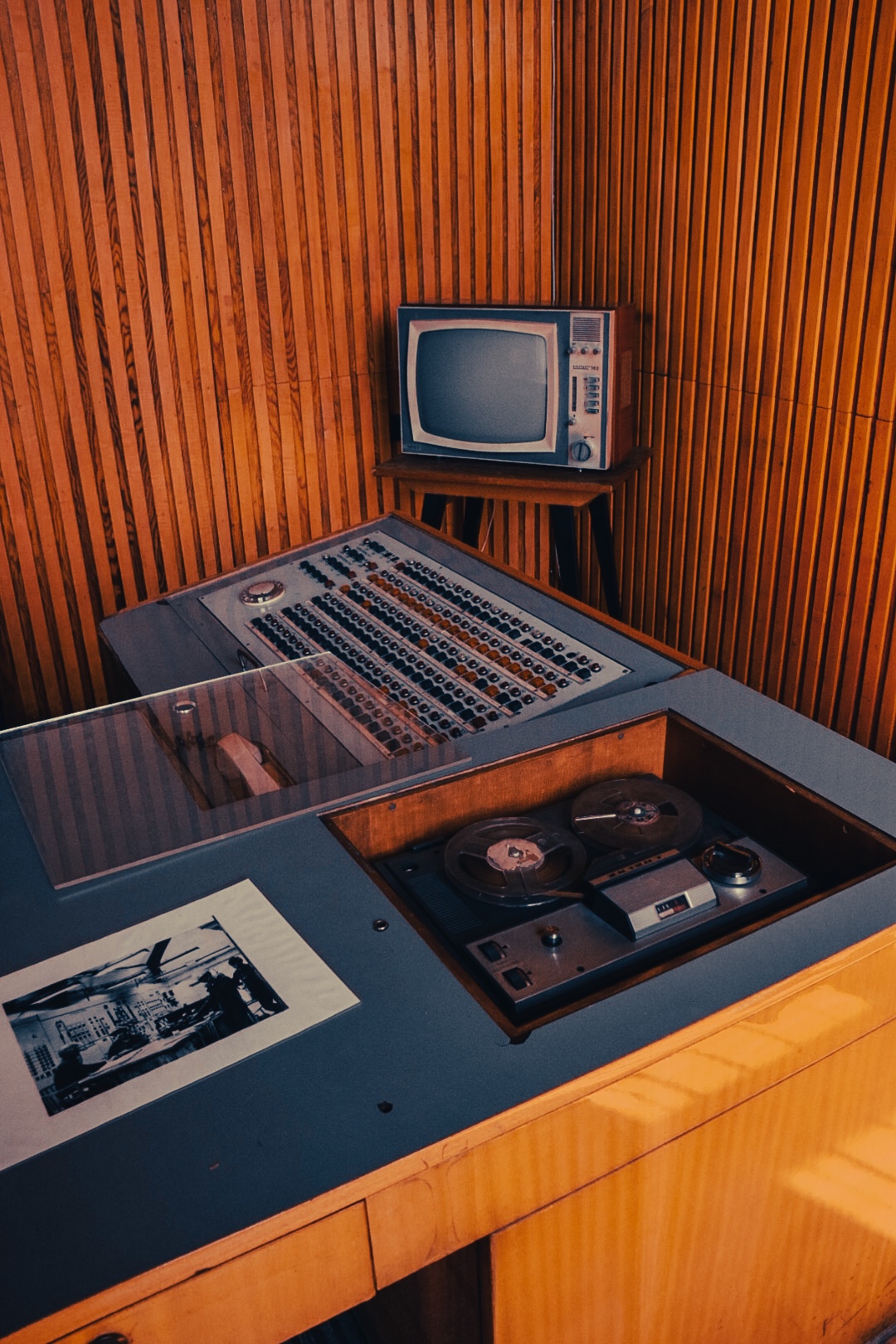
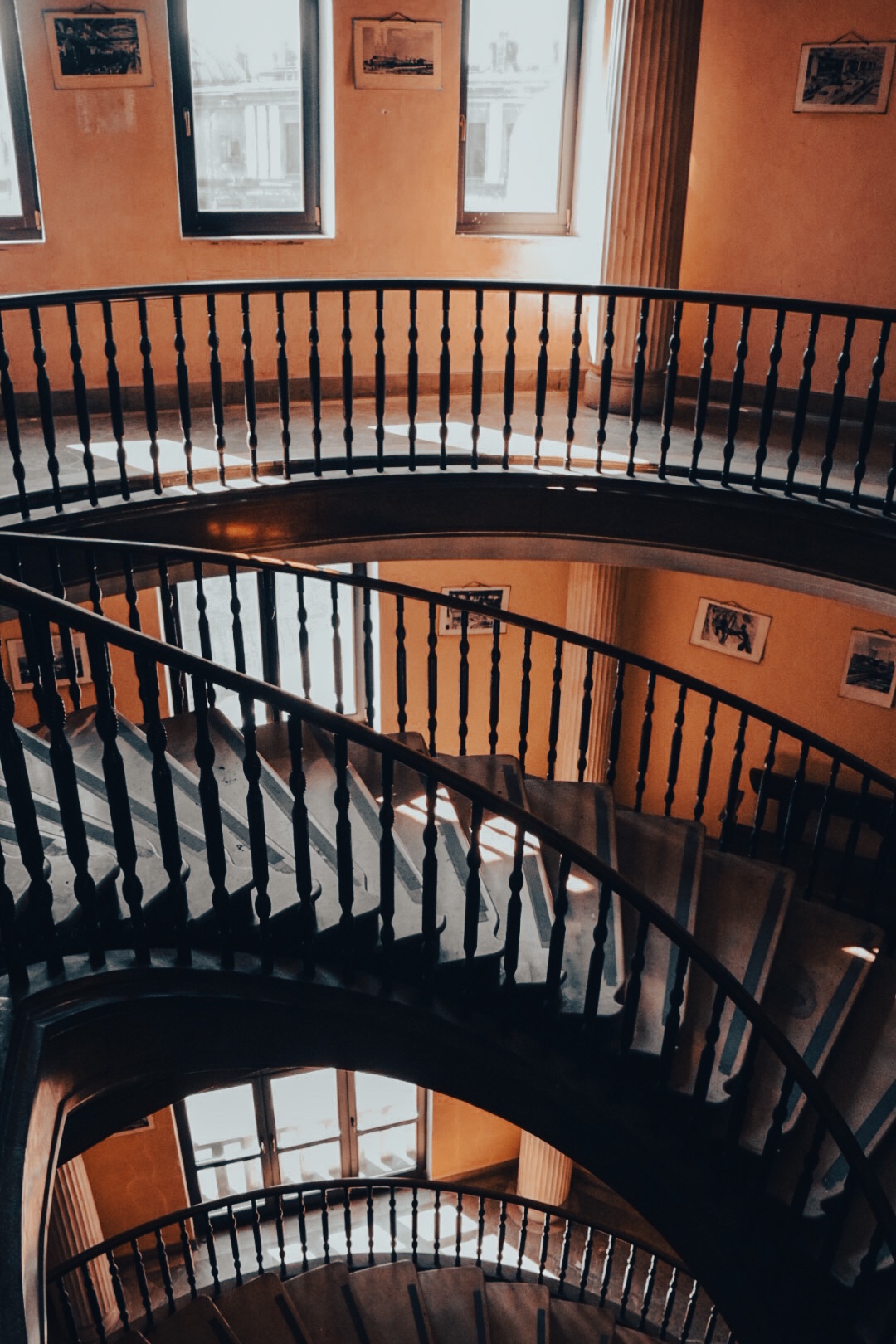
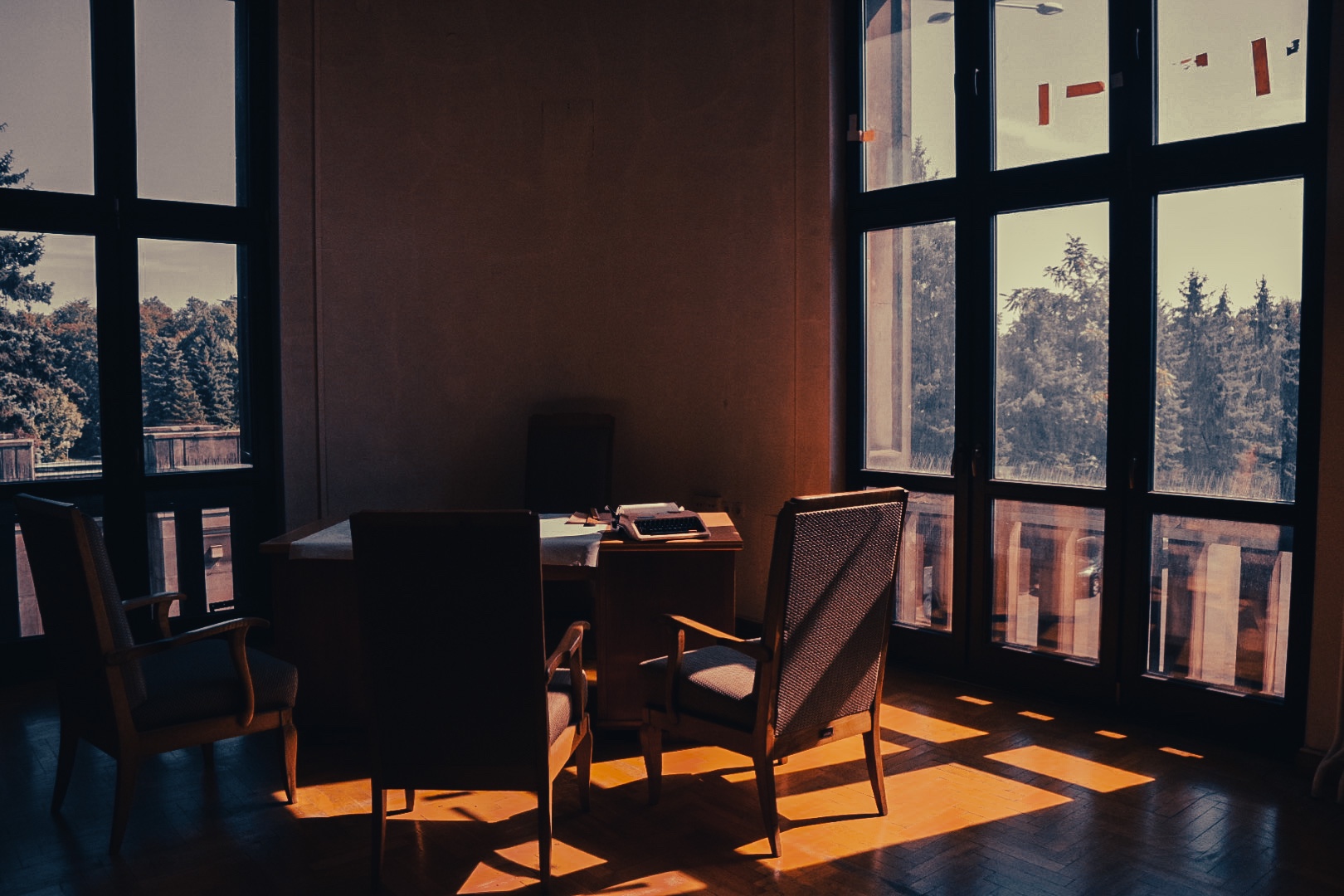
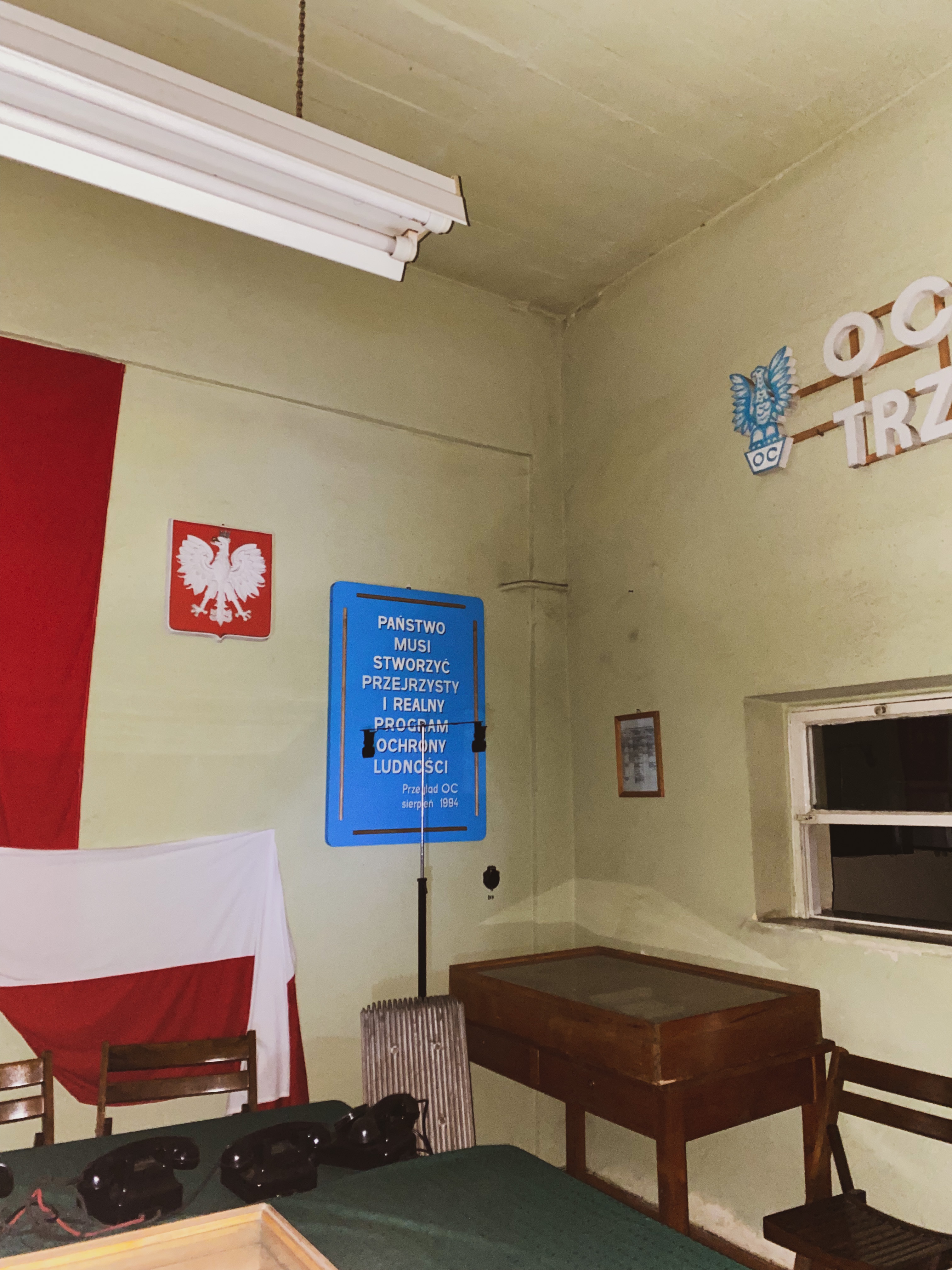
The main gates of Nowa Huta steelworks and the grand entrance to the Kombinat office buildings, together with the famous sign “Huta im. T. Sendzimira” (meaning “T. Sendzimir’s Steelworks”) which was altered after the fall of communism. Mateusz took me through some of the older administrative buildings and the fallout shelter– an experience made even more eerie due to the fact that lights in the underground shelter weren’t functioning, so we explored by flashlight.

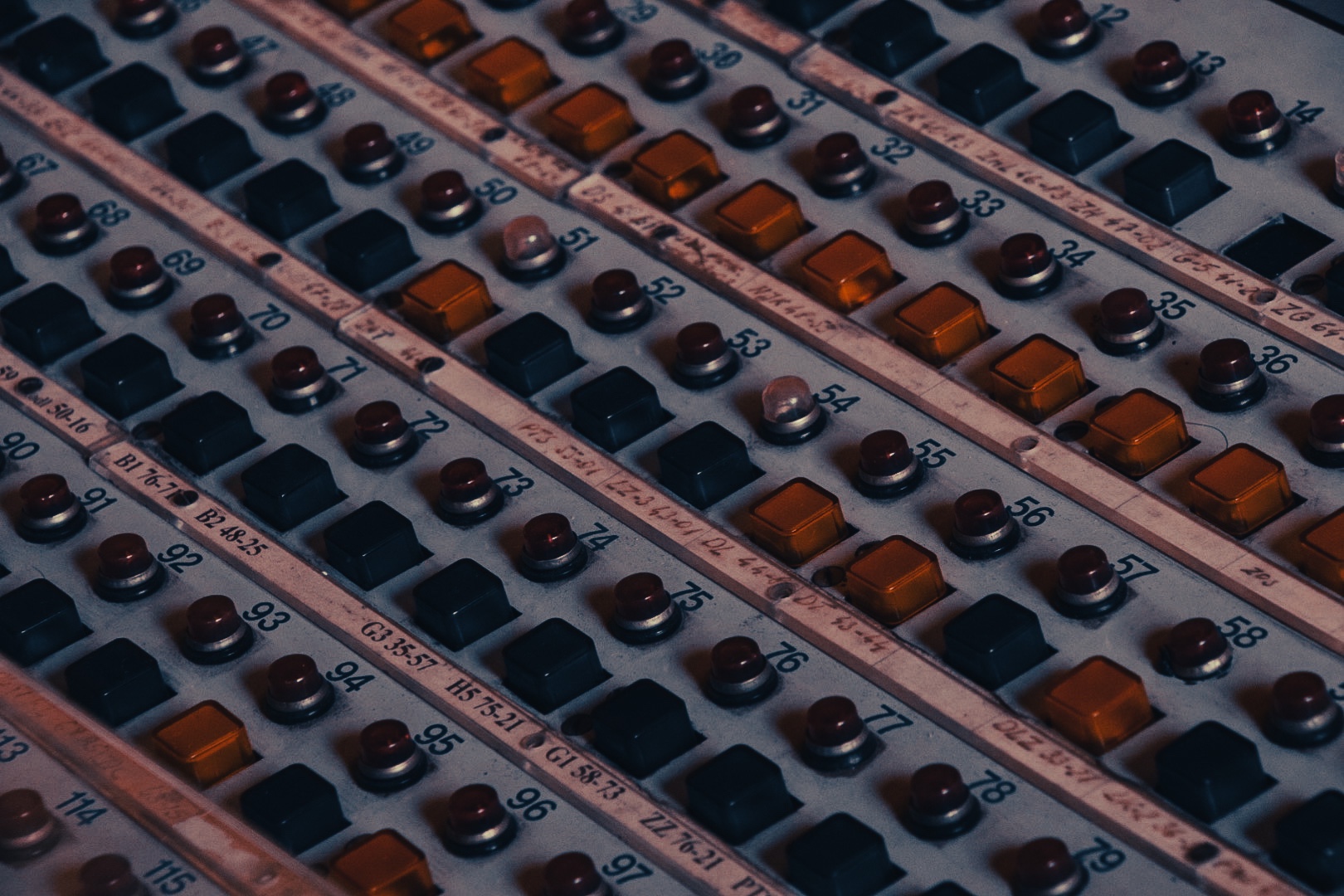
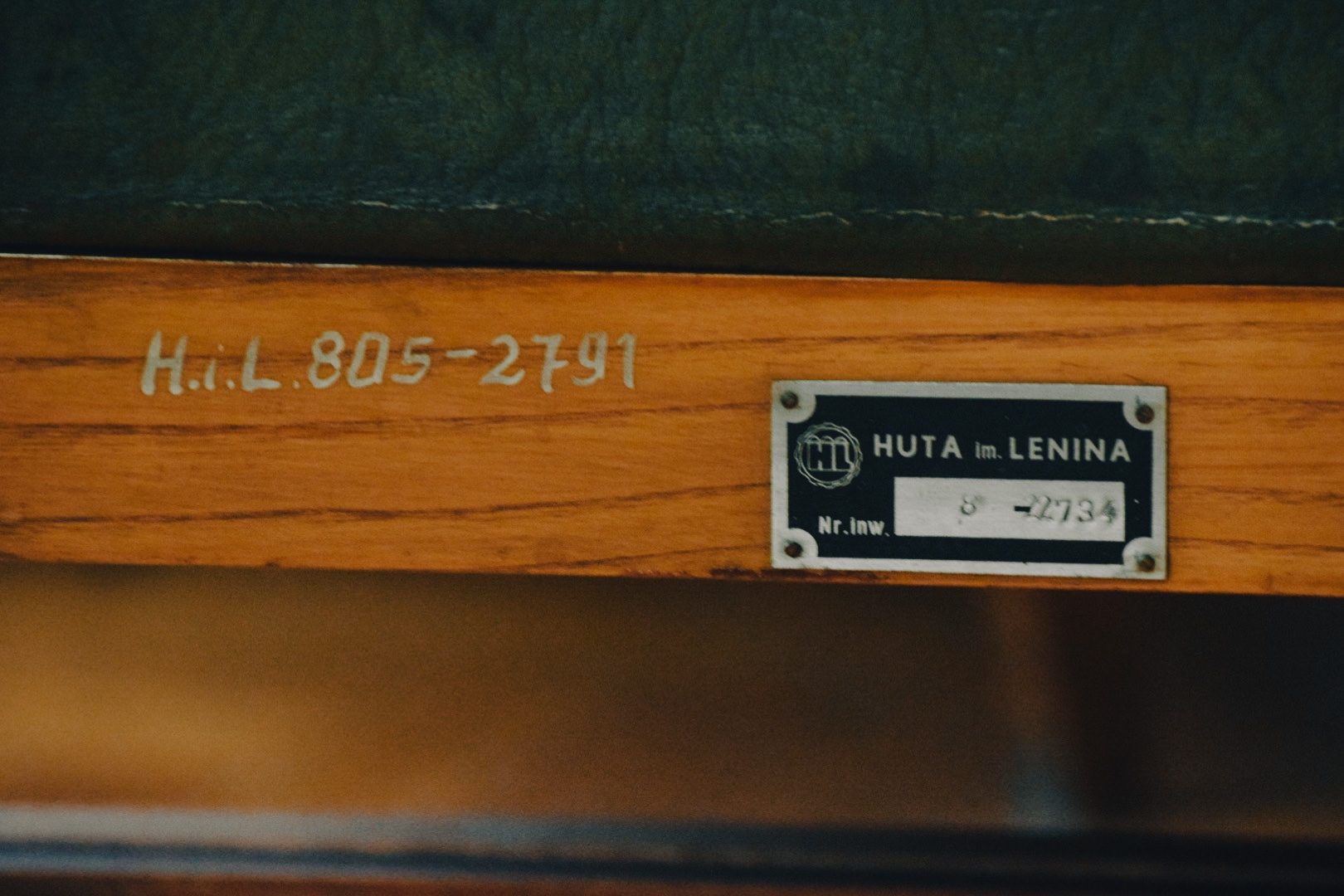
Admittedly, at face value, you may wonder what could be so exciting seeing administrative offices, some old paperwork or hearing recorded conversations of some of the guards from the factory- but as someone who leans heavy into nostalgia, it felt like walking through a movie set. Most of the rooms and halls are preserved perfectly and haven’t changed drastically since the 1950s, giving its visitors a time capsule they can walk through.

Riding in the Fiat 126p— The Fiat 126p is a (dare I say) cute little car, produced under a licensed agreement between Poland and Italian company Fiat. In the ’70s Poland was under the socialistic leadership of Edward Gierek, who was in search of a car that would suit the needs of the masses and motorize the country. The little Italian Fiat 126 was chosen as a model, the successor to the 500 (Cinquecento) and assembly of the Polish version began in July of 1973.

Also called a Maluch (Polish for “little one), despite its ridiculous small size, it was supposed to be used as a family car and could fit up to 4 people. The Maluch gained a lot of popularity in Poland, because was the only available and affordable choice for regular working families. While iconic, these are definitely not zooming around the roadways of Poland like they used to- it’s not that common anymore. Car collectors and auto enthusiasts (and apparently Tom Hanks) predominantly celebrate the car and often showcase them at festivals around the country. Although no longer quite practical, this nostalgic, adorable auto has earned its place in the hearts of many Polish generations.

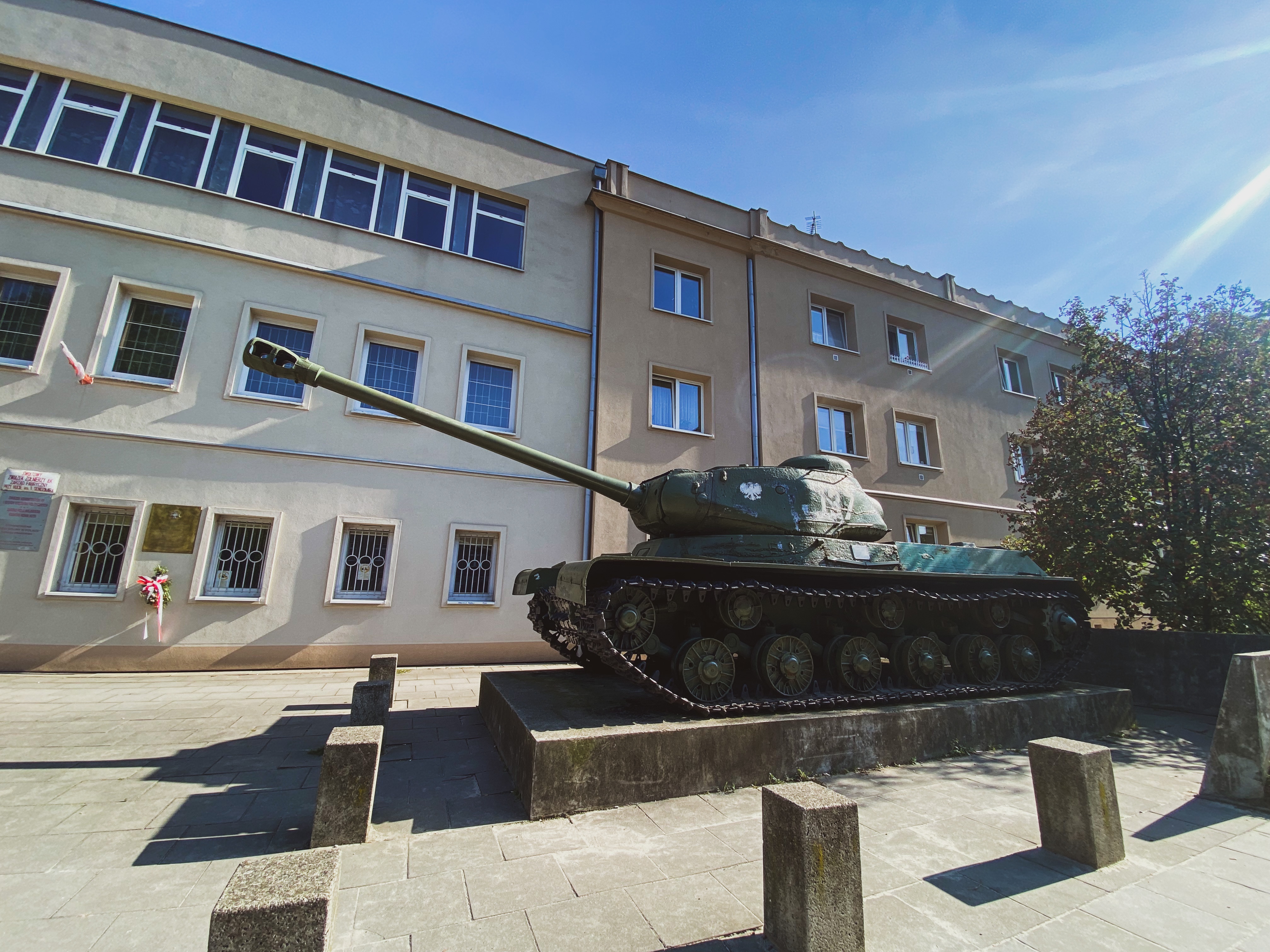
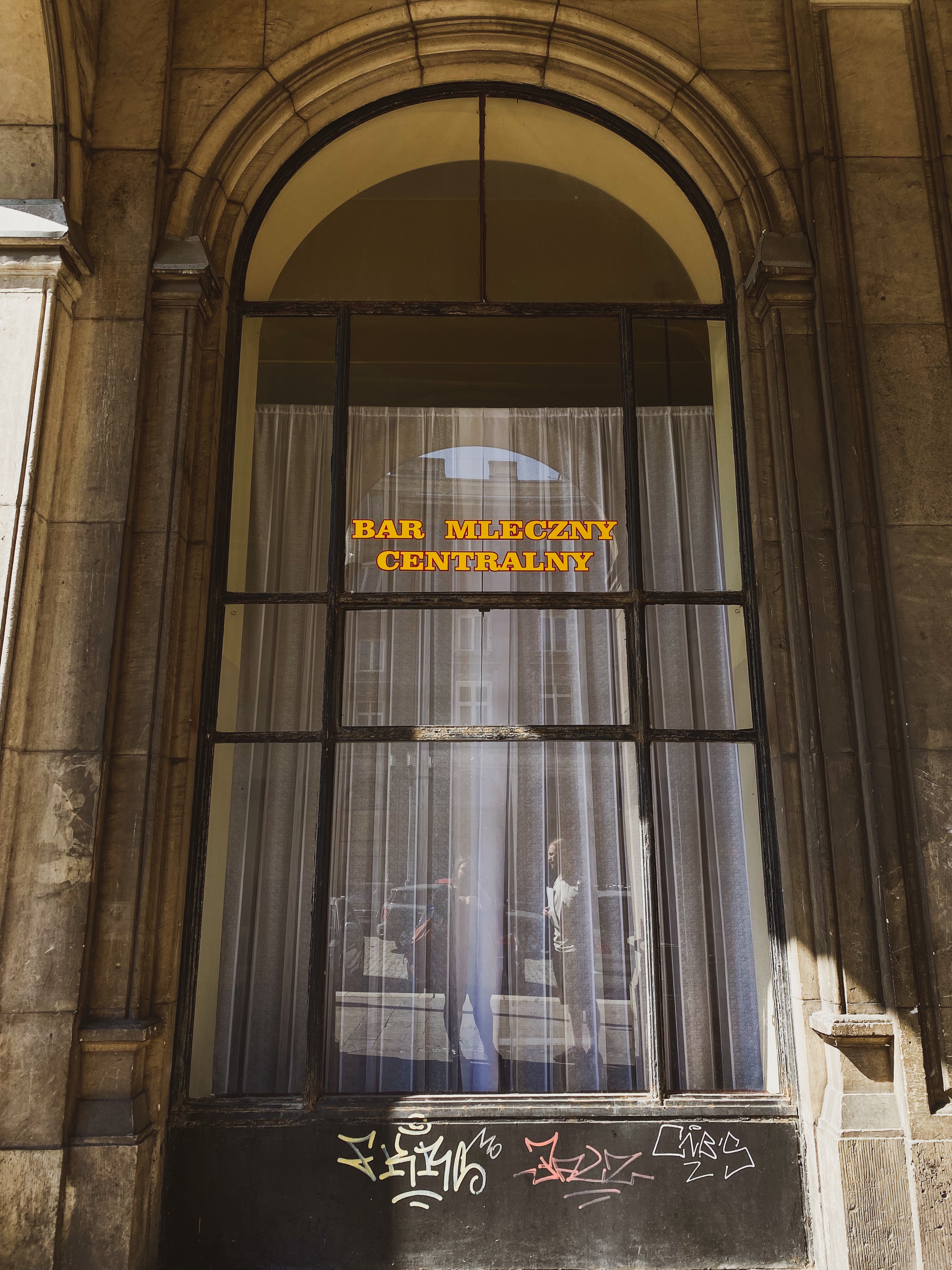
We grabbed lunch at a very popular bar mleczny (milk bar) and of course, no tour of Communist-era Europe would be complete without a photo-op with an original WWII military tank that saw battles on the Eastern front. We ended the day at St. Mary’s Church of the Lord’s Arc – the first church built in Nowa Huta after an arduous campaign by the locals, as the original communist town had no churches at all. It later became a symbol and rebellion base against the socialist regime.
Thanks to my Polish roots/stories from my family, the day became a quirky and real conversation of what life looked like for Poles after the war when they fell behind the Iron Curtain and what we both thought of Polish society today as a result of this particular history. If you’re even remotely curious about the PRL-era or doing something a little different during a stay in Kraków, I can’t recommend it enough!

For more information about the prices and types of tours, be sure to check out the Nowa Huta Tour website.

Kraków for First-Timers

Kraków (sometimes referred to or written as Cracow) is one of the most beautiful cities in Poland. Unlike Warszawa, it wasn’t destroyed during WWII, so it’s preserved much of early Polish culture. You could easily spend a week here and still not discover everything it has hidden in its charming Old Town or surrounding neighborhoods.

It’s such a lively city, filled with young artists, along with old Polish babcias, priests and nuns. You’ll find the familiar (if not than definitely soon-to-be familiar) face of St. John Paul II, Kraków’s most famous son. You might meet a dragon along the way to the castle. You might share a beer with some university students while belting out some karaoke being backed by a live band (I’ve done this before and it’s awesome) or a quiet moment along the Wisła.

If you have limited time in one of my favorite cities, have no fear, your (hopefully) favorite millennial babushka is here. I will be the first to admit, I’ll be a bit biased when it comes to this city, but I honestly think you can’t go wrong in Kraków, especially if you love history, art, and aren’t afraid of a little (or a lot) of beer. 

So, enjoy, moi drodzy!

Stare Miasto (Old Town)

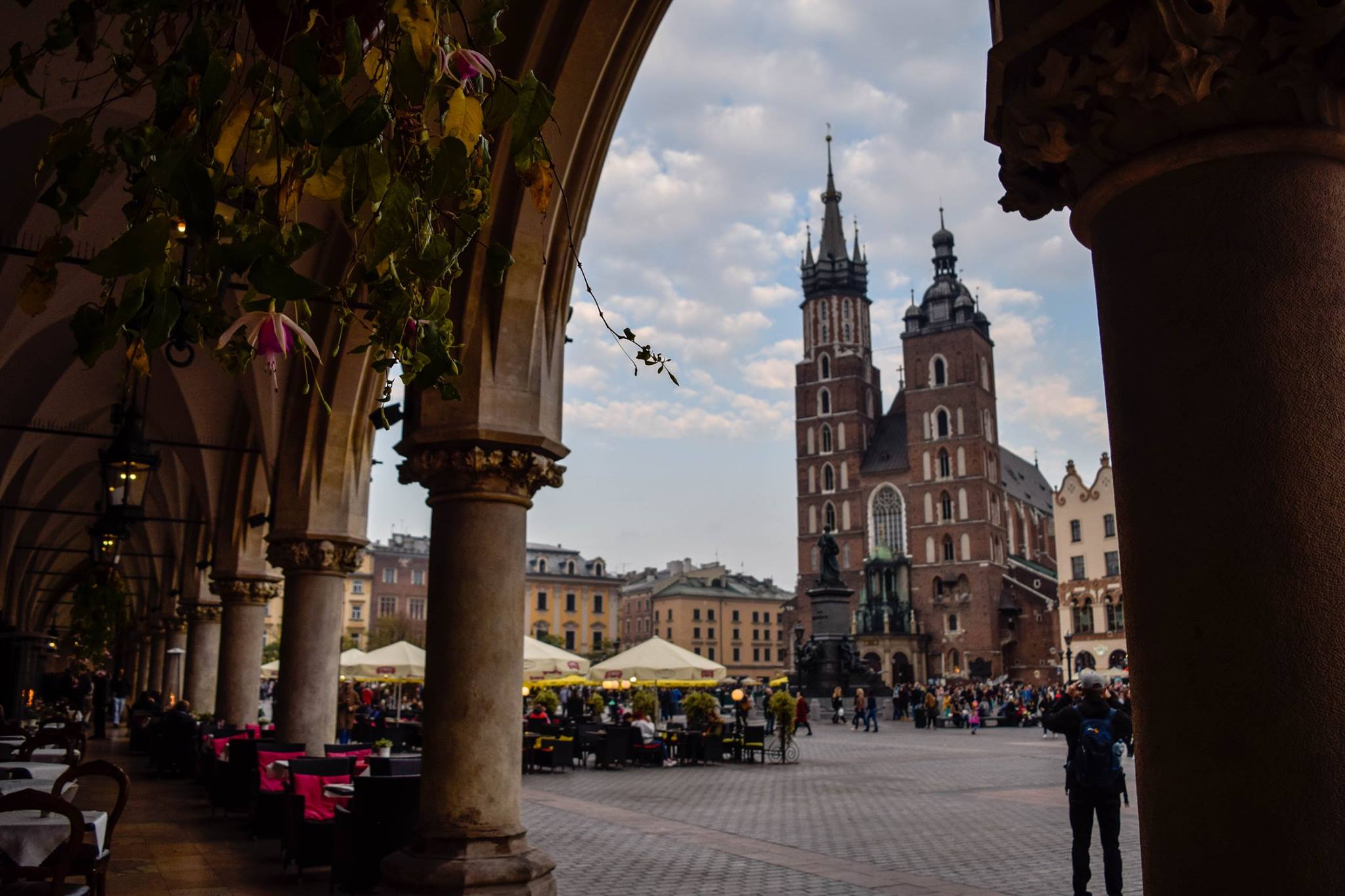
A view of St. Mary's Basilica from the Sukiennice Cloth Hall. Fall 2017.

As every charming old European city, the Stare Miasto is a must. Yes, there’s definitely a higher concentration of tourist traps in terms of restaurants and souvenir shops, but that should not deter you from wandering the quaint and colorful streets. One of the best things about Kraków’s Old Town is that it is extremely walkable and has most of the “must-see” cultural sites, meaning you can either have a more relaxing day, stretching your visits of the sites throughout with breaks for some tasty treats or drinks, or hit them up in quick succession pretty efficiently if you’re in a time crunch.

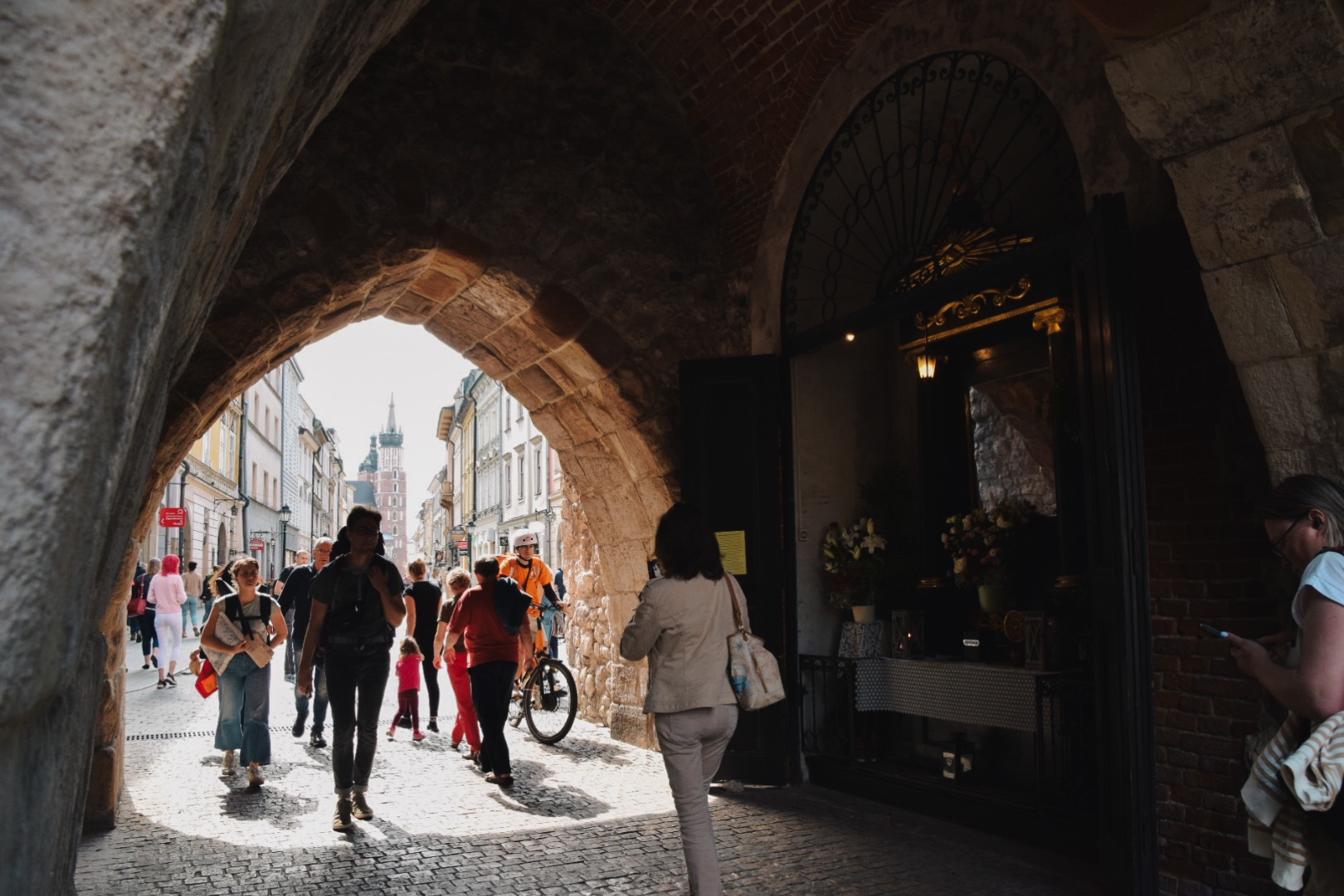
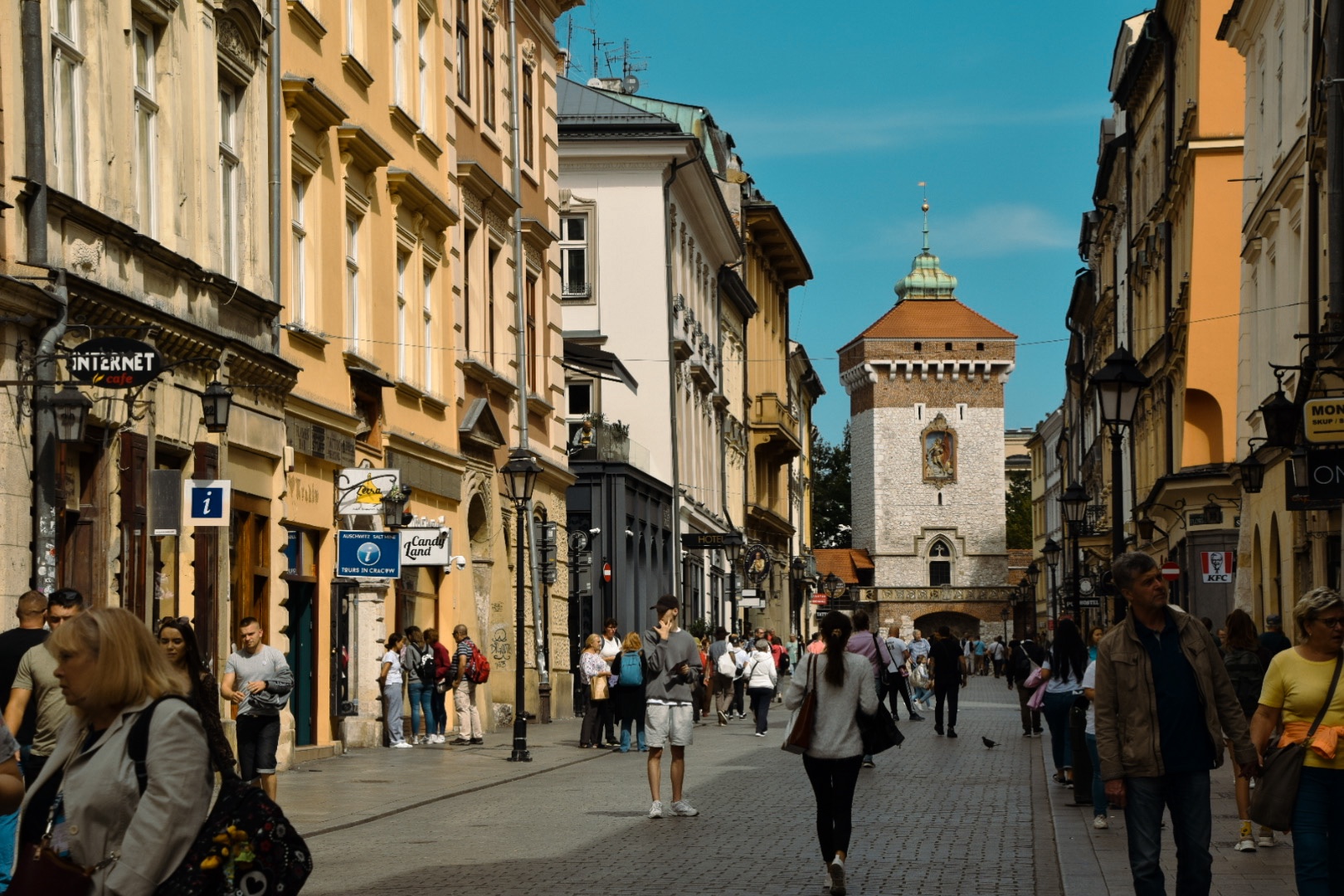
  • Szlak Królewski and Brama Florianska (The Royal Route and St. Florian’s Gate): Brama Florianska welcomes tourists and locals alike to the city’s picturesque Old Town. Marking the beginning of the Royal Road to the Wawel, it is the same gate that welcomed kings, queens and princes, foreign envoys and distinguished guests, parades and coronation processions centuries ago.
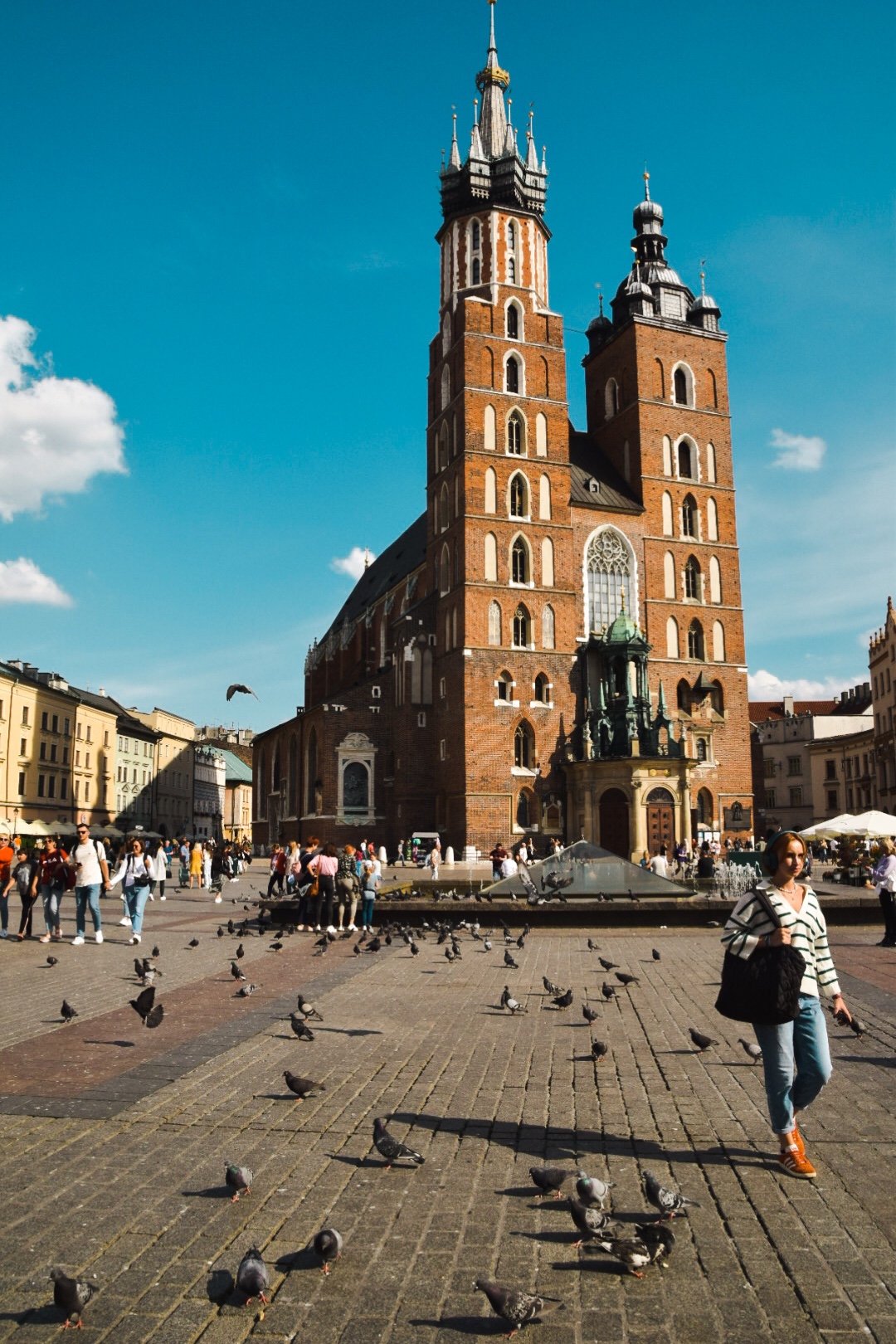
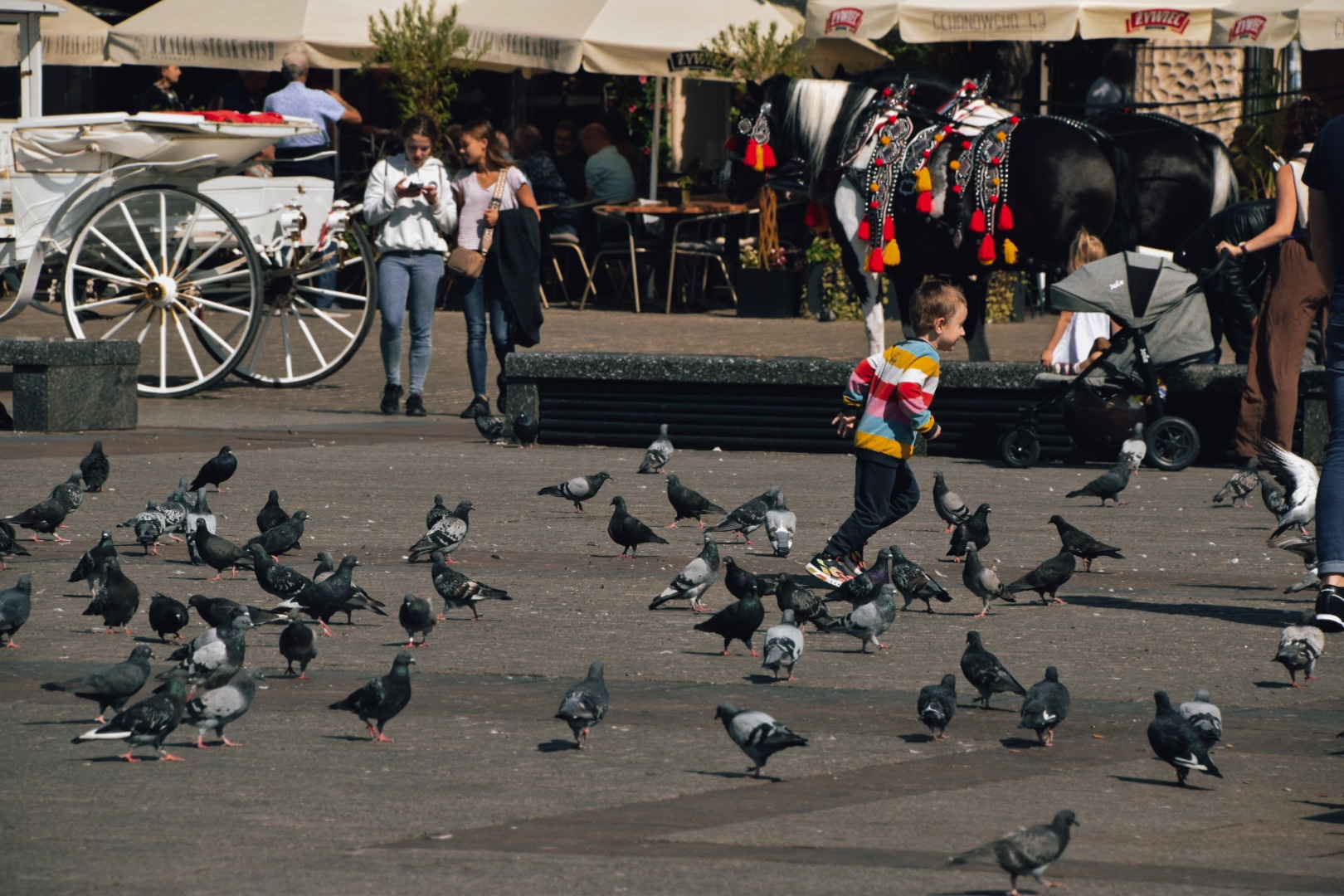
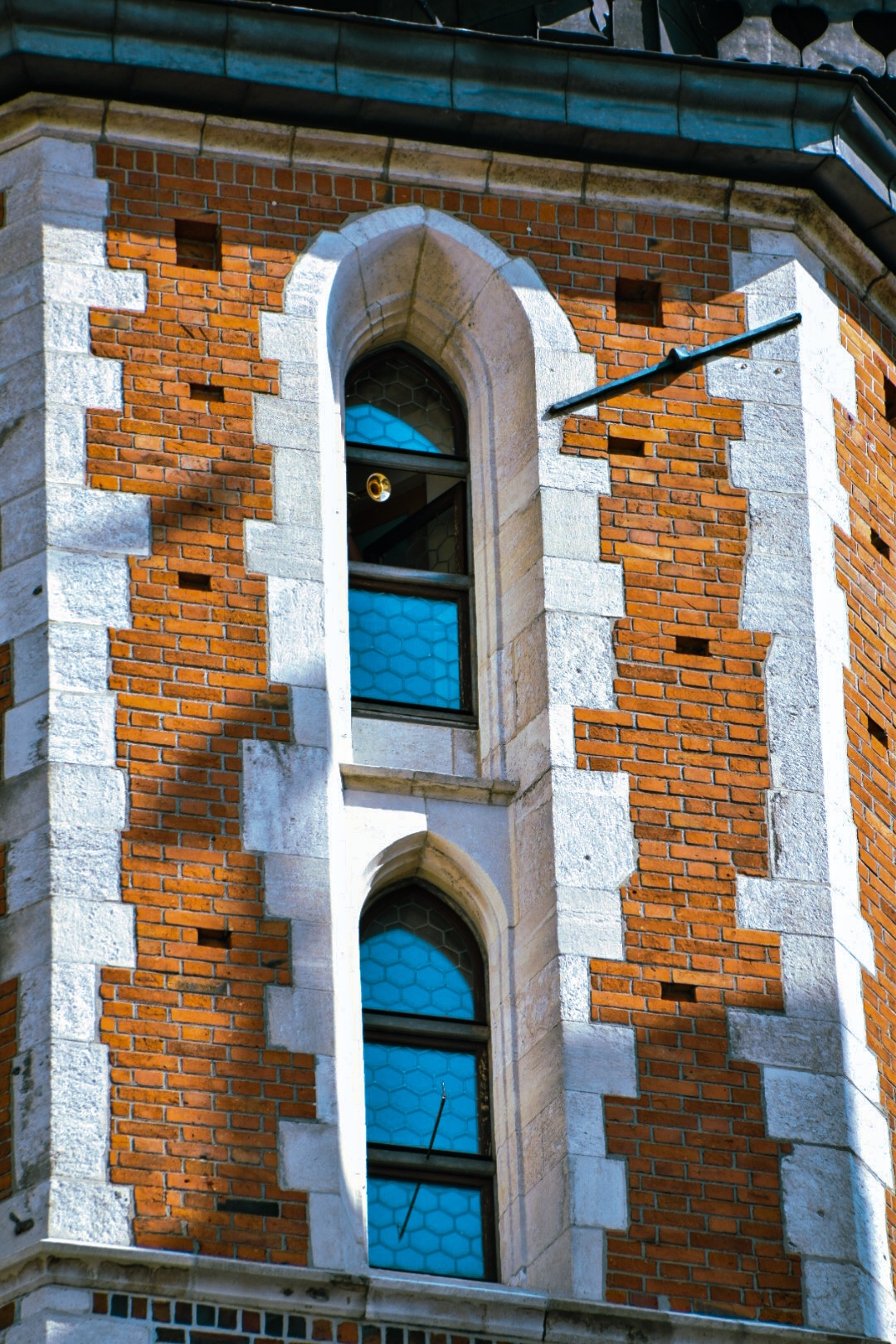
  • Rynek Główny (Main Square): As the heart of the city, the Rynek is the largest medieval square in all of Europe. I find it absolutely beautiful in the summer, filled with tourists on walking tours (definitely fit one in for your first trip- it sets you up for success on navigating around the city!), horse carriages, street musicians, locals enjoying some obwarzanki, drinks, or ice cream, and pigeons galore. In the spring and winter months, you’ll find the seasons’ respective Easter and Christmas markets often with stands selling artisanal crafts and fresh street food. Stick around during the hour mark to hear the bell’s toll and the famous Kraków trumpeteer play the “hejnał krakowski” from the bazylika.
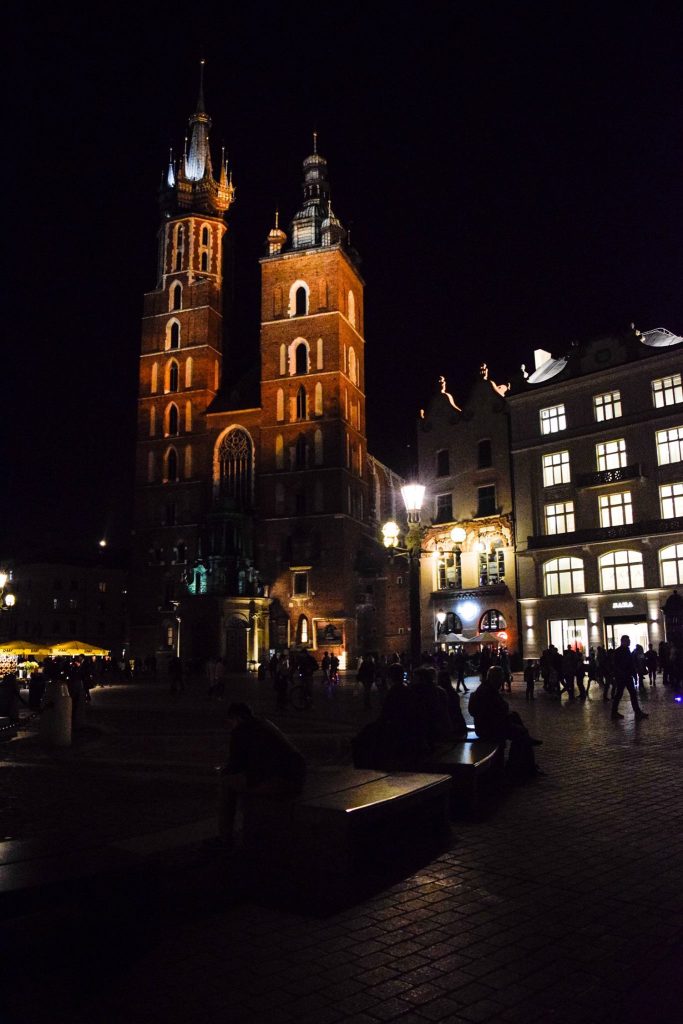
  • Kościół Mariacki (St. Mary’s Basilica): Speaking of the basilica, even if you are not Catholic/religious, I would argue it’s worth a look in. The 14th-century, gothic church is the gem of the main square with its stain glass windows and gilded interiors. This UNESCO World Heritage site is particularly famous for its wooden altar made by Wit Stwosz and murals painted by leading historical painter, Jan Matejko. The blue ceilings were especially striking the first time I saw them, reminding me of the blue that Catholics may associate with Jesus’ mother, Mary. If you’re ever in the mood for some contemplation, I’d recommend stopping in- you may be lucky and catch one of the local or visiting choirs singing.
  • Sukiennice (the Cloth Hall): It used to be the mecca of all trade in Kraków, and even Poland. It’s very touristy now, but it shouldn’t take you more than half an hour to walk by each stall, see what they’re selling and perhaps barter for a better price (probably won’t work though). In general, Sukiennice would be a good spot to grab some souvenirs, but admittedly they’re basically the same price as everything on Florianska Street.
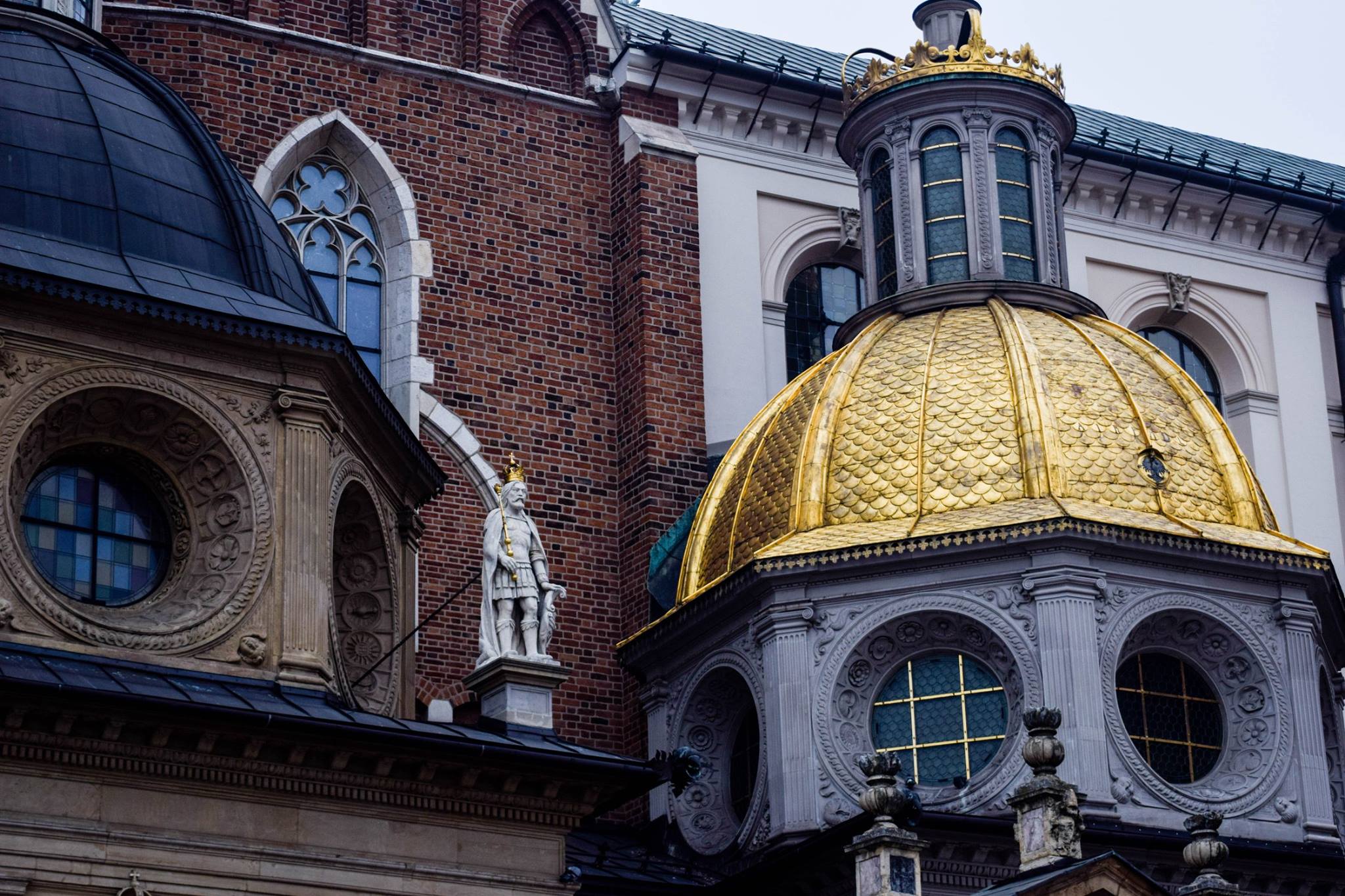
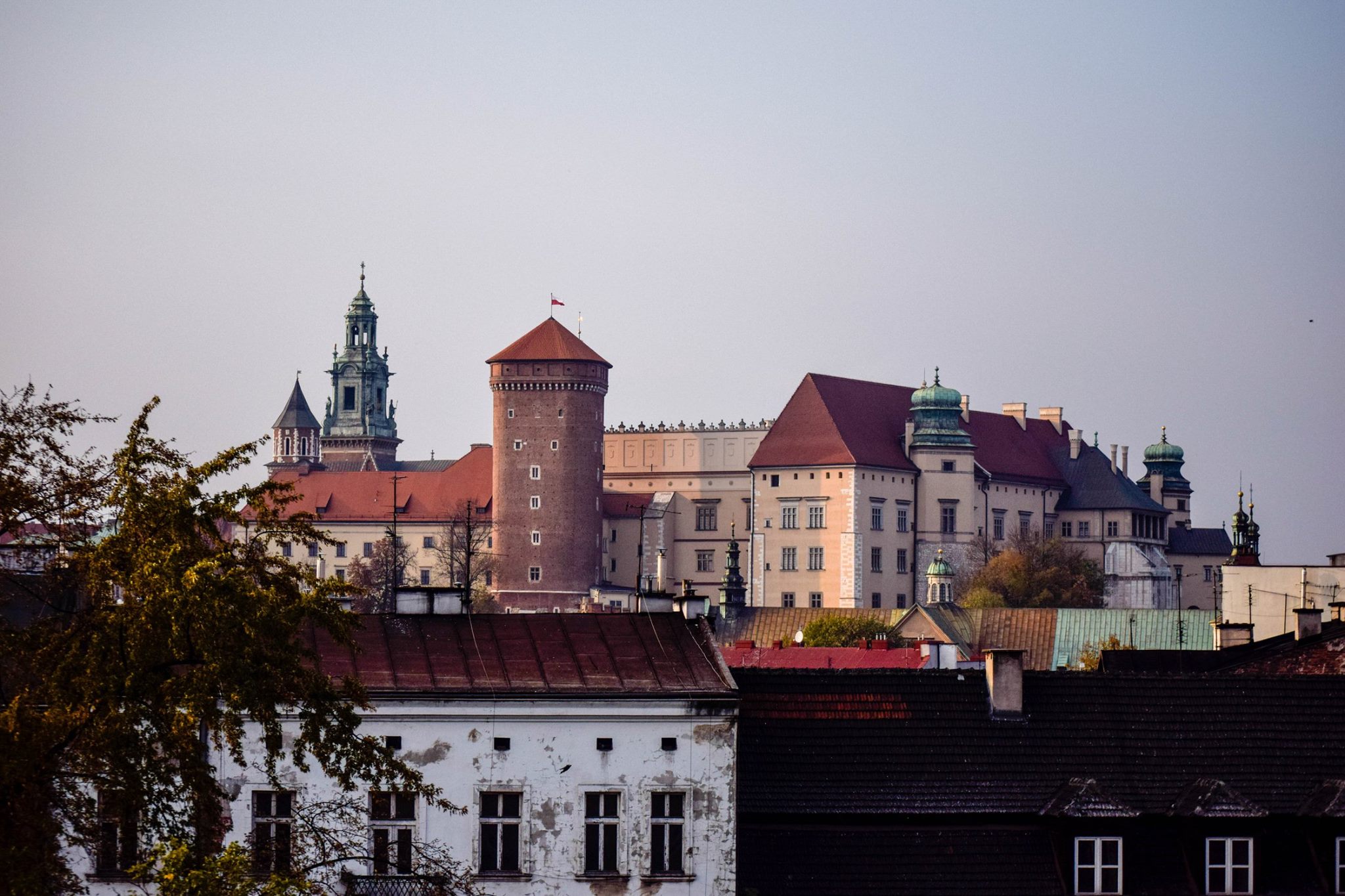
  • Zamek Wawelski (Wawel Castle): The Wawel Castle is perched on top of a hill bearing the same name immediately south of the Old Town. It is by far the most important collection of buildings in Poland. A symbol of national pride, hope, self-rule and not least of all fierce patriotism, the Wawel is the crown jewel of Kraków’s architectural treasures and required visiting for Poles and foreigners alike.

Kazimierz (The Jewish Quarter)

No visit to Kraków would be complete without a stop in Kazimierz. Once the center of Jewish life in Kraków before being systematically destroyed during the Holocaust, this neighborhood has re-emerged as one of the most exciting districts in Poland. Numerous cozy and atmospheric cafes and trendy restaurants, galleries and antique shops, street art, monuments of Jewish culture, and a dynamic nightlife draw tourists and locals alike with a magnetic force. You owe it to yourself to at least try Kraków’s famous street food, a zapiekanka, from the Okrąglak in Plac Nowy (New Square). It’s an incredibly walkable area, so whether on your own or on a free walking tour, it’s very worth dedicating some time to explore this fantastic neighborhood.

It’s a quick list of the essentials, but this is just the Kraków 101-version of what there is to do and see in this charming city. Stay tuned for future posts involving food recs, day trips, and more!

Wherever You Go, Go with all of your heart

written as a part of the #RamblersAbroad blog. As a recipient of a study abroad scholarship, I was chosen to be one of the student bloggers during my year in Rome. 

Confucius might have been on to something when he said the quote I’m using the title for this blog.. but I’m getting ahead of myself.

You’ve all heard of Milano, right? What do you think when you hear Milan? Many will say glamorous, stylish fashion capital. For anyone who knows anything about Italy, they could start to throw in some geographical knowledge and might add any familiarity regional stereotypes they might have and say that it’s located in northern Italy in the Lombardia region and that the milanese are sometimes known for being arrogant, cold and efficient in the working world.

If you would have asked me what I thought, I would have said all of the above, but if you asked me whether or not I was dying to visit it, I would have said, “eh.” 

_DSC1324
_DSC0760

Now, before you gasp at my indifference, forget Milano for a second. Along the same lines, what do you think when you hear Cusano Mutri? Many might say what or where or is that a type of pasta? Don’t worry about it, though, because I can tell you that even some Italians don’t know about it. 

But what I’m getting at: what do these two places have in common (other than the obvious fact that they’re both in Italy…)?

I had the pleasure of spending a weekend in each of these places the past two weeks. They were as different as night and day.

Cusano Mutri, according to Google, is a commune of the Province of Benevento. It is located in the southern region of Campania and has just a little over 4000 residents. Its biggest party of the year is the Sagra dei Funghi, or mushroom food festival. I, along with 17 other students and two JFRC staff members, traveled down to Cusano for the first weekend of this festival. Needless to say, I was excited, because food festival + mushroom + Italian cuisine = happy Ola.

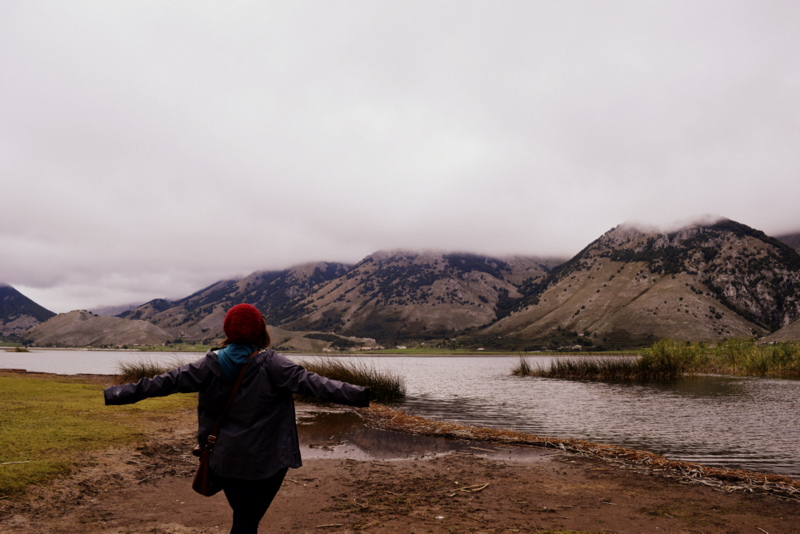
Why did I chose to go on the Cusano study trip? Other than my obvious love for porcini mushrooms and food in general, the trip seemed different than the other study trips that the JFRC offered. They also advertised hiking and beautiful scenery that included mountains and lakes. I’m a city girl, through and through. The closest I come to nature are the forest preserves that surround Chicago and the forests and lakes that surround my family’s hometown in Poland (and even then, that’s for a leisurely stroll and overall relaxation). Hiking? That’s a challenge. Going to a small town where little to no one that speaks English? That’s a challenge too. I wanted to try something new and give Cusano my all; and I’m so glad I did.

_DSC0859

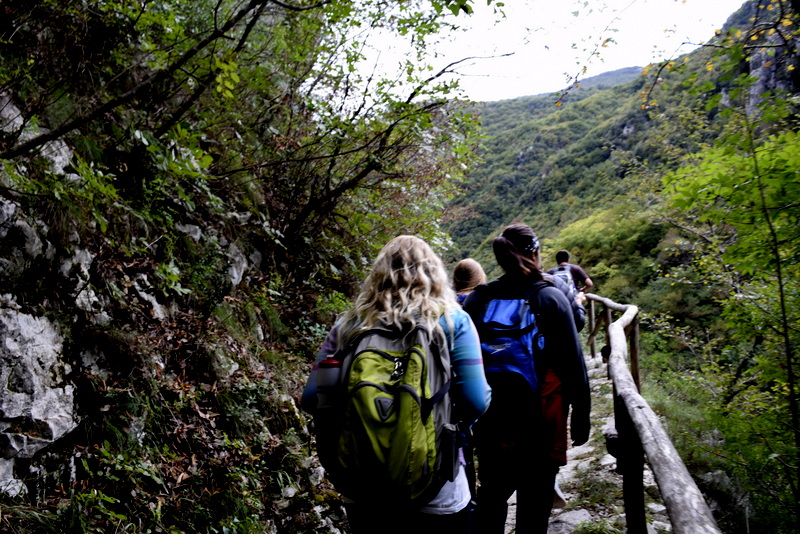
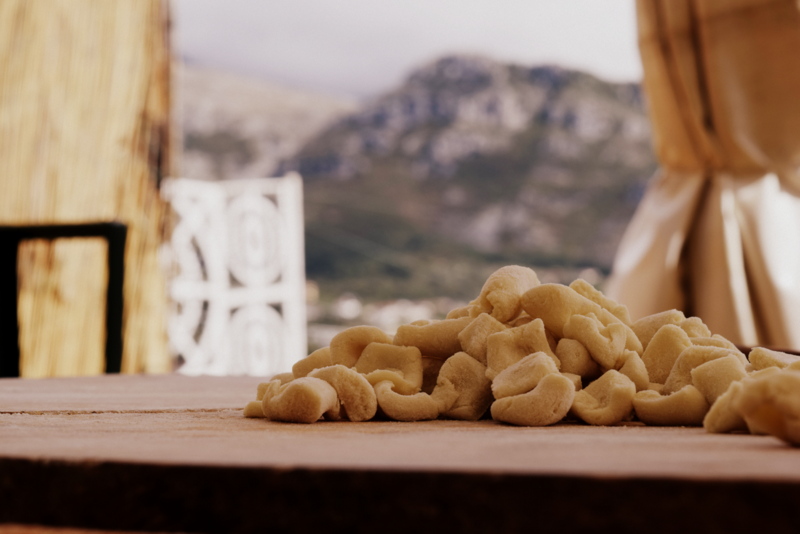
We did indeed hike, along a river and a lake. We learned how to make pasta and gnocchi from one of the head chefs of Lo Suago, the restaurant that was our home base during the sagra. Our SLA Fran gave us a wonderful surprise and we made s’mores under a sky illuminated by the moon and hundreds of stars. My new friend Luis taught me how to dance merengue and salsa as we danced with friendly and welcoming locals in the town’s streets and piazzas. There were spontaneous pickup games of soccer with Romans (also happened to be visiting Cusano), cappuccini and probably the best cornetti con crema I’d ever eaten courtesy of our host, Clementina, and dinosaurs (oh yes, you read correctly- dinosaurs!… okay, it was a museum with some fossils, but one of them WAS a dinosaur fossil).

_DSC0630
_DSC0759
_DSC0721

Truly and genuinely- the trip to Cusano was amazing and I can’t begin to describe how much I loved it. For anyone coming to a future fall semester here at the JFRC; definitely consider going.

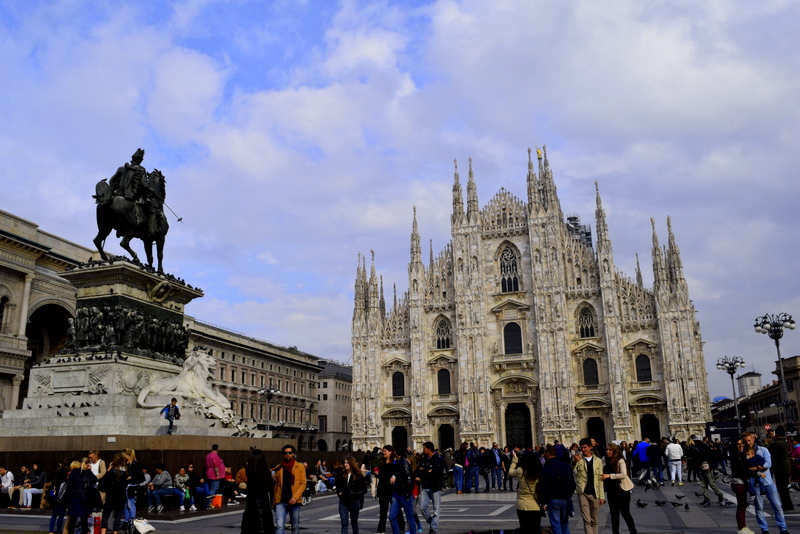
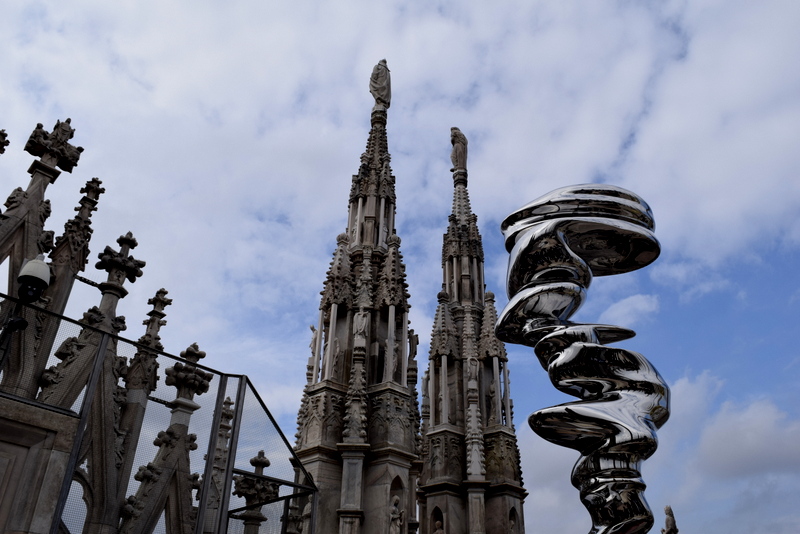
Milano, on the other hand, is world-renowned, in a industrialized region of Italy, with a population of over 1.2 million people- and that’s not counting the thousands of tourists and huge events that bring in thousands more such as Milan Fashion Week and, currently, the Universal Exhibition, or Expo 2015. Now, back to my stunning lack of wow factor regarding Milan. Why wasn’t I as ready to embrace Milano as I was with Cusano?

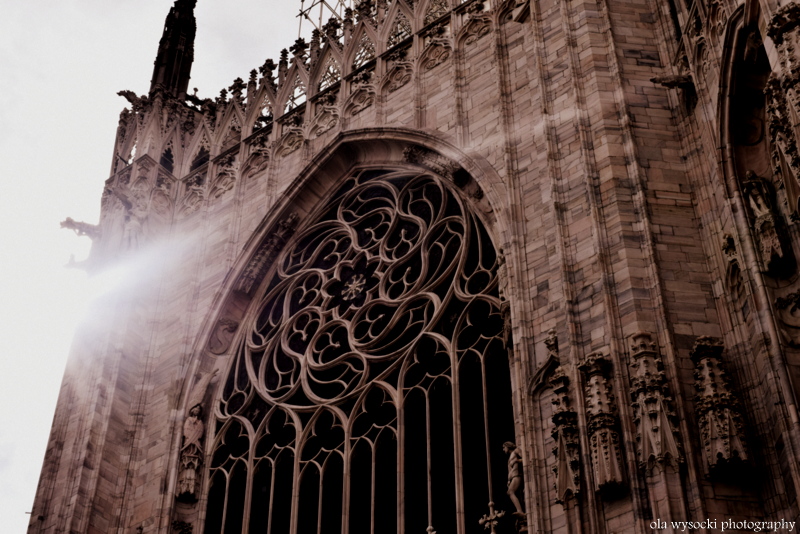
_DSC1246

Perhaps it has to do with the idea that it didn’t fit my concept of Europe. I wanted European cities to be charming, rustic, unlike anything I’d ever seen in America. Or perhaps it was being someone who’s been taught the Italian language and culture for almost six years by people who have been from southern or central Italy. Or maybe it’s because most of my neighbors and friends back in Chicago are from Calabria or Sicily. I’m not saying that they have influenced my views on the north negatively, but I guess you could say I’ve always had an affinity for the south probably because that’s the only experience I’ve had with Italian culture up until this point.

Instead of a study trip, myself and two other friends went to Milan on our own this past weekend. I was pleasantly surprised by how much I loved it; but I didn’t initially. Promptly after landing, I remember thinking how expensive this city was going to be, how gray it seemed, how modern it was. I don’t know what it is about me, but when I think of Europe, I used to never think the word modern. Again though, I blame my previous experiences with Europe and by that, I mean my summers in a small town in Poland where my babcia had a small TV with only three channels (although now she’s really upgraded and has 15!).

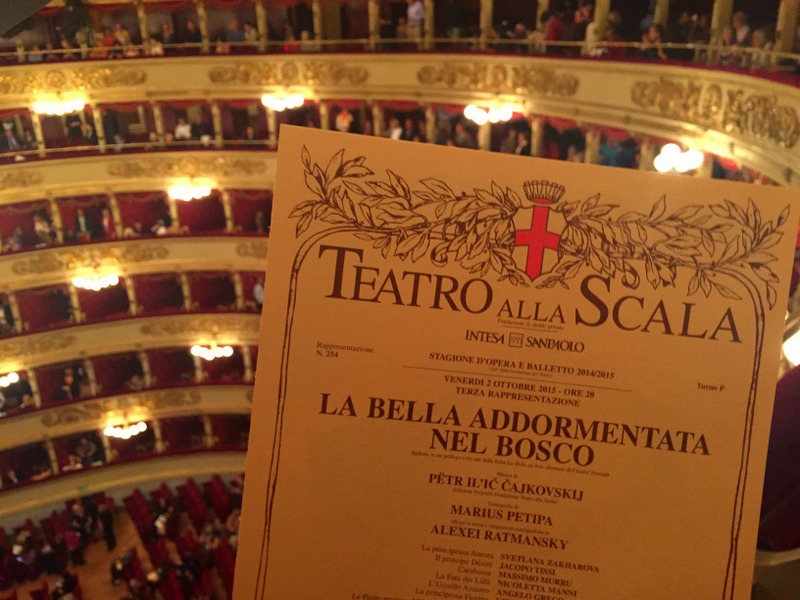
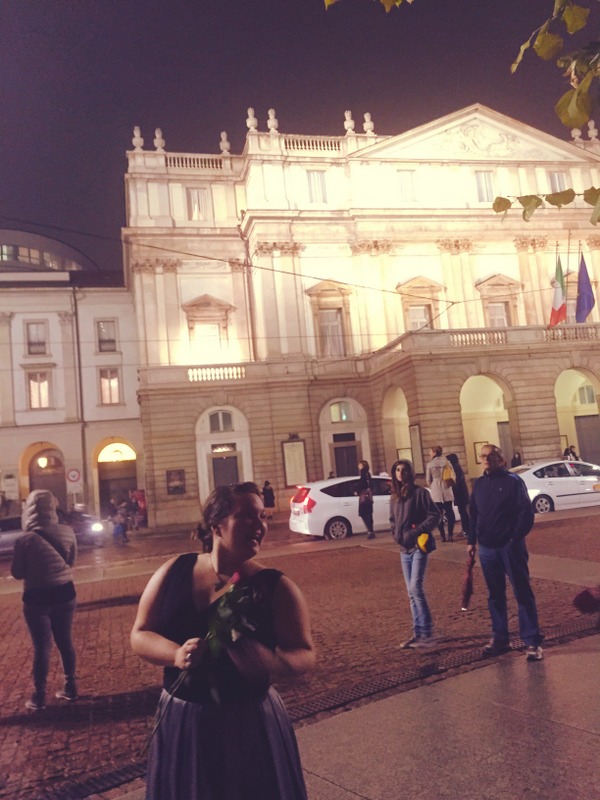
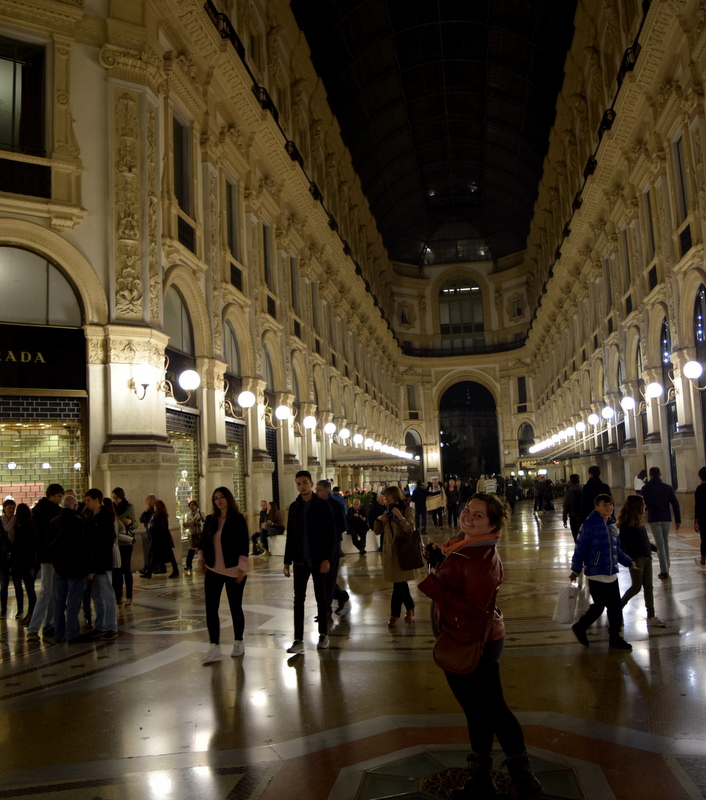
However, after seeing a ballet at Teatro alla Scala for ONLY 11 euro (the story of how we got those tickets is ridiculous, so if anyone’s dying to know, hit me up), eating absolutely delicious panzerotti at Luini’s (what I would do for another one now that I’m back in Roma..), and sipping on sweet drinks during aperitivo in the artsy neighborhood Naviglis: I fell in love with Milano. It’s hard not to. It’s such a cosmopolitan city and there’s just something about it. I often talk about the vibes I get from certain cities. Milano gave me a good feeling and I was mad at myself for not giving the city the same chance I promised I’d give Cusano, so for that, my dear Milano lovers, I humbly apologize.

_DSC1108
IMG_9575-001
IMG_9732
_DSC1460

I wasn’t ready to give Milan a chance and I already had preconceived notions on what I thought the city was going to be like. I only started enjoying the city when I actually let go of those feelings. I had no expectations of Cusano and was open to experience something new. No matter where you end up with life- go with all of your heart. Be open, NOT SOLELY to new experiences, but to rethink old habits and ideas. Isn’t that the whole point of being abroad? Opening up your mind to new ideas lets you  change the way you think and potentially how you view the world. You don’t necessarily have to, but it gives you that option.

I could have easily stuck with my prior ideas of Milano and been unhappy during the trip, but what would have that taught me? And what would have that meant about me? Did I want to be that type of person?

Give every new place a chance- despite what you may have previously heard. You may end up falling in love with it and actually becoming excited at the prospect of one day coming back and learning even more.

_DSC1420

Give every new place a chance; especially if you had no prior knowledge of it. You may end up watching a sunrise from the top of a mountain.

IMG_9317

Give it a chance, give it your all.

Wherever you go, go with all of your heart.